


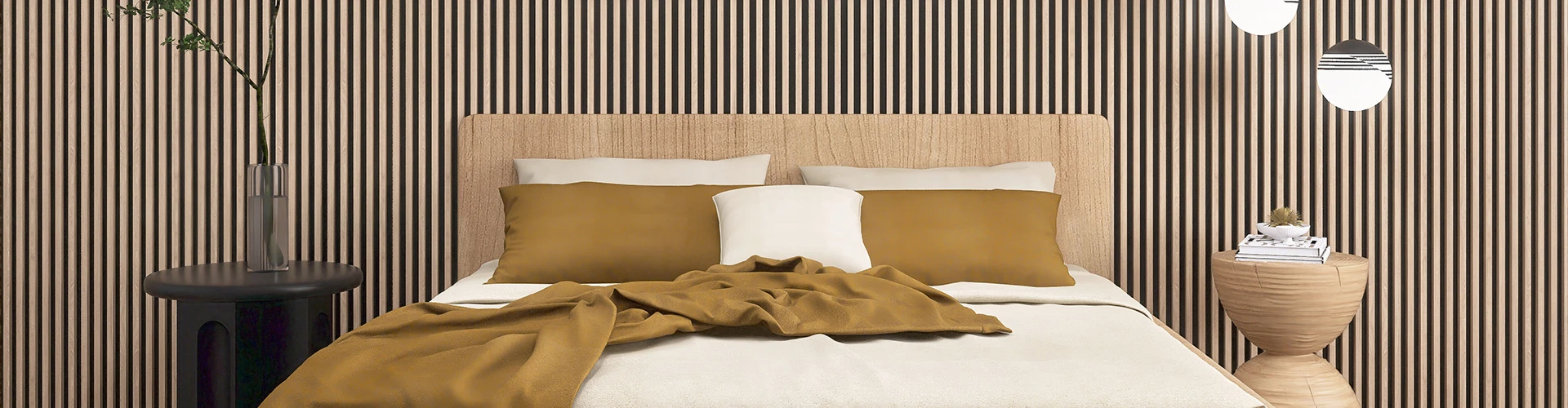
Comprehensive Guide to SPC Composite Flooring | Durable & Sustainable Solutions
Understanding SPC Composite Flooring: A Modern Solution with Global Impact
In an era where sustainable, durable, and cost-effective flooring solutions are more in demand than ever, SPC composite flooring has emerged as a game-changer. From residential homes to commercial spaces and even industrial applications, this technology is quietly changing how we think about flooring worldwide. But why does it matter globally? Well, in the face of urbanization, climate concerns, and rising construction demands, having a reliable and eco-friendly flooring option isn’t just a nice-to-have — it’s essential.
SPC composite flooring offers a unique blend of resilience, ease of installation, and sustainability, making it relevant across continents, climates, and industries. If you're exploring flooring options for your next project — or just curious — let’s unravel what SPC composite flooring truly is, why it’s booming, and what the future holds.
Global Context: Why SPC Composite Flooring Matters More Than Ever
Globally, construction has been expanding rapidly. According to the United Nations, urban areas are expected to absorb nearly 2.5 billion more people by 2050[1]. This surge demands materials that are not just affordable but sustainable and resilient. The World Economic Forum also points out the construction sector as a significant contributor to global CO2 emissions — roughly 38% worldwide[2]. This means the choice of building materials like flooring plays a critical role in addressing climate change.
However, conventional flooring options often struggle with moisture damage, costly installation, and limited lifespan — challenges particularly tough in humid or industrial settings. SPC composite flooring directly tackles these issues by offering waterproof, durable, and easy-to-maintain solutions. It’s also compatible with fast construction timelines and green building certifications.
Mini takeaway: In real terms, SPC composite flooring aligns with global sustainability goals and practical industry demands, bridging the gap between eco-consciousness and construction efficiency.
What Exactly Is SPC Composite Flooring?
SPC stands for “Stone Plastic Composite” or sometimes “Stone Polymer Composite.” It’s a type of rigid core luxury vinyl flooring made by combining limestone powder, polyvinyl chloride, and stabilizers. The limestone (calcium carbonate) gives the board its stone-like solidity and robustness, while the plastic components add flexibility and water resistance.
Unlike traditional vinyl or wood flooring, SPC flooring has a dense, solid core making it resistant to high foot traffic, dents, and moisture damage. This robustness means it serves industries and households alike — from commercial offices to hospitality venues, even in areas prone to humidity or construction wear and tear.
Core Features That Make SPC Composite Flooring Stand Out
Durability and Water Resistance
SPC flooring's rigid core resists denting and warping, even under heavy use. Its waterproof nature makes it ideal for kitchens, basements, or industrial facilities exposed to water or spills. This makes it dramatically different from laminate or engineered wood sheets that might swell or decay.
Easy Installation & Low Maintenance
Most SPC panels come with a click-lock system, making DIY or professional installation quick — often without adhesives or messy glues. Maintenance is also a breeze: regular sweeping and occasional mopping are usually enough to keep it pristine.
Cost Efficiency Without Compromise
While initial costs may exceed some vinyl or laminate types, SPC flooring’s longevity and minimal upkeep reduce total life-cycle expenses. Plus, it often qualifies for green building rebates, making it financially savvy long term.
Design Flexibility
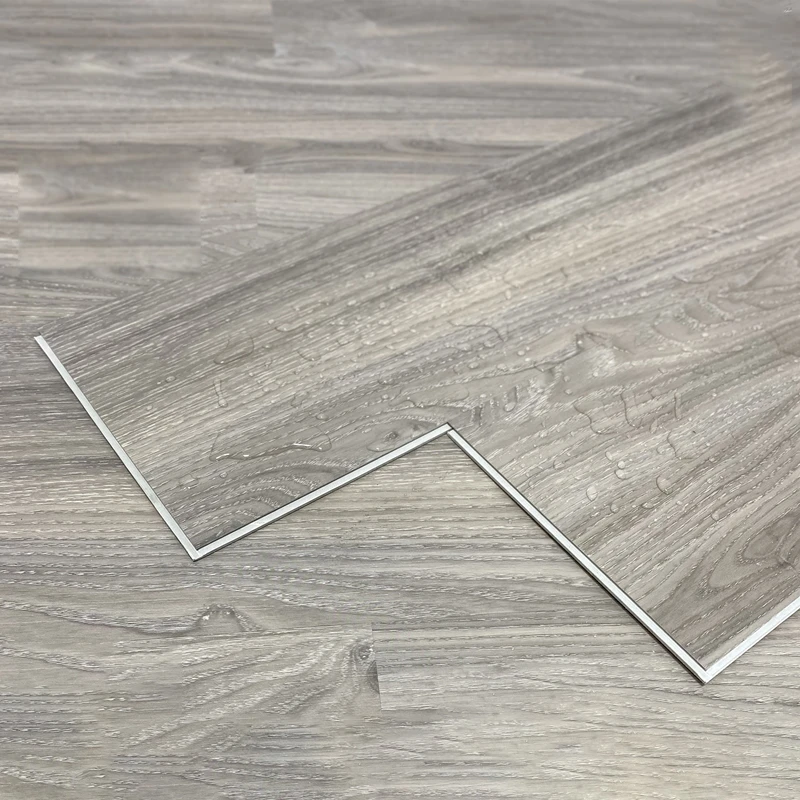
Manufacturers offer SPC flooring in myriad finishes — from realistic wood grains to stone and abstract patterns — delivering aesthetic freedom without sacrificing function.
Eco-Friendliness
The use of abundant natural materials like limestone and advancements in recyclability make SPC flooring a more sustainable choice compared to petroleum-heavy materials.
Mini takeaway: SPC flooring isn’t just a product; it’s a carefully balanced union of physical technology and design innovation crafted to serve practical needs efficiently.
Where Do You See SPC Composite Flooring in Action?
- Residential Homes: Waterfront apartments and family homes employ SPC flooring for its water resistance and comfort.
- Commercial: Offices and retail spaces benefit from its durability under heavy foot traffic.
- Hospitality & Healthcare: Hotels and hospitals favor its hygienic, easy-clean surface.
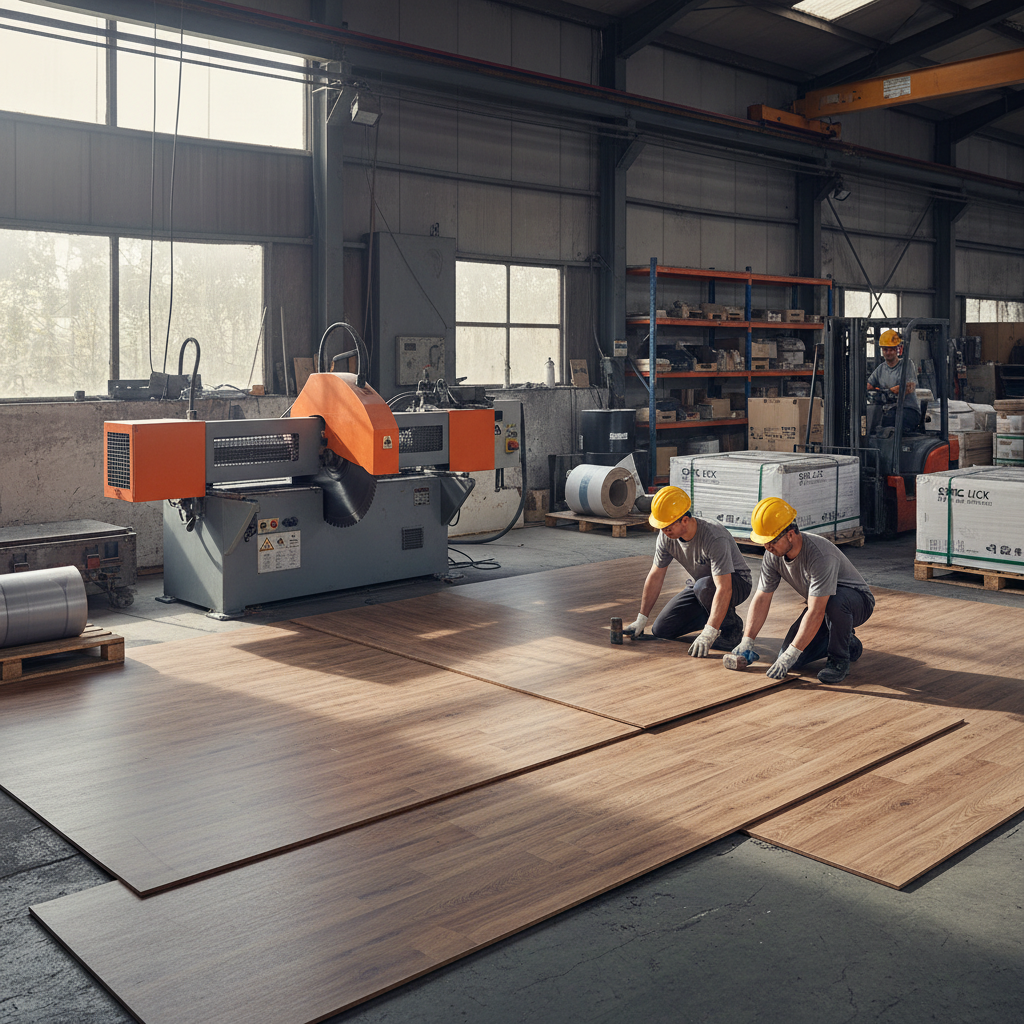
- Industrial Facilities: Warehouses and manufacturing plants appreciate the ability to withstand mechanical stresses.
- Post-disaster relief areas: SPC’s quick installation and durability aid reconstruction efforts where time and reliability matter.
For example, in Southeast Asia’s humid climate, SPC flooring has drastically cut maintenance headaches for hotels and clinics. And in Europe’s green building projects, it’s become a staple for sustainable interiors.
Comparing SPC Composite Flooring Products: Quick Specs Overview
| Specification | Typical Range | Description |
|---|---|---|
| Thickness | 4 - 8 mm | Thicker boards offer extra sound insulation and comfort. |
| Wear Layer | 0.3 - 0.7 mm | Protective top layer that resists scratches and stains. |
| Waterproof | 100% | Boards are entirely water resistant, suitable for wet environments. |
| Dimensions | 914 x 152 mm (typical) | Standard plank size, easily adaptable. |
| Installation | Click-lock | Glue-free installation speeds up fitting time. |
SPC Composite Flooring Vendors: What’s on the Market?
| Vendor | Price Range (per m²) | Eco Features | Warranty |
|---|---|---|---|
| EcoStone Floors | $30 - $45 | Recycled core materials, low VOC emissions | 25 years residential |
| StoneFlex | $28 - $40 | Certified FSC printing, phthalate-free | 20 years commercial |
| PureCore Supplies | $35 - $50 | Limestone-heavy core, energy-efficient production | 30 years residential/commercial |
Why Choose SPC Composite Flooring? Advantages & Long-Term Value
When you factor in durability, ease of installation, design versatility, and environmental friendliness, SPC floors offer a total package that comforts homeowners and developers alike. Safety-wise, the material emits very low VOCs — great for indoor air quality. Emotionally, people report feeling confident they won’t have to redo floors after a spill or wear and tear — which is a blessing when you juggle busy lifestyles or commercial operations.
Finances also stack up nicely: fewer repairs, less downtime, improved aesthetics, and even increased property value. And don’t underestimate the sustainability angle — many SPC products meet the ISO 14001 environmental management standards.
What’s Next? Trends and Innovations in SPC Flooring
Looking ahead, I see the integration of smart sensors embedded in flooring for environmental monitoring and safety becoming a thing. Advancements in bio-based polymers could reduce the plastic footprint further, and automation in production lines is speeding up manufacturing while reducing waste.
There’s also a growing push for recyclable SPC flooring to close the loop on materials — companies increasingly design for disassembly, which is fantastic for a circular economy.
Common Challenges and How Professionals Overcome Them
Despite its strengths, SPC flooring is not perfect. Some users report it can feel cold underfoot compared to wood, which calls for underfloor heating or rugs in colder climates. Also, cheaper SPC flooring sometimes suffers from inferior locking mechanisms, leading to gaps.
Experts recommend buying from reputable vendors and considering sound-proofing underlayments or surface treatments tailored to client needs. Most installers I know also emphasize precise subfloor prep to avoid issues down the line.
Frequently Asked Questions About SPC Composite Flooring
- Is SPC composite flooring suitable for bathrooms and kitchens?
- Absolutely. Thanks to its waterproof core and sealed top layer, SPC flooring performs excellently in wet areas like bathrooms and kitchens, resisting moisture infiltration and warping issues common in other materials.
- How long does SPC flooring typically last?
- With quality material and proper maintenance, SPC floors can last 20–30 years, making them a long-term investment. Warranty terms often reflect this longevity.
- Can SPC flooring be installed over existing floors?
- Generally yes, provided the existing surface is flat, clean, and stable. Its click-lock design allows installing over concrete, plywood, or vinyl, which saves time and disposal costs compared to demolition.
- Is SPC flooring eco-friendly?
- It depends on the brand, but many SPC products feature recycled materials, low VOC emissions, and manufacturing aligned with sustainability standards, making them a greener choice than traditional vinyl or carpet.
- What maintenance does SPC flooring need?
- Very little — regular sweeping or vacuuming plus occasional damp mopping with non-abrasive cleaners is typically sufficient to keep SPC floors looking new.
In Closing: Why SPC Composite Flooring Is Worth Your Consideration
SPC composite flooring isn’t just another flooring choice. It’s a reflection of modern needs — durability without fuss, sustainability without trade-offs, and style that suits diverse environments. Whether you’re a homeowner, builder, or business leader, embracing SPC flooring could mean less stress, fewer maintenance headaches, and a better planet.
Curious to see SPC flooring options firsthand? Visit our site for a broad range of styles and professional support: spc composite flooring.
References
-
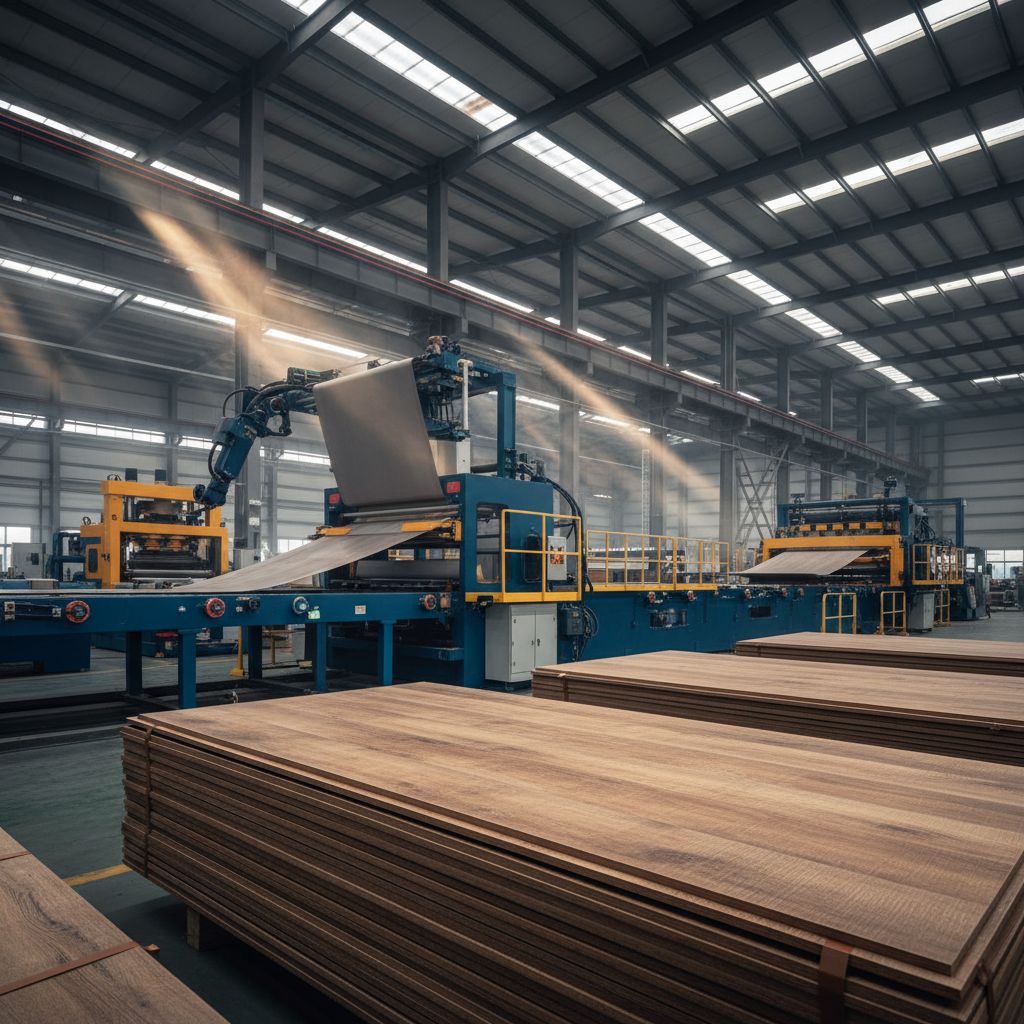 Ultimate Guide to Durable Waterproof SPC Vinyl Flooring StyleWhen renovating a modern home or commercial space, the flooring choice often defines the entire atmosphere. waterproof spc vinyl flooring has emerged as a revolutionary solution for those who refuse to compromise between aesthetic elegance and rugged performance. Standing for Stone Plastic Composite, SPC flooring is engineered to withstand the toughest environments, from moisture-prone bathrooms to high-traffic living rooms. In this comprehensive guide, we will explore why this material is dominating the interior design market and how it can transform your space into a sanctuary of style and resilience.Read More >
Apr 16 2026
-
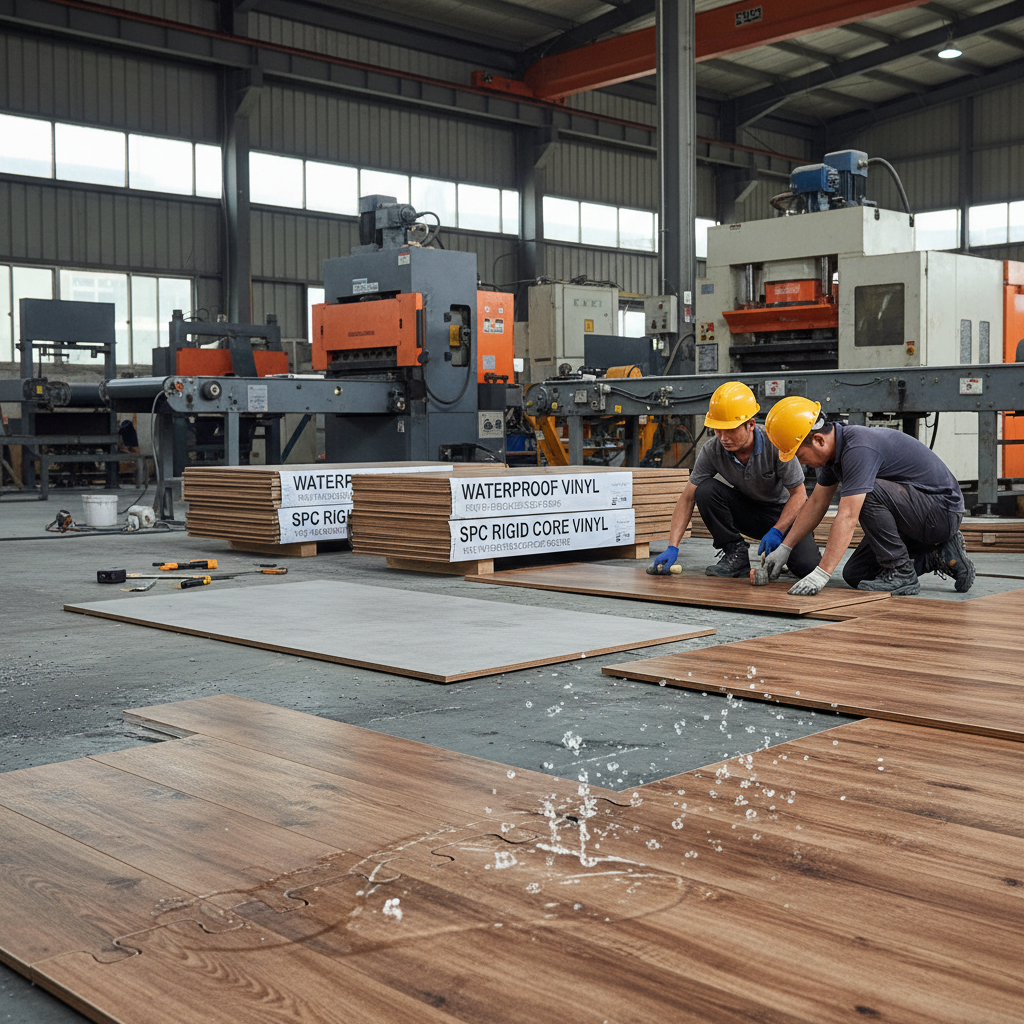 Ultimate Guide to Durable Waterproof SPC Rigid Core Vinyl FlooringChoosing the right flooring for a modern home or commercial space requires a balance between aesthetics and endurance. waterproof spc rigid core vinyl has emerged as a game-changer in the interior design world, offering the timeless look of hardwood with the unmatched resilience of stone polymer composite. Whether you are dealing with high-traffic hallways, moisture-prone bathrooms, or pet-friendly living rooms, this flooring solution provides a stable, waterproof, and scratch-resistant surface. In this comprehensive guide, we will explore why this innovative material is replacing traditional laminate and luxury vinyl planks in contemporary construction.Read More >
Apr 09 2026
-
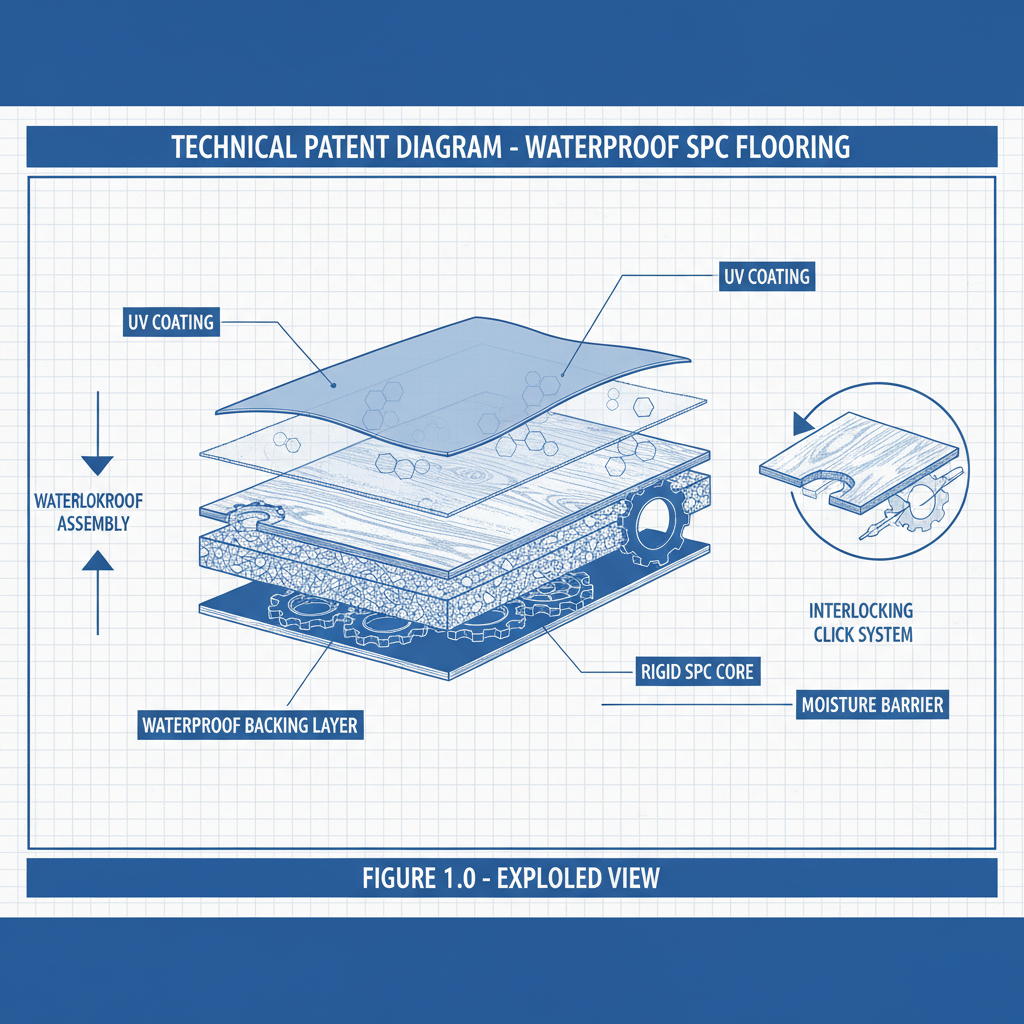 Comprehensive Guide to Waterproof SPC Flooring Durability and InstallationChoosing the right flooring for your home or business is a significant decision. Waterproof SPC flooring has emerged as a popular option due to its durability, affordability, and ease of installation. This article provides an in-depth look at waterproof SPC flooring, covering its benefits, installation process, maintenance, and comparisons with other flooring types. Understanding these aspects will help you determine if SPC flooring is the right choice for your project.Read More >
Apr 07 2026
-
 Discover the Durability and Style of Vinyl SPC Rigid Flooring SolutionsLooking for a durable, waterproof, and stylish flooring solution? Vinyl SPC rigid flooring is quickly becoming the go-to choice for homeowners and businesses alike. This article provides a comprehensive overview of this innovative flooring type, covering its benefits, installation, maintenance, and more. We’ll help you determine if SPC rigid vinyl flooring is the right fit for your project.Read More >
Apr 04 2026
-
 Comprehensive Guide to Durable Vinyl SPC Click Flooring Options and BenefitsChoosing the right flooring for your home or business is a significant decision. Vinyl SPC click flooring has emerged as a popular and durable option, offering a blend of aesthetic appeal and practical benefits. This article will explore the key features, advantages, installation process, and applications of SPC flooring, helping you determine if it's the right choice for your project. From its waterproof nature to its ease of installation, we'll cover everything you need to know.Read More >
Mar 31 2026
 +86 31185293045
  qian@ss711.com

Shijiazhuang Sothink trading Co., LTD.
Our company focuses on product development, production, sales and other all-round services, and is committed to providing customers with high-performance products and high-quality services.