


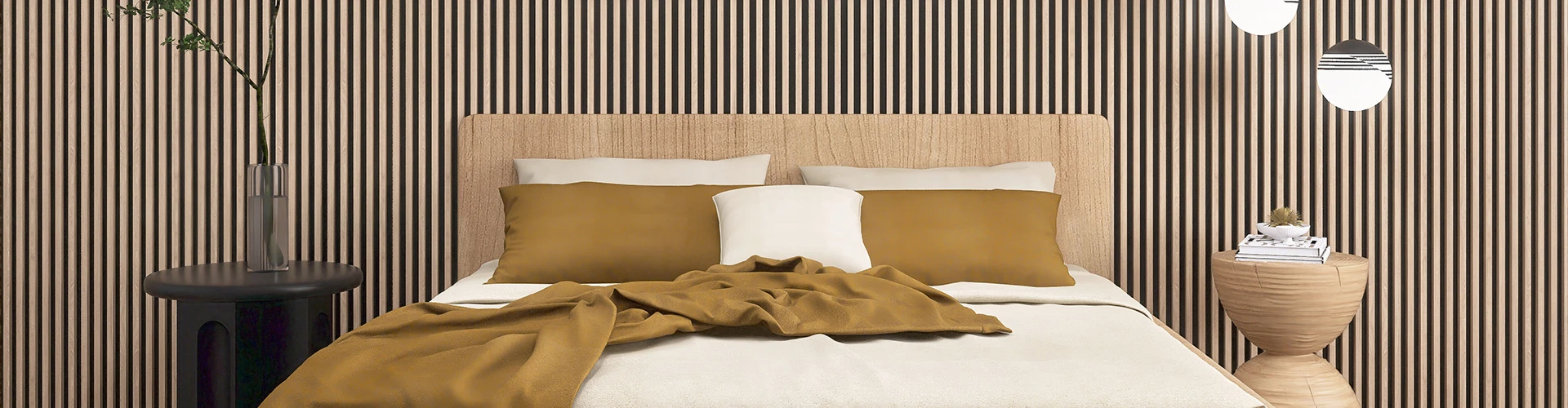
SPC Core Flooring – Durable, Waterproof Flooring Solutions for Modern Spaces
Understanding SPC Core Flooring: The Durable Backbone of Modern Interiors
SPC core flooring might not be the buzzword at your local home store, but globally, it’s quietly revolutionizing how we think about resilient, sustainable, and cost-effective flooring solutions. With the push towards smarter construction methods and environmentally-friendly materials, understanding SPC (Stone Plastic Composite) core flooring becomes crucial — especially for architects, contractors, and environmentally-conscious consumers.
Why SPC Core Flooring Matters Globally
Across the world, rapid urbanization and the demand for flexible, high-performance materials have surged. According to a UN report, by 2050, nearly 68% of the global population will live in urban areas. This creates massive demand for durable, easy-to-install flooring that can withstand high foot traffic, moisture, and temperature fluctuations — especially in tropical and subtropical regions.
This is where SPC core flooring steps in. It addresses many challenges: traditional wood floors warp or swell in humid climates; tiles are cold and brittle; carpet traps allergens. SPC combines stone and plastic for a rigid, waterproof core, making it a resilient option worldwide.
Mini takeaway: SPC core flooring’s durability and waterproof nature make it a global solution to climate- and traffic-driven flooring issues.
Defining SPC Core Flooring in Plain Terms
Simply put, SPC core flooring is a type of rigid vinyl flooring with a core made from Stone Plastic Composite — a blend of limestone powder, polyvinyl chloride, and stabilizers. Think of it as a rock-solid, waterproof flooring plank that still feels lightweight and flexible enough for easy installation.
Its industrial heritage ties to the need for long-lasting modular flooring in environments ranging from hospitals to logistics hubs. Today, humanitarian projects also favor SPC flooring for shelters and temporary housing, since it withstands tough conditions without sacrificing comfort or safety.
Key Components Driving SPC Core Flooring’s Popularity
Durability & Stability
Many engineers say that SPC floors resist dents, stains, and scratches better than traditional vinyl or laminate. Thanks to its stone-filled core, it won’t expand or contract significantly — a blessing where temperature swings are common.
Waterproof & Moisture Resistant
Unlike engineered wood, SPC isn’t porous. You can install it in bathrooms, kitchens, or basements without worrying about mold or warping.
Ease of Installation
Thanks to its click-lock design and lightweight planks, SPC core flooring allows for quick DIY or professional installation — saving time and labor costs.
Environmental Benefits
While it’s made from PVC, many manufacturers now emphasize low-VOC emissions and recyclable components, aligning with ISO standards for indoor air quality and sustainability.
Cost Efficiency
SPC flooring generally costs less upfront than hardwood or ceramic tiles but offers comparable lifespan and looks, making it an excellent value.
Mini takeaway: SPC core flooring combines a handful of core qualities — strength, water resistance, and easy installation — that make it a no-nonsense choice for many projects.
Where SPC Core Flooring Finds Its Groove Globally
From bustling European hospitals to sprawling Southeast Asian shopping malls, SPC flooring has seen swift adoption. For instance:
- In post-disaster relief: SPC planks quickly provide safe, hygienic floors in temporary shelters, replacing dirt or worn mats.
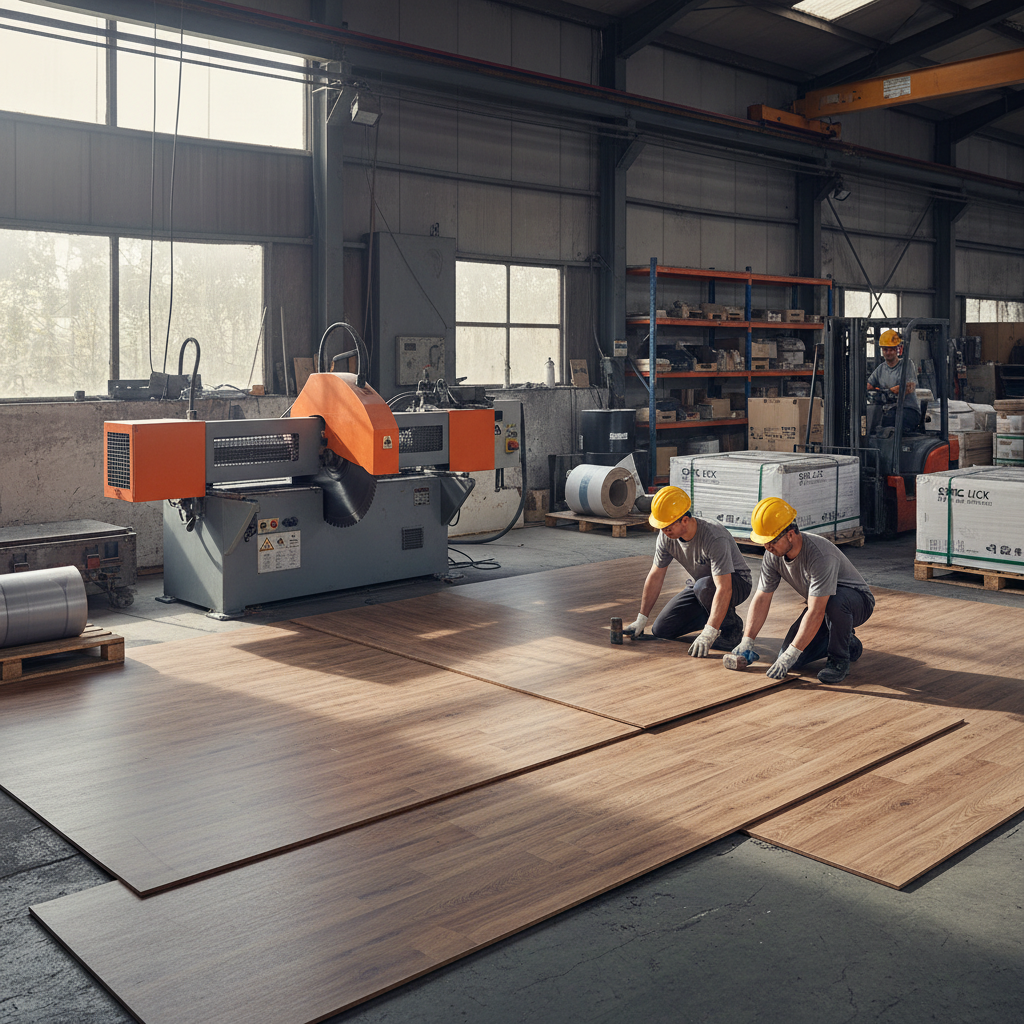
- In industrial zones: factories and warehouses prefer SPC for its robustness under heavy machinery and fork lifts.
- In hospitality and retail: its aesthetic versatility blends with luxurious finishes while tolerating high footfall.
- Residential projects: homeowners opt for SPC to get wood-look floors that hold up against kids, pets, and spills.
SPC Core Flooring Specification Table
| Feature | Typical Values |
|---|---|
| Core Composition | Limestone + PVC + Stabilizers |
| Thickness | 3mm to 7mm |
| Wear Layer | 0.3mm to 0.7mm (varies by grade) |
| Water Resistance | 100% Waterproof |
| Installation | Click-lock, Floating Floor |
| Lifespan | 15-25 Years (typical) |
Comparing Leading SPC Flooring Vendors
| Vendor | Price | Warranty | Lead Time | Sustainability |
|---|---|---|---|---|
| Sothink Decor | $$$ | 15 Years | 2-4 Weeks | Low VOC, Recyclable |
| FloorCo Systems | $$ | 10 Years | 3-5 Weeks | Standard VOC |
| GreenPlank Flooring | $$$$ | 20 Years | 4-6 Weeks | 100% Recyclable |
Advantages & Long-Term Impact of SPC Core Flooring
SPC floors deliver a compelling blend of practical and emotional benefits. Practically, you’re looking at a durable surface that lowers maintenance costs while reducing waste thanks to long lifespan. Emotionally, many homeowners and workers report feeling safer on non-slip, stable SPC floors — a subtle but important point if you consider the daily grind of fast-paced environments.
Socially, the move toward greener materials with reduced VOC emissions helps indoor air quality tremendously. And economically speaking, the value gained versus initial investment tends to win favor.
The Road Ahead: Innovations in SPC Flooring
Innovation keeps knocking on SPC flooring’s door. New wear layers incorporate UV-resistant coatings; some brands explore bio-based plasticizers and recycled stone fillers to up sustainability credentials. I’m also hearing buzz around digitally printed SPC floors — allowing photorealistic wood or stone looks without excessive waste.
On the policy side, tightening ISO standards and green building certifications push manufacturers towards cleaner processes and healthier end products. It’s a dynamic space, and oddly enough, one that feels ripe for transformation (again).
Challenges & Smart Solutions in SPC Core Flooring
No product is perfect. SPC flooring can feel a bit hard underfoot compared to cork or carpets, and while it’s excellent against moisture, subfloor prep remains key to avoid problems like uneven wear or locking failures. Also, price can be a sticking point for budget-conscious builders.
Experts recommend thorough site inspections and partnering with experienced installers — especially in uneven or older buildings — to maximize SPC flooring’s benefits.
FAQ: Common Questions About SPC Core Flooring
- Is SPC core flooring suitable for underfloor heating?
- Yes, SPC flooring works well with underfloor heating systems. Its stone composite core conducts heat efficiently without expanding much, ensuring stability. Just confirm with your supplier about specific product compatibility.
- Can I install SPC flooring in a bathroom?
- Absolutely! SPC floors are 100% waterproof, making them ideal for high-humidity environments like bathrooms or kitchens. This helps prevent mold and warping issues.
- How long does SPC core flooring typically last?
- With proper care, SPC flooring can last between 15 to 25 years, depending on traffic and maintenance. Its wear layer thickness plays a big role in durability.
- Are SPC floors eco-friendly?
- While SPC uses PVC, modern manufacturers reduce VOC emissions and use recyclable materials. Look for certifications like FloorScore or GREENGUARD for indoor air quality assurances.
- Can I install SPC flooring myself?
- Many SPC systems feature simple click-lock installation suitable for DIYers. However, uneven subfloors or large areas might benefit from professional installation for best results.
Wrapping Up: Why SPC Core Flooring Deserves a Closer Look
In the end, SPC core flooring presents a compelling fusion of durability, water resistance, and aesthetic versatility that’s hard to beat in today’s flooring landscape. Whether working on a commercial project, a custom home, or emergency shelter, it delivers on performance while keeping things eco-conscious.
If you’re curious to learn more about SPC options or want a trusted vendor, be sure to visit SothinkDecor’s website — they’ve carved out a solid reputation for quality and innovation in this space.
So next time you think of flooring, don’t overlook the quiet strength of SPC core flooring. It’s kind of like the unsung hero beneath your feet.
References
-
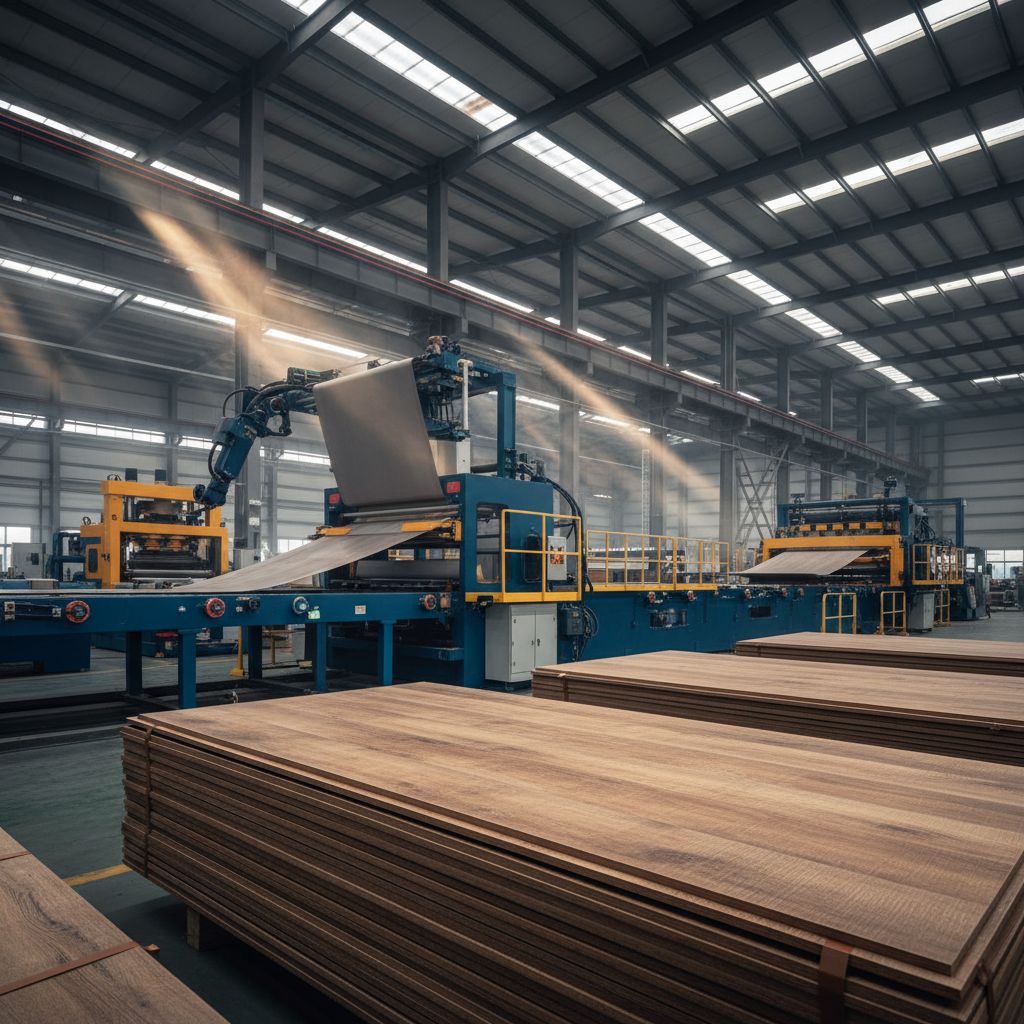 Ultimate Guide to Durable Waterproof SPC Vinyl Flooring StyleWhen renovating a modern home or commercial space, the flooring choice often defines the entire atmosphere. waterproof spc vinyl flooring has emerged as a revolutionary solution for those who refuse to compromise between aesthetic elegance and rugged performance. Standing for Stone Plastic Composite, SPC flooring is engineered to withstand the toughest environments, from moisture-prone bathrooms to high-traffic living rooms. In this comprehensive guide, we will explore why this material is dominating the interior design market and how it can transform your space into a sanctuary of style and resilience.Read More >
Apr 16 2026
-
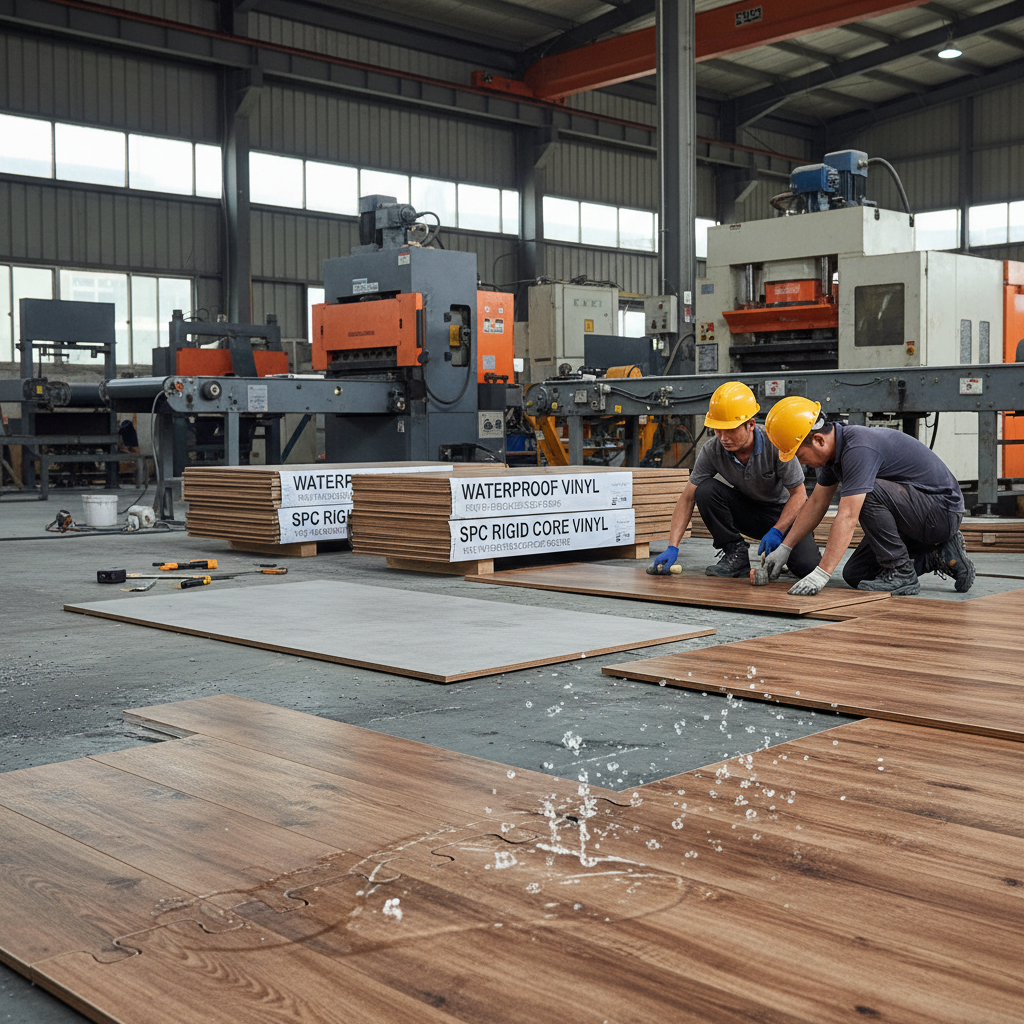 Ultimate Guide to Durable Waterproof SPC Rigid Core Vinyl FlooringChoosing the right flooring for a modern home or commercial space requires a balance between aesthetics and endurance. waterproof spc rigid core vinyl has emerged as a game-changer in the interior design world, offering the timeless look of hardwood with the unmatched resilience of stone polymer composite. Whether you are dealing with high-traffic hallways, moisture-prone bathrooms, or pet-friendly living rooms, this flooring solution provides a stable, waterproof, and scratch-resistant surface. In this comprehensive guide, we will explore why this innovative material is replacing traditional laminate and luxury vinyl planks in contemporary construction.Read More >
Apr 09 2026
-
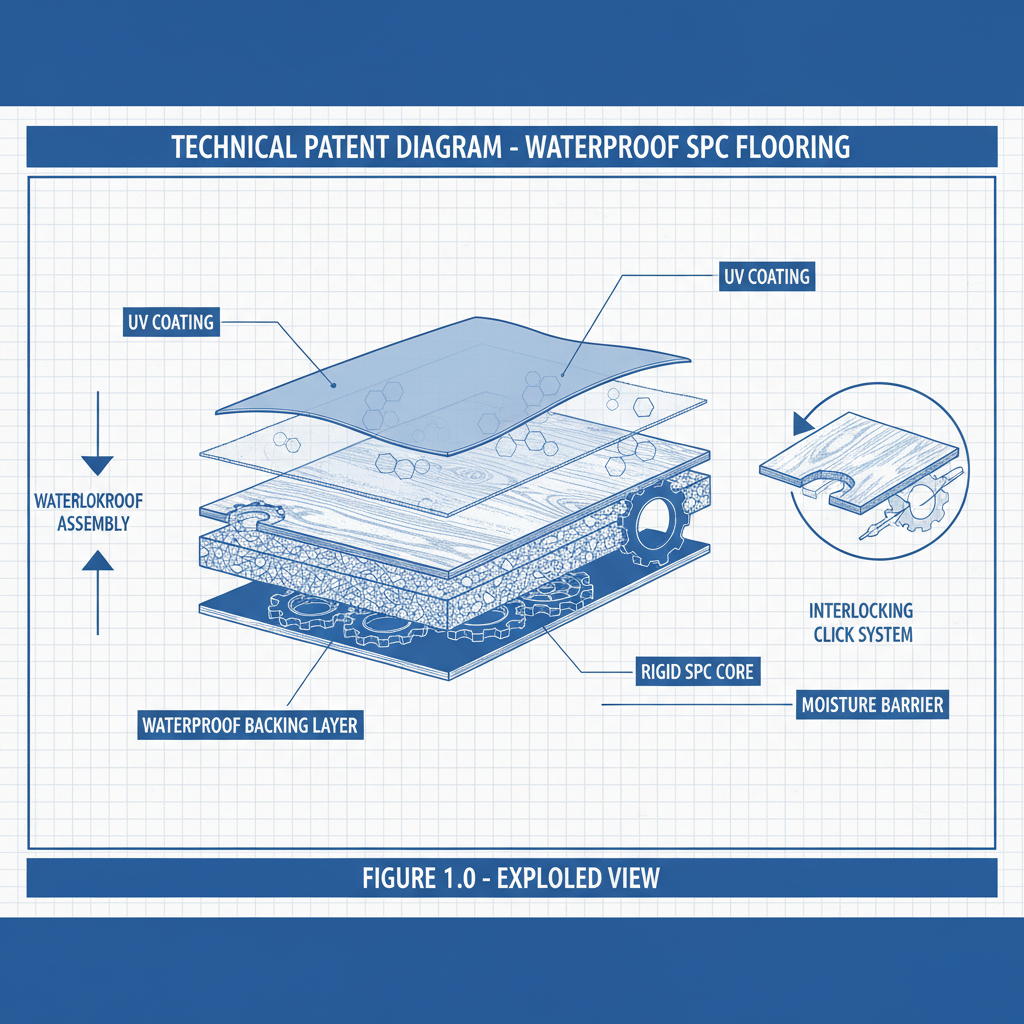 Comprehensive Guide to Waterproof SPC Flooring Durability and InstallationChoosing the right flooring for your home or business is a significant decision. Waterproof SPC flooring has emerged as a popular option due to its durability, affordability, and ease of installation. This article provides an in-depth look at waterproof SPC flooring, covering its benefits, installation process, maintenance, and comparisons with other flooring types. Understanding these aspects will help you determine if SPC flooring is the right choice for your project.Read More >
Apr 07 2026
-
 Discover the Durability and Style of Vinyl SPC Rigid Flooring SolutionsLooking for a durable, waterproof, and stylish flooring solution? Vinyl SPC rigid flooring is quickly becoming the go-to choice for homeowners and businesses alike. This article provides a comprehensive overview of this innovative flooring type, covering its benefits, installation, maintenance, and more. We’ll help you determine if SPC rigid vinyl flooring is the right fit for your project.Read More >
Apr 04 2026
-
 Comprehensive Guide to Durable Vinyl SPC Click Flooring Options and BenefitsChoosing the right flooring for your home or business is a significant decision. Vinyl SPC click flooring has emerged as a popular and durable option, offering a blend of aesthetic appeal and practical benefits. This article will explore the key features, advantages, installation process, and applications of SPC flooring, helping you determine if it's the right choice for your project. From its waterproof nature to its ease of installation, we'll cover everything you need to know.Read More >
Mar 31 2026
 +86 31185293045
  qian@ss711.com

Shijiazhuang Sothink trading Co., LTD.
Our company focuses on product development, production, sales and other all-round services, and is committed to providing customers with high-performance products and high-quality services.