



Market Dynamics and Industry Trends in Cast Iron Cookware
The global market for high-performance cookware, particularly cast iron, is experiencing robust growth driven by increasing demand from professional kitchens and discerning home consumers. This surge is fueled by a renewed appreciation for durability, superior heat retention, and versatile cooking capabilities. Products such as the cast iron casserole dish red, casserole dish iron, and comprehensive cast iron bakeware set are at the forefront of this trend. Industry analysis indicates a compound annual growth rate (CAGR) of 5.5% for premium cookware, with cast iron segments outperforming others due to their perceived value and longevity. Key factors include the rising adoption of induction cooking, which is optimally supported by cast iron's ferromagnetic properties, and a consumer shift towards sustainable, long-lasting kitchen investments. Manufacturers are increasingly focusing on innovations in enamel coatings and ergonomic designs to enhance user experience and product aesthetics.
Technological advancements in foundry processes and surface treatments are enabling the production of lighter yet equally robust cast iron cookware, broadening its appeal. The demand for visually appealing options, such as the vibrant cast iron casserole dish red, demonstrates a market segment valuing both functionality and style. Furthermore, the commercial food service sector relies heavily on the even heating and heat retention of casserole dish iron for consistent culinary results, from slow-cooked stews to braised meats. This consistent performance minimizes energy consumption in professional environments, contributing to operational efficiency. Understanding these trends is critical for businesses looking to invest in or supply high-quality cast iron culinary tools that meet evolving market expectations.
Technical Specifications and Product Deep Dive
Modern cast iron cookware, exemplified by the advanced cast iron casserole dish red and versatile cast iron bakeware set, adheres to stringent technical specifications to ensure optimal performance and safety. These products typically utilize high-grade grey cast iron, often ASTM A48 Class 30 or similar, known for its excellent thermal conductivity and stability. The internal and external surfaces are frequently finished with multiple layers of vitrified enamel, applied at temperatures exceeding 800°C. This enamel not only provides a non-reactive, easy-to-clean surface but also enhances durability and resistance to thermal shock. The specific color, such as the popular cast iron casserole dish red, is achieved through specialized pigmentation within the enamel formulation, ensuring color fastness even under high heat.
Critical parameters include thickness of the cast iron walls and base, typically ranging from 4mm to 6mm, which directly influences thermal mass and heat retention capabilities. Handles are often integrated cast iron, ergonomically designed for comfortable lifting, or feature stainless steel components for a sleek finish. Lids are precisely engineered to create a tight seal, promoting self-basting during cooking and locking in moisture and flavor. Oven safety temperatures generally reach up to 260°C (500°F), allowing for versatile use from stovetop searing to oven baking. The structural integrity and material composition make a robust casserole dish iron an indispensable tool for long-duration cooking.
|
Typical Parameters for Cast Iron Casserole Dishes & Bakeware Sets |
|||
|
Parameter |
Description |
Typical Range / Value |
Benefit |
|
Material Grade |
Grey Cast Iron (e.g., ASTM A48 Class 30) |
Min. Tensile Strength 200 MPa |
Exceptional heat retention and durability |
|
Enamel Coating |
Vitrified Enamel (2-3 layers) |
Food-grade, non-reactive, chip-resistant |
Easy cleaning, prevents rust, enhances aesthetics (e.g., cast iron casserole dish red) |
|
Wall Thickness |
Optimal thermal mass for even heating |
4.0mm - 6.0mm |
Prevents hot spots, consistent cooking results |
|
Oven Safe Temperature |
Maximum temperature for safe oven use |
Up to 260°C (500°F) |
Versatility from stovetop to oven |
|
Heat Retention Index |
Time to drop from 200°C to 100°C |
~30-45 minutes (empty) |
Energy efficiency, keeps food warm longer |
|
Lid Fit Accuracy |
Precision engineering for tight seal |
Tolerance ±0.5mm |
Moisture retention, flavor enhancement |
Precision Manufacturing: The Journey of a Cast Iron Casserole Dish
The production of a high-quality casserole dish iron or a complete cast iron bakeware set involves a sophisticated multi-stage manufacturing process, predominantly utilizing advanced casting techniques. It begins with raw materials: high-purity pig iron, steel scrap, and ferroalloys, carefully measured to achieve the precise metallurgical composition. These are melted in an induction or cupola furnace at temperatures exceeding 1400°C. The molten iron is then poured into sand molds, which are meticulously crafted using high-precision pattern equipment to ensure smooth surfaces and accurate dimensions. Modern foundries often employ automated pouring systems and robotic demolding for consistency and efficiency.
After cooling, the raw casting undergoes a series of crucial post-casting operations. This includes shot blasting to remove residual sand and scale, followed by extensive grinding and fettling to smooth rough edges and remove any casting imperfections. For enamel-coated products like the cast iron casserole dish red, the surface is then prepared for enameling. This involves multiple applications of glass frit in suspension, dried, and then fired at extreme temperatures to create a durable, non-porous vitreous surface. Each layer, from the ground coat to the cover coats, is precisely applied and fired, ensuring optimal adherence and finish. Quality control is maintained throughout, with inspections for dimension, surface finish, enamel thickness, and adherence to international standards such as ISO 9001 for quality management and ANSI standards for material properties. This rigorous process guarantees the exceptional lifespan and performance expected from premium cast iron cookware.
Unrivaled Technical Advantages and Performance Benefits
The inherent properties of cast iron provide a distinct competitive advantage over other cookware materials, making a casserole dish iron a preferred choice for demanding culinary applications. Its primary benefit lies in exceptional thermal mass, allowing it to absorb and retain heat far more effectively than aluminum or stainless steel. This translates into unparalleled even heating across the entire cooking surface, eliminating hot spots and ensuring consistent cooking results, which is crucial for delicate sauces, searing, and braising. Furthermore, this superior heat retention translates directly into energy savings. Once heated, cast iron requires significantly less energy to maintain its temperature, making it highly efficient for prolonged simmering or baking, reducing utility costs in commercial settings.
For enamel-coated variants like the cast iron casserole dish red, corrosion resistance is a significant technical advantage. The vitreous enamel surface creates an impermeable barrier, protecting the underlying iron from acidic foods and moisture, thereby preventing rust and eliminating the need for complex seasoning routines. This makes them ideal for a wide range of acidic preparations, from tomato-based sauces to citrus marinades, without fear of metallic flavor transfer. The robust nature of a cast iron bakeware set also contributes to an extended operational lifespan, often measured in decades rather than years. This durability, coupled with resistance to warping at high temperatures, positions cast iron as a sustainable and economically sound investment for any professional kitchen or culinary enthusiast.
Diverse Application Scenarios and Proven Success Stories
The versatility of casserole dish iron and cast iron bakeware set solutions extends across a multitude of industries and culinary environments. In the hospitality sector, from Michelin-starred restaurants to bustling bistros, these products are indispensable for their reliability and consistent performance. They excel in applications requiring slow, even cooking, such as braising short ribs, preparing hearty stews, or baking artisan breads. The vibrant aesthetics of a cast iron casserole dish red also make it suitable for direct-to-table serving, enhancing the dining experience in high-end establishments. Beyond restaurants, culinary schools utilize these tools for training future chefs, leveraging their robustness to withstand daily rigorous use.
For instance, a major hotel chain recently upgraded its kitchen facilities, standardizing on a premium cast iron bakeware set, reporting a 15% reduction in cooking times for certain dishes due to superior heat retention, and a significant improvement in dish consistency across all outlets. In another case, a regional catering company noted that their new fleet of cast iron casserole dish red units maintained food temperatures longer during transport and buffet service, directly impacting customer satisfaction. These real-world applications underscore the profound impact of high-quality cast iron cookware on operational efficiency, product quality, and overall culinary excellence, making them a strategic asset for businesses in the food service and hospitality industries.
Manufacturer Comparison and Customization Solutions
When sourcing cast iron casserole dish red, casserole dish iron, or a complete cast iron bakeware set, discerning buyers often face a landscape of manufacturers with varying capabilities. Key differentiators include the quality of raw materials, precision of casting processes, consistency of enamel application, and adherence to international certifications like ISO 9001 and FDA compliance for food contact surfaces. Leading manufacturers typically offer superior material density, resulting in better heat distribution and fewer structural defects. Their enamel coatings are often multi-layered and more chip-resistant, extending the product's aesthetic and functional lifespan.
For B2B clients, customized solutions are increasingly important. This can range from bespoke sizes and unique color specifications for a cast iron casserole dish red to branded embossing on lids or handles for a cast iron bakeware set. Manufacturers with advanced CAD/CAM capabilities and flexible production lines can accommodate specific design modifications, material compositions (e.g., adding specific alloying elements for enhanced thermal shock resistance), or even custom tool and die fabrication for entirely new product lines. This level of customization allows businesses to develop proprietary cookware that aligns perfectly with their brand identity and operational requirements, offering a competitive edge in specialized markets.
Data Visualization: Cast Iron Skillet Performance Metrics
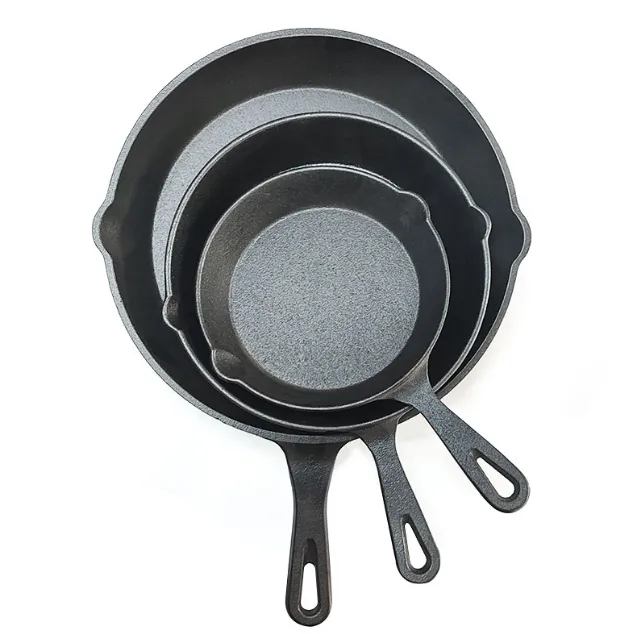
While our primary focus is on `cast iron casserole dish red`, `casserole dish iron`, and `cast iron bakeware set`, it's insightful to examine the performance metrics of a related and equally popular product: the Cast Iron Skillet. The underlying metallurgical principles and manufacturing processes are largely similar, providing a valuable benchmark for understanding the broader category of cast iron cookware. The following data highlights key technical indicators, demonstrating why cast iron is favored for its thermal properties and durability.
|
Cast Iron Skillet: Key Technical Indicator Comparison (Typical Values) |
|||
|
Indicator |
Cast Iron Skillet (Pre-seasoned) |
Stainless Steel Skillet (Tri-ply) |
Aluminum Skillet (Non-stick) |
|
Thermal Conductivity (W/mK) |
50-55 |
~15 (Steel), ~200 (Alum. core) |
~200-220 |
|
Specific Heat Capacity (J/kg·K) |
460 |
490 |
900 |
|
Heat Retention (Avg. Time to drop 50°C from 200°C) |
15-20 min |
5-8 min |
3-5 min |
|
Oven Safe Temperature |
Unlimited (without silicone/plastic parts) |
~260°C (500°F) |
~200°C (400°F) |
|
Average Lifespan (Commercial Use) |
20+ years |
10-15 years |
2-5 years |
Heat Retention Comparison (Time to 50°C Drop)
18 min
7 min
4 min
Cast Iron
Stainless Steel
Aluminum
Average Lifespan (Commercial Use)
20+ Years
- Cast Iron (60%)| ● Stainless Steel (20%)| ● Aluminum (20%)
Professional Q&A on Cast Iron Cookware
Q1: What is 'thermal mass' and why is it crucial for a casserole dish iron?
A: Thermal mass refers to a material's capacity to store heat energy. For casserole dish iron, a high thermal mass means it absorbs a significant amount of heat and releases it slowly and evenly, preventing temperature fluctuations when food is added. This is crucial for consistent searing, browning, and slow cooking, ensuring dishes like braises and stews are cooked uniformly without hot spots.
Q2: What are the benefits of vitrified enamel coating on a cast iron casserole dish red?
A: Vitrified enamel provides a non-reactive, non-porous surface that is highly resistant to acid, rust, and odors. It eliminates the need for seasoning, simplifies cleaning, and allows for the introduction of vibrant colors like the cast iron casserole dish red, enhancing aesthetic appeal without compromising performance. It also protects the underlying cast iron, extending its lifespan.
Q3: How do ISO and ANSI standards apply to a cast iron bakeware set?
A: ISO 9001 certification ensures that the manufacturer maintains a rigorous quality management system throughout the production of the cast iron bakeware set, from raw material sourcing to final inspection. ANSI (American National Standards Institute) standards may apply to specific material properties (e.g., ASTM A48 for grey iron castings) or testing methodologies, guaranteeing product safety, performance, and dimensional accuracy.
Q4: What is the typical lifespan of commercial-grade cast iron cookware?
A: With proper care and maintenance, commercial-grade cast iron cookware, including a robust casserole dish iron, can last for decades, often 20 years or more. Its inherent durability, resistance to warping, and ability to be re-seasoned (for raw cast iron) or the protective enamel coating contribute to its exceptionally long operational life.
Q5: Can a cast iron bakeware set be used on induction stovetops?
A: Yes, absolutely. Cast iron is ferromagnetic, meaning it contains iron and is attracted to magnets. This property makes it perfectly compatible with induction cooktops, which work by generating a magnetic field that heats suitable cookware directly. This enhances energy efficiency and heating speed compared to traditional electric coil or gas burners.
Q6: What is the significance of the "gating system" in cast iron manufacturing?
A: The gating system refers to the channels through which molten metal flows into a mold during casting. A properly designed gating system for a casserole dish iron ensures a smooth, controlled fill, minimizes turbulence, and prevents defects such as porosity, cold shuts, and inclusions. It is critical for producing castings with uniform density and optimal mechanical properties.
Q7: Are there specific cleaning protocols for enamel-coated cast iron?
A: For enamel-coated cast iron, such as a cast iron casserole dish red, gentle cleaning is recommended. Allow the dish to cool completely before washing. Use warm soapy water and a soft sponge or nylon scrubber. Avoid abrasive cleaners, metallic pads, or harsh chemicals that can scratch or damage the enamel. While some are dishwasher safe, handwashing is often recommended to preserve the finish over time.
Commitment to Quality, Support, and Timely Delivery
Our unwavering commitment to delivering superior cast iron casserole dish red, casserole dish iron, and cast iron bakeware set products is underpinned by robust quality assurance protocols and comprehensive customer support. Each item undergoes rigorous multi-stage inspection, from raw material verification to final product testing, ensuring compliance with international quality benchmarks. We provide a limited lifetime warranty against manufacturing defects, reflecting our confidence in the durability and craftsmanship of our cast iron cookware. Our dedicated customer support team is available to assist with product inquiries, usage guidelines, and any technical support required.
Understanding the critical timelines for B2B procurement, we offer streamlined logistics and transparent delivery schedules. Typical delivery for standard orders ranges from 4-6 weeks, while customized cast iron bakeware set configurations may require 8-12 weeks, depending on complexity and volume. We ensure clear communication throughout the order fulfillment process, providing real-time updates and proactive problem-solving. Our comprehensive FAQ section addresses common queries regarding product care, usage, and maintenance, empowering our clients with the knowledge to maximize the lifespan and performance of their cast iron investments.
Conclusion and Future Outlook
The enduring appeal of cast iron cookware, from the classic casserole dish iron to the aesthetically refined cast iron casserole dish red and comprehensive cast iron bakeware set, is a testament to its unmatched performance, durability, and versatility. As culinary practices evolve, the foundational benefits of cast iron—superior heat retention, even cooking, and robust construction—remain invaluable. The market continues to demand high-quality, sustainable, and aesthetically pleasing solutions, driving innovation in material science, coating technologies, and ergonomic design.
Looking forward, advancements in sustainable manufacturing practices, including recycling initiatives for cast iron, and further enhancements in non-stick, non-reactive enamel coatings will likely shape the next generation of cast iron cookware. Strategic investment in premium cast iron products represents a commitment to culinary excellence, operational efficiency, and long-term value, making them indispensable assets for professional establishments worldwide.
References
- Journal of Materials Science and Technology, "Advances in Vitreous Enamel Coatings for Cast Iron Applications."
- International Journal of Foundry Technology, "Optimizing Gating Systems for High-Quality Cast Iron Production."
- Food Service Technology Magazine, "The Role of Thermal Mass in Professional Kitchen Efficiency."
- Materials and Design, "Corrosion Resistance of Enamel-Coated Ferrous Alloys in Acidic Food Environments."
- ASTM International Standards, "Standard Specification for Grey Iron Castings."
-
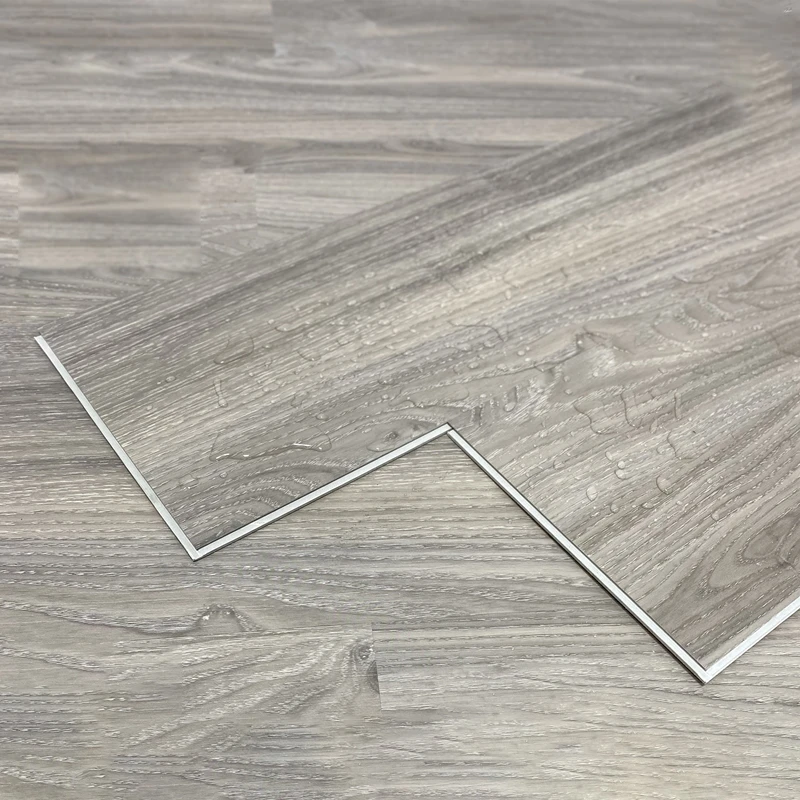
 Ultimate Guide to Durable Waterproof SPC Vinyl Flooring StyleWhen renovating a modern home or commercial space, the flooring choice often defines the entire atmosphere. waterproof spc vinyl flooring has emerged as a revolutionary solution for those who refuse to compromise between aesthetic elegance and rugged performance. Standing for Stone Plastic Composite, SPC flooring is engineered to withstand the toughest environments, from moisture-prone bathrooms to high-traffic living rooms. In this comprehensive guide, we will explore why this material is dominating the interior design market and how it can transform your space into a sanctuary of style and resilience.Read More >
Apr 16 2026
-
 Ultimate Guide to Durable Waterproof SPC Rigid Core Vinyl FlooringChoosing the right flooring for a modern home or commercial space requires a balance between aesthetics and endurance. waterproof spc rigid core vinyl has emerged as a game-changer in the interior design world, offering the timeless look of hardwood with the unmatched resilience of stone polymer composite. Whether you are dealing with high-traffic hallways, moisture-prone bathrooms, or pet-friendly living rooms, this flooring solution provides a stable, waterproof, and scratch-resistant surface. In this comprehensive guide, we will explore why this innovative material is replacing traditional laminate and luxury vinyl planks in contemporary construction.Read More >
Apr 09 2026
-
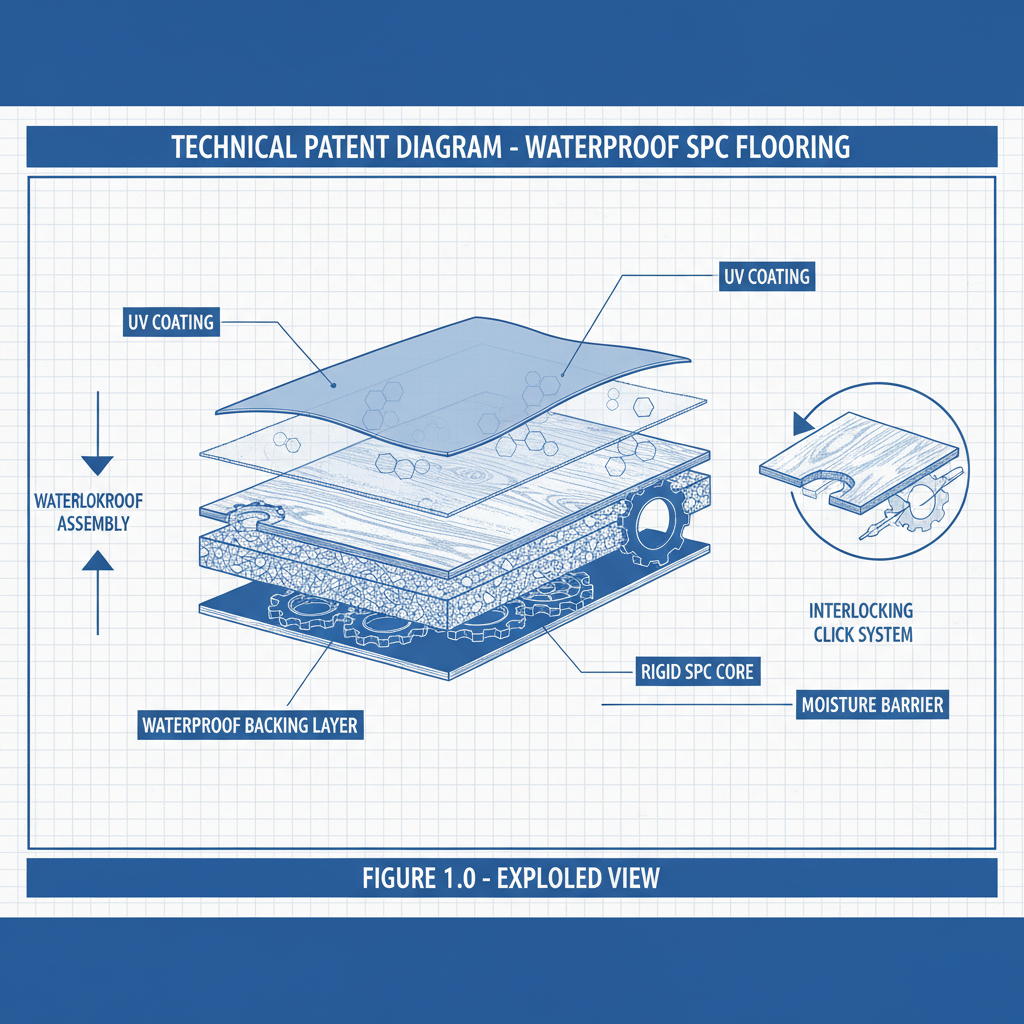 Comprehensive Guide to Waterproof SPC Flooring Durability and InstallationChoosing the right flooring for your home or business is a significant decision. Waterproof SPC flooring has emerged as a popular option due to its durability, affordability, and ease of installation. This article provides an in-depth look at waterproof SPC flooring, covering its benefits, installation process, maintenance, and comparisons with other flooring types. Understanding these aspects will help you determine if SPC flooring is the right choice for your project.Read More >
Apr 07 2026
-
 Discover the Durability and Style of Vinyl SPC Rigid Flooring SolutionsLooking for a durable, waterproof, and stylish flooring solution? Vinyl SPC rigid flooring is quickly becoming the go-to choice for homeowners and businesses alike. This article provides a comprehensive overview of this innovative flooring type, covering its benefits, installation, maintenance, and more. We’ll help you determine if SPC rigid vinyl flooring is the right fit for your project.Read More >
Apr 04 2026
-
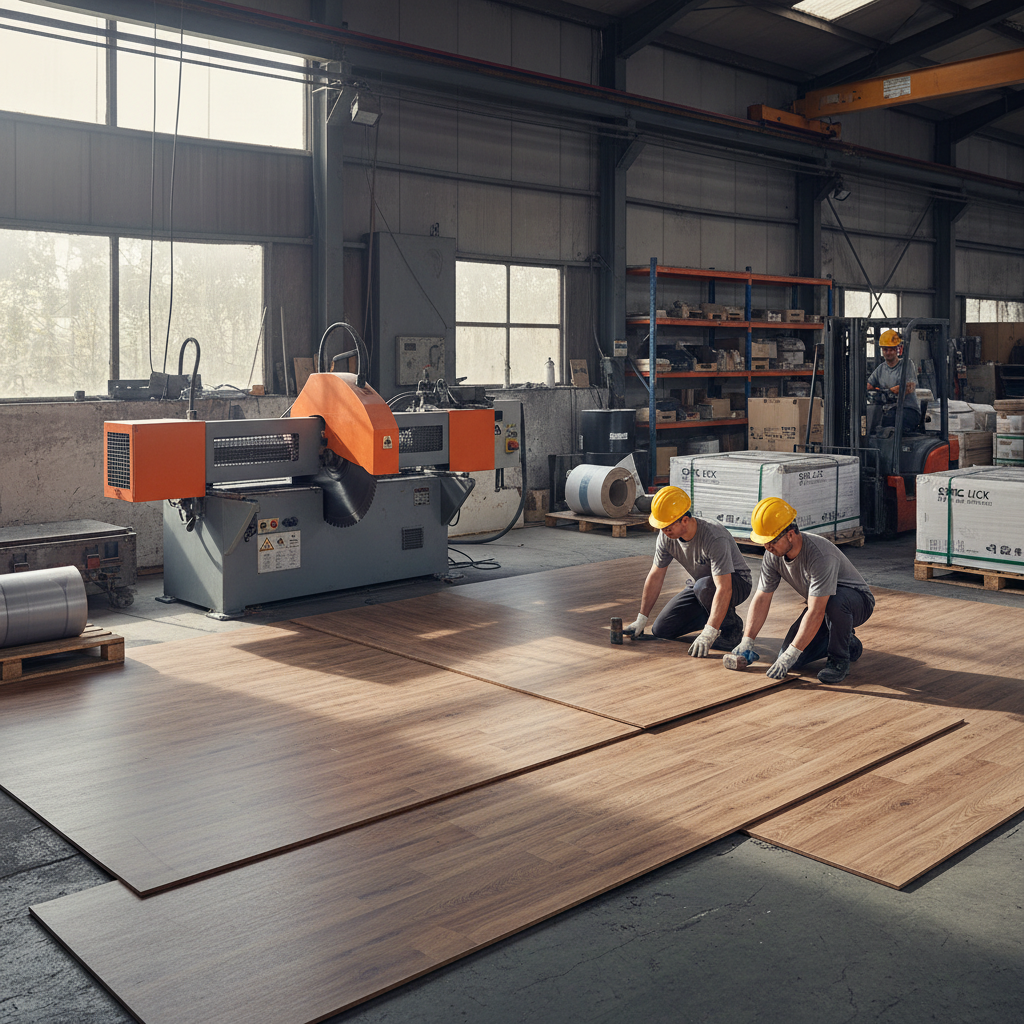 Comprehensive Guide to Durable Vinyl SPC Click Flooring Options and BenefitsChoosing the right flooring for your home or business is a significant decision. Vinyl SPC click flooring has emerged as a popular and durable option, offering a blend of aesthetic appeal and practical benefits. This article will explore the key features, advantages, installation process, and applications of SPC flooring, helping you determine if it's the right choice for your project. From its waterproof nature to its ease of installation, we'll cover everything you need to know.Read More >
Mar 31 2026
 +86 31185293045
  qian@ss711.com

Shijiazhuang Sothink trading Co., LTD.
Our company focuses on product development, production, sales and other all-round services, and is committed to providing customers with high-performance products and high-quality services.