


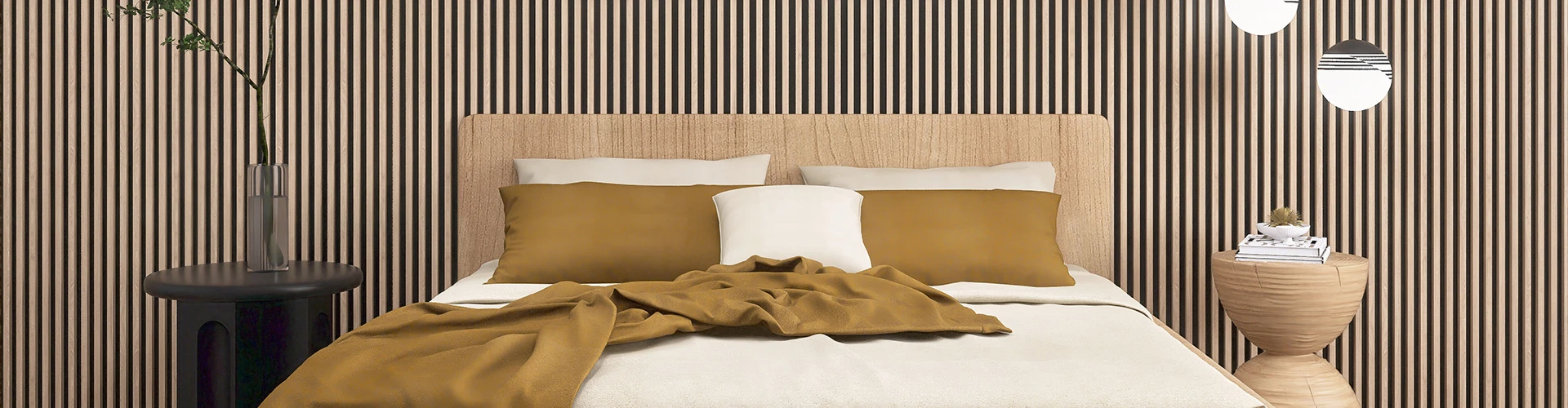
Premium Black and White Marble Sheets – Durable, Stylish Natural Stone Surfaces
What Are Black and White Marble Sheets and Why They Matter Globally
Black and white marble sheets are more than just striking décor elements; they tell a story of natural elegance combined with practical utility. But beyond their beauty, these sheets carry significance worldwide—in architecture, design, and even industrial applications. Understanding their benefits means appreciating a blend of durability, style, and environmental impact, which makes them relevant from a skyscraper in Dubai to a boutique hotel in Paris.
Globally, the demand for sustainable, stylish, and long-lasting surface materials has soared. Black and white marble sheets fit neatly into this narrative: they offer timeless appeal and versatility that speaks across cultures and industries.
Mini takeaway: Black and white marble sheets combine beauty with function, playing a role in modern construction, aesthetics, and sustainability worldwide.
Global Relevance: The Role of Black and White Marble Sheets in Industry and Design
According to ISO standards, natural stone finishes, including marble, occupy a vital niche in construction norms globally. Market reports estimate that the marble industry is valued at billions, with black and white varieties comprising a significant share because of their timeless appeal. Regions like Italy, India, Turkey, and China dominate extraction and processing, but consumption stretches far broader.
Frankly, one challenge has been balancing aesthetics and durability with cost and environmental impact. These sheets address that by offering natural material that ages well, requires minimal treatment, and lends itself to modern construction. Yet, the industry must grapple with quarry sustainability and carbon footprint.
Mini takeaway: Globally, black and white marble sheets are a top choice for balancing design sophistication with structural integrity, even as environmental concerns rise.
What Exactly Are Black and White Marble Sheets?
Black and white marble sheets are thin, polished slabs of metamorphic rock that showcase the natural contrasting colors of marble: the deep black veins and bold white matrix or vice versa. Think of them as large-format tiles or sheets, usually cut between 2 mm and 20 mm thick, ready to be used in interiors or cladding.
Modern industry uses them not just for flooring or countertops, but in façade paneling, furniture design, and even artistic installations. In humanitarian contexts—like luxury community centers or cultural preservation projects—they convey dignity and craftsmanship.
Mini takeaway: It’s marble, naturally formed and expertly cut into sheets, that offers a striking black-and-white palette appreciated worldwide.
Core Characteristics of Black and White Marble Sheets
1. Durability
Marble sheets withstand years of wear, especially with natural density and craftsmanship. Though softer than granite, the high polish and sealants used enhance resistance to stains and abrasion, making them practical in high-traffic zones.
2. Aesthetic Versatility
The dramatic contrast between black and white—sometimes with swirling veins—allows designers to craft minimalistic or bold statements. The sheets are remarkably adaptable across styles, from minimalist to classic luxury.
3. Sustainability
Natural stone extraction impacts the environment, but many vendors now focus on sustainable quarrying and recycling offcuts. Additionally, the longevity of marble reduces replacement needs, indirectly saving resources.
4. Scalability in Production
Thanks to modern cutting technologies like diamond-wire saws and CNC polishing, marble sheets can be produced at scale to fit project sizes ranging from boutique hotels to large malls.
5. Cost Efficiency
While marble isn’t cheap, black and white sheets blend durability and timeless style to offer long-term value that often beats synthetic alternatives.
| Specification | Typical Value |
|---|---|
| Material Type | Natural crystalline marble |
| Sheet Thickness | 5 - 20 mm |
| Dimensions | Up to 3000 x 1500 mm |
| Finish | Polished / Honed |
| Density | 2.6 - 2.8 g/cm³ |
| Water Absorption |
How and Where Are Black and White Marble Sheets Used Worldwide?
These sheets power a broad spectrum of projects. For instance:
- Luxury Architecture: High-end hotels in Europe and the Middle East use them in grand lobbies and spa areas for impactful contrast.
- Corporate Spaces: Offices in Asia incorporate large marble sheets for statement walls and flooring, subtly communicating prestige.
- Public Heritage Sites: Conservation projects use original marble sheets to repair or replicate historic décor without sacrificing authenticity.
- Residential Design: Modern apartments and kitchens worldwide welcome the dramatic interplay of black and white, often blending with minimalist styles.
Industries involved range from architecture, interior design, heritage management, to bespoke furniture makers.
In real terms, you’d find black and white marble sheets indoors almost anywhere signage of quality and permanence is desired. Oddly enough, even some affluent humanitarian projects use them in communal spaces to uplift spirits—because there’s something reassuring about marble.
Mini takeaway: From heritage restorations to futuristic office lobbies, black and white marble sheets shape environments with cultural and industrial weight.
Advantages and Long-Term Value of Black and White Marble Sheets
Their primary allure is durability coupled with aesthetics. Marble is known to last centuries if maintained—offering a legacy product that you won’t feel rushed to replace.
On sustainability, the story is nuanced. The sourcing is extractive, yes, but many firms now adhere to ISO 14001 environmental standards, creating offset programs. Additionally, by rejecting synthetic lookalikes, you get a product that can be recycled or repurposed.
Emotionally, spaces with black and white marble deliver a sense of trust and refinement. Clients report that entering a marble-clad building subconsciously signals permanence and care—attributes invaluable in commercial and cultural realms.
What’s Next? Future Trends and Innovations in Marble Sheet Technology
The industry is embracing digital technology squarely. From laser-guided cutting to AI-assisted vein matching, manufacturers create consistent sheets with minimal waste. In line with sustainability, advances in quarry water recycling and energy-efficient processing are becoming norms.
We’re also seeing hybrid products: marble sheets backed with composite substrates, reducing weight while preserving appearance, ideal for cladding skyscrapers. Lasers can now etch subtle patterns, marrying classic materials with modern customization.
Challenges and How They’re Being Solved
Marble’s main limitations are susceptibility to acids, scratches, and cost. It’s also hefty and demands careful installation. Luckily, innovations like nano-sealants and reinforced backing have improved resistance. Waste is being tackled by recycling scrap into terrazzo and thin-cross laminated panels.
Exporting and logistics can be tricky, especially for thin sheets prone to cracking. Vendors often incorporate shock-absorbent packaging and collaborate with freight firms specialized in fragile goods, smoothing international flows.
How Do Black and White Marble Sheet Providers Compare?
| Vendor | Sustainability Practices | Price Range | Typical Lead Time | Customization Options |
|---|---|---|---|---|
| MarbleMondo (Italy) | ISO 14001 certified; water recycling | $$$ | 4-6 weeks | Custom veining matching, thickness |
| StoneCraft India | Eco-friendly quarrying, offcut recycling | $ - $$ | 3-5 weeks | Standard sizes, some customization |
| TurkishStone Co. | Energy-efficient processing | $$ | 5-7 weeks | Thickness variation, surface finish |
FAQs About Black and White Marble Sheets
1. What makes black and white marble sheets preferable to other stone materials?
They strike a unique balance between aesthetic impact and functional durability. The bold contrast suits many design styles, and thanks to advances in cutting and sealing, they last long with regular maintenance.
2. How do these marble sheets withstand outdoor use?
While marble is generally more porous than granite, proper sealing and protective coatings make black and white marble sheets suitable for façades and patios. However, extreme acidic environments should be avoided.
3. Are black and white marble sheets sustainable?
It depends on quarrying and manufacturing practices. Many respected vendors comply with ISO environmental standards and prioritize waste recycling, making the sheets a comparatively sustainable material option.
4. Can these sheets be customized for specific architectural designs?
Absolutely. Modern CNC cutting and vein-matching technology allow precise custom sizes, finishes, and patterns to fit complex design needs.
5. What should customers consider when choosing a supplier?
Look for sustainability credentials, delivery times, customization capabilities, and experience with international shipping. A well-established vendor typically offers better quality assurance.
Final Thoughts and Next Steps
In the long run, investing in black and white marble sheets is investing in style that endures—not just visually but environmentally and structurally. Their global significance, from luxury builds to heritage projects, highlights how natural materials remain irreplaceable even in a tech-driven world.
Curious to explore how black and white marble sheets might elevate your next project? Visit our website at https://www.sothinkdecor.com to discover our collection and latest innovations.
References
-
 Ultimate Guide to Durable Waterproof SPC Vinyl Flooring StyleWhen renovating a modern home or commercial space, the flooring choice often defines the entire atmosphere. waterproof spc vinyl flooring has emerged as a revolutionary solution for those who refuse to compromise between aesthetic elegance and rugged performance. Standing for Stone Plastic Composite, SPC flooring is engineered to withstand the toughest environments, from moisture-prone bathrooms to high-traffic living rooms. In this comprehensive guide, we will explore why this material is dominating the interior design market and how it can transform your space into a sanctuary of style and resilience.Read More >
Apr 16 2026
-
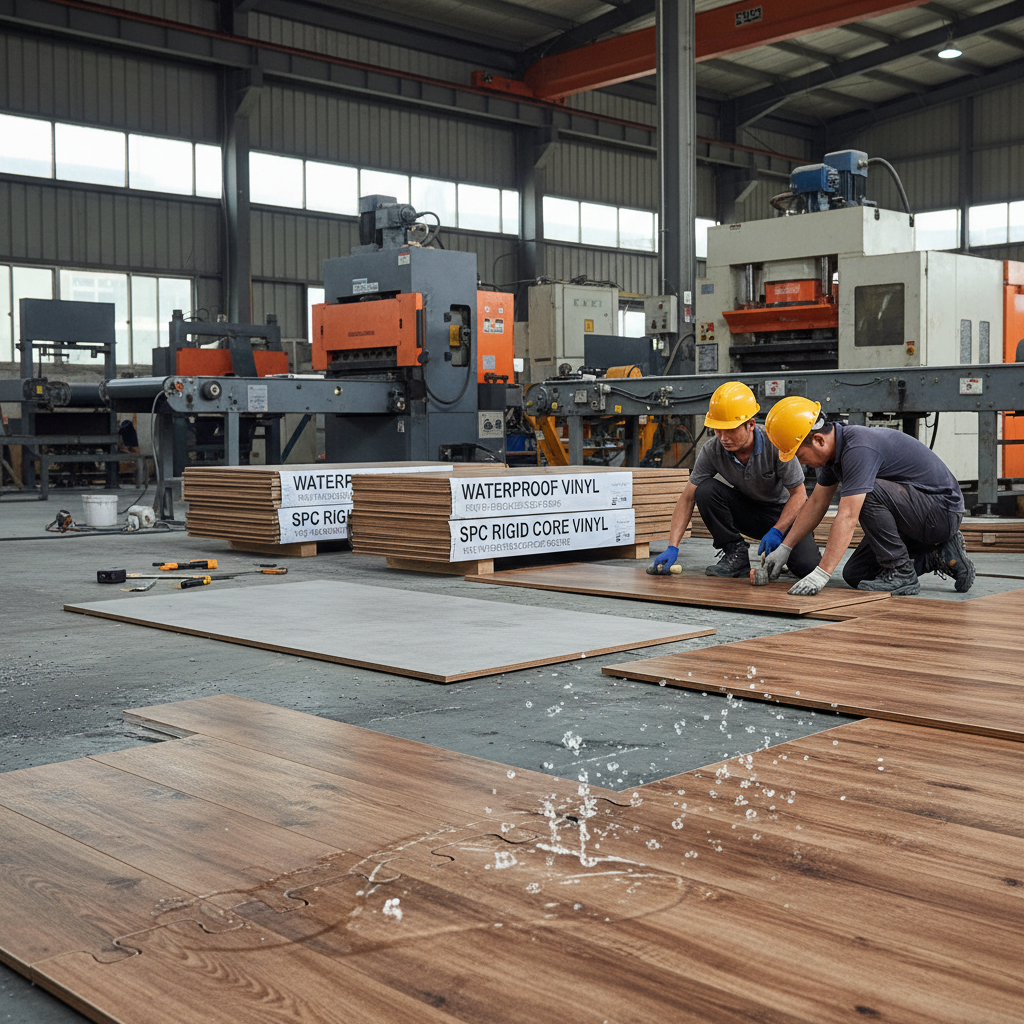 Ultimate Guide to Durable Waterproof SPC Rigid Core Vinyl FlooringChoosing the right flooring for a modern home or commercial space requires a balance between aesthetics and endurance. waterproof spc rigid core vinyl has emerged as a game-changer in the interior design world, offering the timeless look of hardwood with the unmatched resilience of stone polymer composite. Whether you are dealing with high-traffic hallways, moisture-prone bathrooms, or pet-friendly living rooms, this flooring solution provides a stable, waterproof, and scratch-resistant surface. In this comprehensive guide, we will explore why this innovative material is replacing traditional laminate and luxury vinyl planks in contemporary construction.Read More >
Apr 09 2026
-
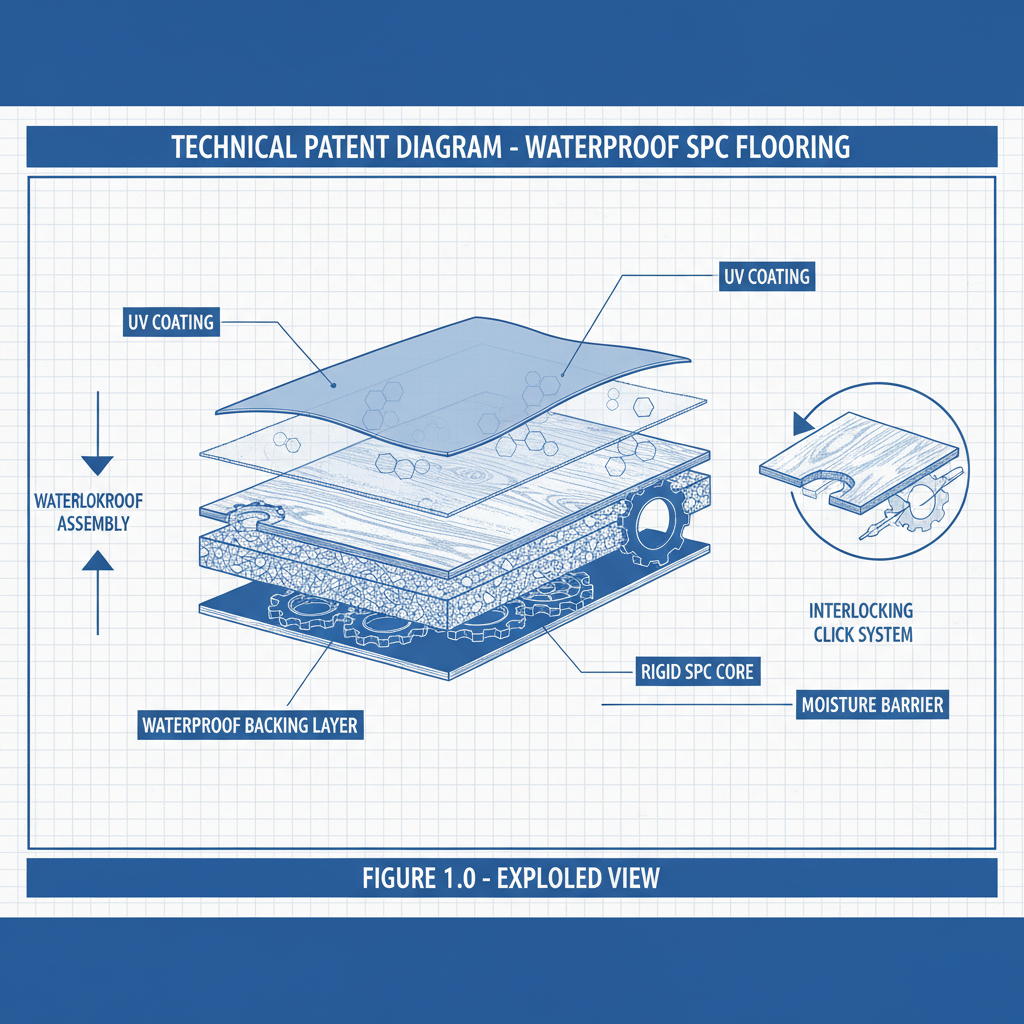 Comprehensive Guide to Waterproof SPC Flooring Durability and InstallationChoosing the right flooring for your home or business is a significant decision. Waterproof SPC flooring has emerged as a popular option due to its durability, affordability, and ease of installation. This article provides an in-depth look at waterproof SPC flooring, covering its benefits, installation process, maintenance, and comparisons with other flooring types. Understanding these aspects will help you determine if SPC flooring is the right choice for your project.Read More >
Apr 07 2026
-
 Discover the Durability and Style of Vinyl SPC Rigid Flooring SolutionsLooking for a durable, waterproof, and stylish flooring solution? Vinyl SPC rigid flooring is quickly becoming the go-to choice for homeowners and businesses alike. This article provides a comprehensive overview of this innovative flooring type, covering its benefits, installation, maintenance, and more. We’ll help you determine if SPC rigid vinyl flooring is the right fit for your project.Read More >
Apr 04 2026
-
 Comprehensive Guide to Durable Vinyl SPC Click Flooring Options and BenefitsChoosing the right flooring for your home or business is a significant decision. Vinyl SPC click flooring has emerged as a popular and durable option, offering a blend of aesthetic appeal and practical benefits. This article will explore the key features, advantages, installation process, and applications of SPC flooring, helping you determine if it's the right choice for your project. From its waterproof nature to its ease of installation, we'll cover everything you need to know.Read More >
Mar 31 2026
 +86 31185293045
  qian@ss711.com

Shijiazhuang Sothink trading Co., LTD.
Our company focuses on product development, production, sales and other all-round services, and is committed to providing customers with high-performance products and high-quality services.