


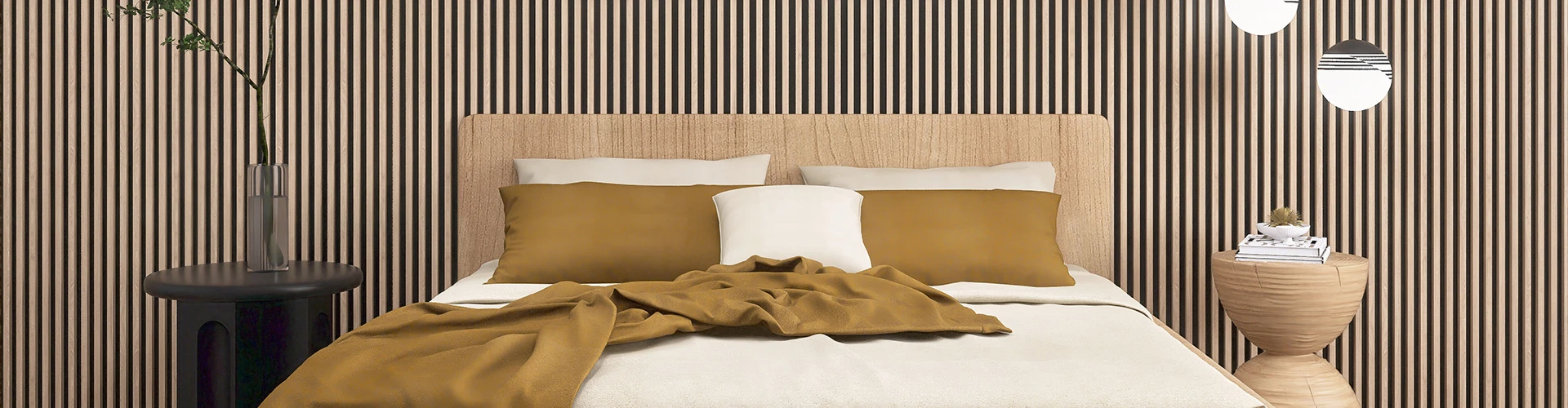
The Ultimate Guide to White Marble Sheets – Elegance Meets Sustainability
The Fascinating World of White Marble Sheets: Why They Matter Globally
White marble sheets—those sleek, naturally elegant surfaces—hold more weight in today's world than just aesthetics. They’re a blend of art, science, and functionality that influence architecture, design, and even humanitarian efforts worldwide. Understanding the versatility behind the humble white marble sheet means appreciating how its durability, timeless beauty, and eco-friendliness impact construction projects, cultural heritage, and modern industry alike.
Globally, white marble is prized not just for looks but as an eco-conscious and lasting material choice. With the global stone market expected to grow steadily, incorporating such materials sensitively can shape sustainable futures in urban development and restoration projects. So, why exactly does this sheet matter? And how do its nuances translate across industries and continents?
White Marble Sheet: A Global Perspective on Usage and Challenges
From the Italian Alps to quarries in India and Turkey, white marble sheets have a geographic story spanning centuries. According to the International Organization for Standardization (ISO), dimension stone (which includes marble sheets) is a staple in sustainable construction and culturally sensitive restoration projects.
Yet, the industry faces challenges: sourcing high-quality slabs without excessive environmental impact, ensuring consistent thickness for large scale applications, and balancing traditional craftsmanship with modern manufacturing techniques. These challenges are increasingly significant, especially as urban sprawl and ecological awareness rise hand in hand.
As the demand for sustainable luxury increases, the white marble sheet stands at a crossroads—offering timeless appeal while needing innovation to meet today's ecological and economic constraints. Here’s where things get interesting.
What Exactly Is a White Marble Sheet?
Simply put, it’s a thin, flat slab of natural white marble, carefully cut and polished for aesthetic and practical use. Unlike raw marble blocks, sheets are processed to uniform thickness and smoothness, making them ideal for surfaces —think countertops, wall panels, flooring, and even decorative art installations.
These sheets connect deeply to modern industry because they combine beauty with robustness. Architects and builders use them not just for looks but also for their ability to endure weather changes, resist scratches, and retain that cool, elegant touch for years. Conversely, from a humanitarian angle, sturdy materials like these can be used in rebuilding efforts where rapid restoration with lasting materials is vital.
Key Features You Should Know About White Marble Sheets
Durability
Despite being a natural stone, white marble sheets offer impressive strength for everyday use. They resist chipping and can last decades if maintained. This makes them excellent in both residential and commercial environments.
Scalability
The sheets come in various sizes and thicknesses—anything from slim, delicate tiles for artistic projects to larger slabs that cover entire walls or floors. This scalability means applications range widely without compromising quality.
Cost Efficiency
While pristine marble can be pricey, sheets optimize material usage, making it easier to plan budgets and reduce waste. Plus, the longevity means fewer replacements down the road, balancing upfront costs with long-term savings.
Sustainability
Marble sheets are 100% natural and recyclable. With responsible quarrying practices and modern polishing technology, many suppliers reduce carbon footprints. This fits cleanly into green building certifications and eco-conscious projects worldwide.
Aesthetic Flexibility
The soft white tone beautifully complements modern and classic designs alike. Variations in veining add uniqueness to each sheet—no two are exactly the same, which is a subtle luxury many designers adore.
Global Use Cases: Where White Marble Sheets Shine
- Europe: Historic restorations (e.g., museums and palaces) often rely on authentic white marble sheets to preserve authenticity while updating structural integrity.
- Middle East: Luxury hotels and shopping centers leverage the cool-reflective quality to reduce HVAC loads, marrying beauty and energy efficiency.
- Asia: In expanding metropolises like Shanghai or Mumbai, marble sheets are part of upscale real estate projects that boost property values and market appeal.
- Humanitarian Relief: Interestingly, in some disaster recovery building projects, white marble sheets serve as protective, hygienic surfaces in temporary clinics or shelters — moving past just luxury use.
It’s these layered applications that make white marble sheets more than mere décor; they’re a convergence of culture, technology, and utility.
Product Specifications of Typical White Marble Sheets
| Specification | Details |
|---|---|
| Material | Natural white marble (calcite-based) |
| Thickness | 10mm - 30mm |
| Dimensions | Varies; common sizes include 2400x1200 mm, 2000x1000 mm |
| Finish | Polished, honed, or leathered |
| Weight | Approx. 25-30 kg/m² depending on thickness |
| Water Absorption |
Comparing Top White Marble Sheet Vendors
| Vendor | Origin | Price Range (per m²) | Eco Certifications | Lead Time |
|---|---|---|---|---|
| Carrara Stone Co. | Italy | $120 - $180 | ISO 14001 | 4-6 weeks |
| Balaji Marbles | India | $70 - $110 | Partial Green Certification | 6-8 weeks |
| Anadol Stone | Turkey | $90 - $140 | ISO 9001 & 14001 | 5-7 weeks |
The Advantages and Long-Term Value of White Marble Sheets
Using white marble sheets isn’t just about showing off elegant design. It’s also a strategic move towards building trust with clients, creating safe and dignified spaces, and reducing the environmental footprint of projects. In fact, projects leveraging these sheets often demonstrate:
- Long-lasting beauty: Never quite goes out of style, meaning renovations focus on tweaking rather than replacing.
- Social impact: Rehabilitated public spaces and hospitals use these sheets to create calming, sterile environments that inspire confidence.
- Reliability: Their resistance to wear helps reduce maintenance, which is crucial for institutions and residential complexes alike.
- Sustainability: Natural stone has a surprisingly low embodied energy, especially compared to synthetic alternatives.
Oddly enough, the psychological effect of walking on cool, smooth marble elevates wellbeing—an intangible benefit in places like hotels or museums. So, it’s not just stone; it’s experience.
Upcoming Trends and Innovations
The future of white marble sheets is exciting. Beyond traditional quarrying, advancements include:
- Engineered Marble Sheets: Combining natural stone powder with resins for thinner, lighter, yet strong panels.
- 3D Printing & CNC Machining: Allows intricate designs and rapid prototyping for tailored applications.
- Green Quarrying Practices: Enhanced water recycling and reduced emissions in extraction.
- Smart Surfaces: Embedded sensors that could detect temperature changes or wear—though still niche, this tech hints at a new era.
Digital transformation is also streamlining global ordering and supply chains, making white marble sheet imports or procurement more accessible than ever.
Challenges & Emerging Solutions
Of course, using white marble sheets isn’t without hurdles. Common issues include:
- Fragility in handling: Despite overall durability, improper transport leads to breakage.
- Huge energy consumption: Quarrying and polishing can be resource-intensive.
- Cost barriers: Not all budgets can stretch to genuine high-quality marble.
Innovative approaches, like flexible composite backing layers, improved packaging, and modular panel systems, help mitigate these. Plus, the rise of engineered alternatives provides cost-effective, eco-friendlier options without sacrificing the classic look. As more players innovate, I suspect we’ll see a democratization of marble design.
Frequently Asked Questions About White Marble Sheets
Q1: How do I choose the right thickness of a white marble sheet for my project?
A1: Thickness depends on application and structural needs. For countertop surfaces, 20-30mm is common due to durability, while wall cladding might use thinner 10-15mm sheets. Always check manufacturer specs and local building codes.
Q2: Are white marble sheets environmentally sustainable compared to synthetic alternatives?
A2: Generally yes. Natural white marble comes from a finite source but is recyclable and requires no harmful manufacturing chemicals. However, quarry operations can impact the environment, so choosing vendors with ISO 14001 or similar certifications helps ensure lower ecological footprints.
Q3: Can white marble sheets be used outdoors in harsh climates?
A3: Absolutely, but treated and sealed sheets perform best outdoors to resist staining and weather erosion. Polished finishes might become slippery or faded under extreme conditions, so a honed or textured finish is often recommended.
Q4: How can international buyers ensure authenticity when purchasing white marble sheets?
A4: Trustworthy vendors provide certificates of origin, standardized grading, and consistent samples. Working with established suppliers who offer traceability will minimize risk of counterfeit or substandard products.
Q5: What maintenance do white marble sheets require?
A5: Routine cleaning with pH-neutral cleansers preserves shine. Sealants might need reapplication every 1-2 years depending on use. Avoid acidic cleaners that can etch the surface.
Wrapping Up: Why a White Marble Sheet Deserves a Spot in Your Projects
White marble sheets blend a century-spanning elegance with pragmatic benefits that ripple across architecture, manufacturing, and humanitarian projects globally. Their naturally enduring quality combined with growing eco-consciousness makes them a remarkable choice for today and tomorrow.
If you’re considering integrating white marble sheets into your workflow—whether for a luxury hotel, a restoration project, or a sustainable building initiative—take a closer look at trusted sources and modern innovations. It’s more than just stone. It’s a legacy in every slab, a story of durability, beauty, and potential. Want to explore top-quality options? Visit our website to see the latest selections and innovations in white marble sheets.
Mini Takeaways
- White marble sheets marry sustainability with timeless style.
- Durability and scalability make them versatile across industries.
- Modern tech and supply chain improvements ease challenges like cost and fragility.
- Choosing certified vendors reduces environmental impact and guarantees quality.
References
-
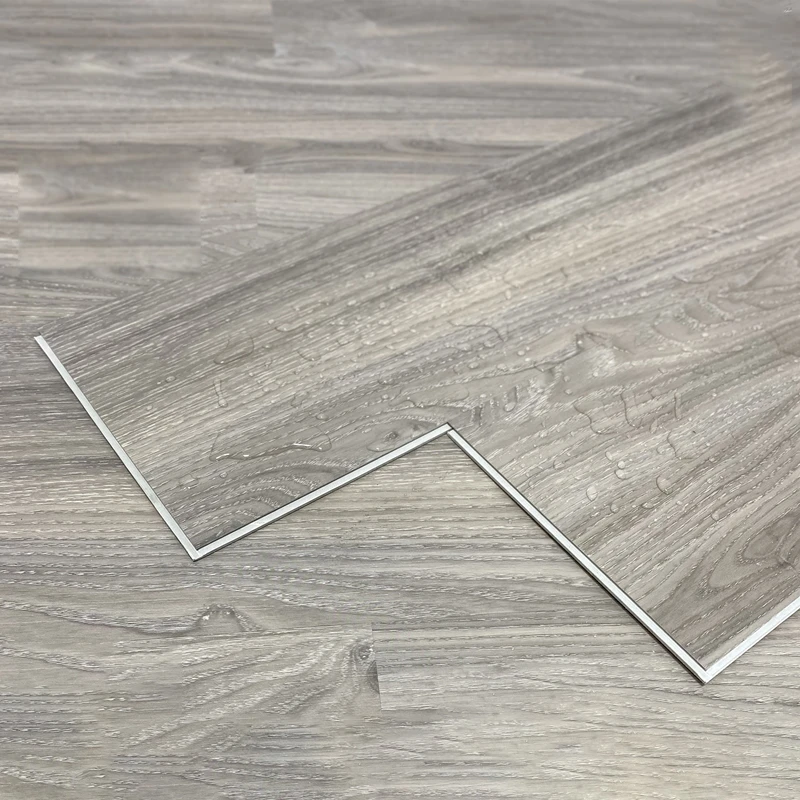
 Ultimate Guide to Durable Waterproof SPC Vinyl Flooring StyleWhen renovating a modern home or commercial space, the flooring choice often defines the entire atmosphere. waterproof spc vinyl flooring has emerged as a revolutionary solution for those who refuse to compromise between aesthetic elegance and rugged performance. Standing for Stone Plastic Composite, SPC flooring is engineered to withstand the toughest environments, from moisture-prone bathrooms to high-traffic living rooms. In this comprehensive guide, we will explore why this material is dominating the interior design market and how it can transform your space into a sanctuary of style and resilience.Read More >
Apr 16 2026
-
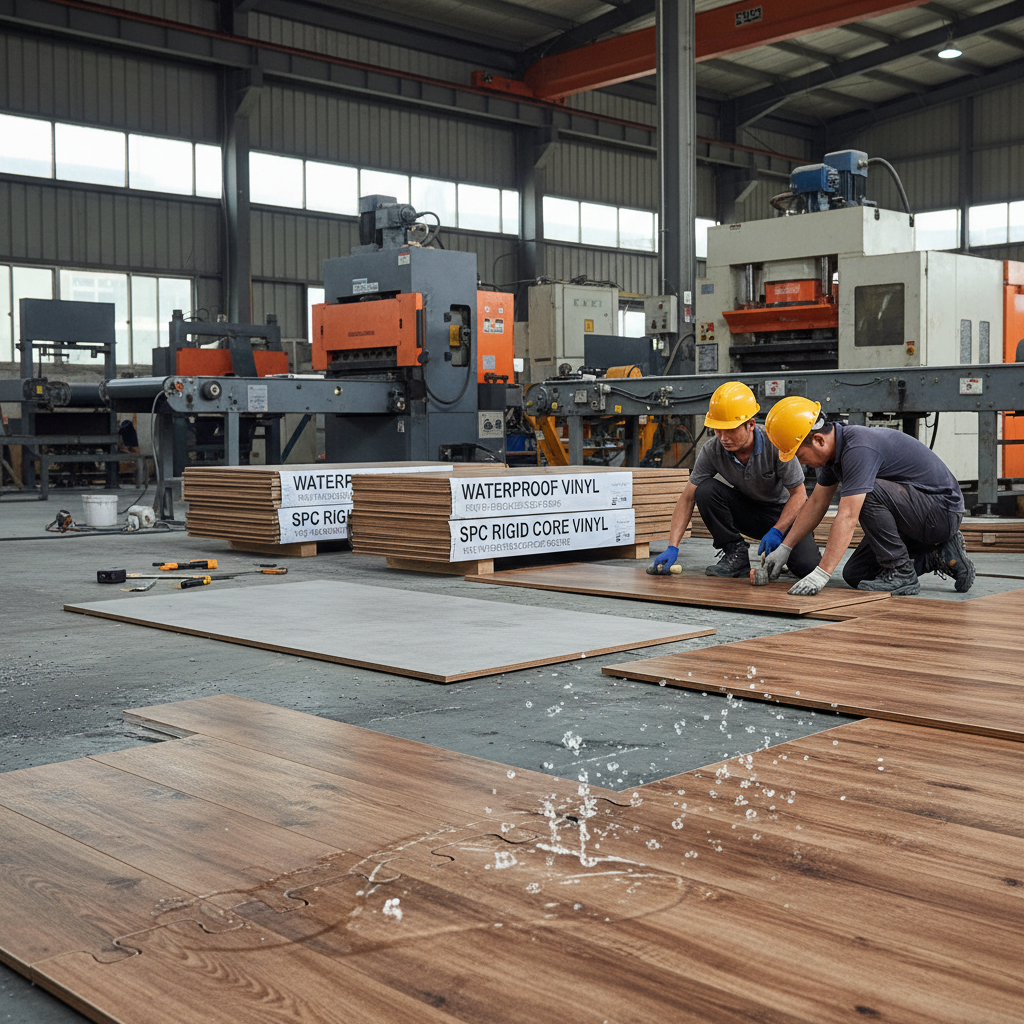 Ultimate Guide to Durable Waterproof SPC Rigid Core Vinyl FlooringChoosing the right flooring for a modern home or commercial space requires a balance between aesthetics and endurance. waterproof spc rigid core vinyl has emerged as a game-changer in the interior design world, offering the timeless look of hardwood with the unmatched resilience of stone polymer composite. Whether you are dealing with high-traffic hallways, moisture-prone bathrooms, or pet-friendly living rooms, this flooring solution provides a stable, waterproof, and scratch-resistant surface. In this comprehensive guide, we will explore why this innovative material is replacing traditional laminate and luxury vinyl planks in contemporary construction.Read More >
Apr 09 2026
-
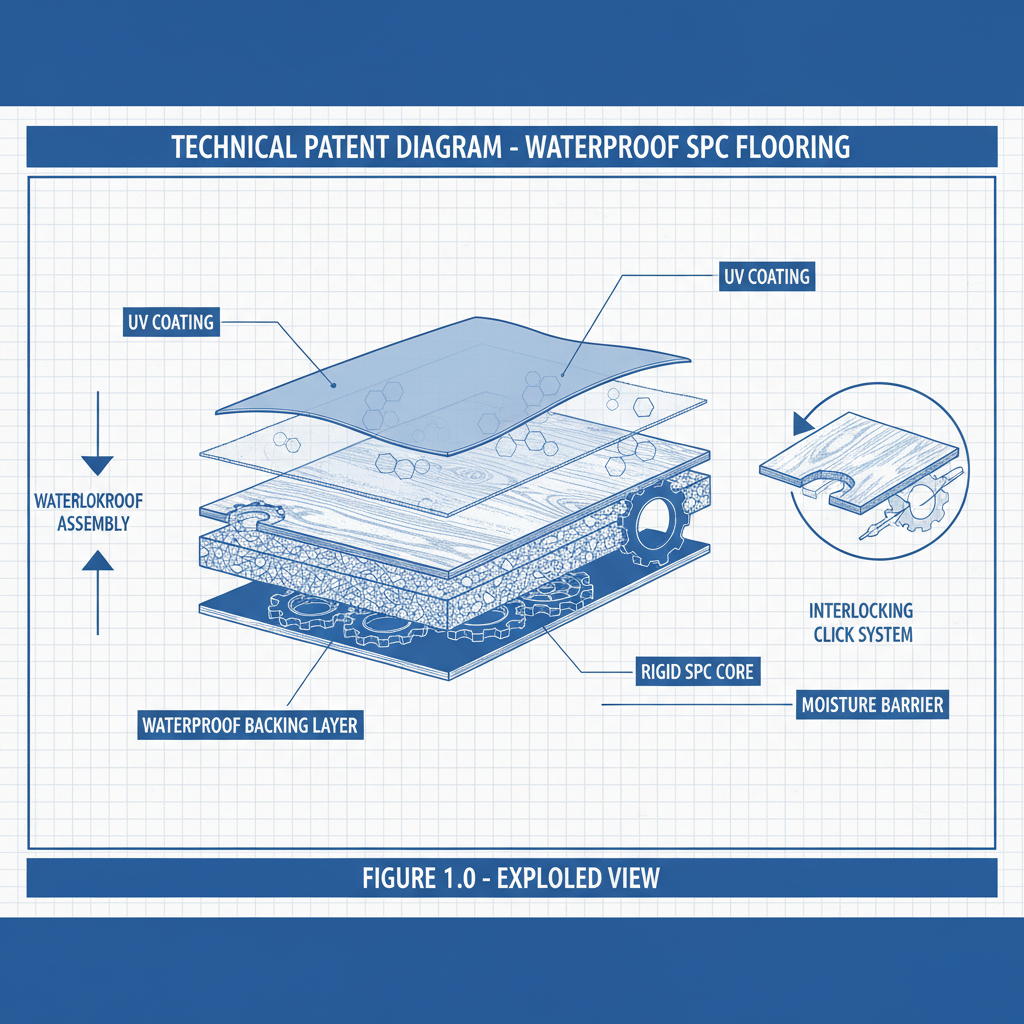 Comprehensive Guide to Waterproof SPC Flooring Durability and InstallationChoosing the right flooring for your home or business is a significant decision. Waterproof SPC flooring has emerged as a popular option due to its durability, affordability, and ease of installation. This article provides an in-depth look at waterproof SPC flooring, covering its benefits, installation process, maintenance, and comparisons with other flooring types. Understanding these aspects will help you determine if SPC flooring is the right choice for your project.Read More >
Apr 07 2026
-
 Discover the Durability and Style of Vinyl SPC Rigid Flooring SolutionsLooking for a durable, waterproof, and stylish flooring solution? Vinyl SPC rigid flooring is quickly becoming the go-to choice for homeowners and businesses alike. This article provides a comprehensive overview of this innovative flooring type, covering its benefits, installation, maintenance, and more. We’ll help you determine if SPC rigid vinyl flooring is the right fit for your project.Read More >
Apr 04 2026
-
 Comprehensive Guide to Durable Vinyl SPC Click Flooring Options and BenefitsChoosing the right flooring for your home or business is a significant decision. Vinyl SPC click flooring has emerged as a popular and durable option, offering a blend of aesthetic appeal and practical benefits. This article will explore the key features, advantages, installation process, and applications of SPC flooring, helping you determine if it's the right choice for your project. From its waterproof nature to its ease of installation, we'll cover everything you need to know.Read More >
Mar 31 2026
 +86 31185293045
  qian@ss711.com

Shijiazhuang Sothink trading Co., LTD.
Our company focuses on product development, production, sales and other all-round services, and is committed to providing customers with high-performance products and high-quality services.