


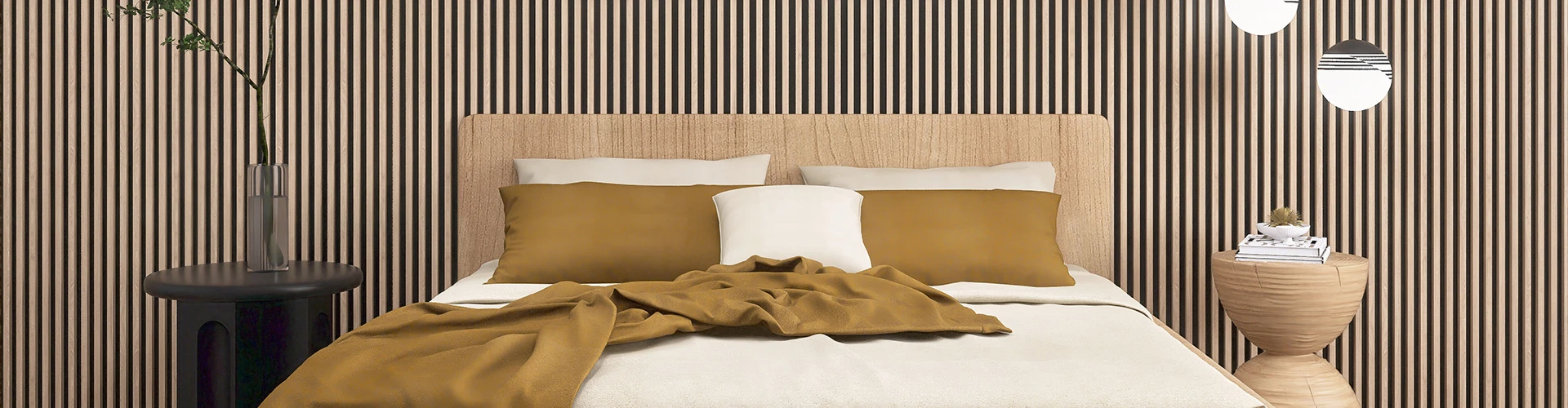
SPC PVC Flooring: Durable, Waterproof, and Sustainable Flooring Solutions
Understanding SPC PVC Flooring: A Modern Solution for Durable, Sustainable Surfaces
SPC PVC flooring — a somewhat technical term, but one that’s increasingly grabbing attention worldwide. Why? Because surfaces matter: in homes, offices, hospitals, and even emergency shelters, having flooring that’s tough, reliable, and eco-friendly isn’t just a luxury anymore; it’s essential. Understanding SPC PVC flooring and what it offers can shape choices for construction, renovation, and large-scale infrastructural projects across the globe.
Introduction: Why SPC PVC Flooring Is Gaining Global Importance
Global urbanization and infrastructure expansion mean flooring demands are rising exponentially. According to the United Nations, over 55% of the world’s population now lives in urban areas — a number projected to go over 68% by 2050 (UN, 2018). This drives a need for flooring materials that combine practicality with sustainability. SPC PVC flooring answers this call by offering a resilient, cost-effective alternative to traditional surfaces like wood or ceramic tiles.
Yet, challenges persist: traditional flooring often struggles in damp or high-traffic environments, or comes with hefty installation and maintenance costs. That’s where SPC PVC flooring proves its mettle — it’s waterproof, highly durable, and relatively easy to maintain.
What Exactly Is SPC PVC Flooring?
SPC stands for Stone Plastic Composite, while PVC means Polyvinyl Chloride. Put together, SPC PVC flooring is a type of rigid vinyl flooring combining limestone and stabilizers within a vinyl compound. The result? A super-dense core that gives the flooring exceptional strength and waterproof qualities — unlike ordinary vinyl floors that might flex or dent.
It fits well into modern industry needs—whether in commercial real estate, healthcare, or even disaster relief setups—because it’s versatile, easy to transport, and quick to install. Basically, SPC PVC flooring is all about marrying durability and style in a cost-conscious, eco-friendlier way.
Key Factors of SPC PVC Flooring
1. Durability and Wear Resistance
SPC PVC floors can withstand heavy foot traffic, scratches, and impacts. The stone plastic composite core ensures it won’t crack or swell when exposed to moisture or temperature changes — a huge deal for both residential and industrial spaces.
2. Waterproof and Moisture Resistance
With waterproof properties, SPC PVC flooring is ideal for areas prone to humidity or spills — think kitchens, bathrooms, or even outdoor patios. It can resist warping unlike wood alternatives, which often buckle when damp.
3. Ease of Installation
Many brands offer click-lock designs or glue-down systems that allow relatively quick, DIY-friendly installation. For commercial projects, this reduces labor time and cost.
4. Cost Efficiency
Compared to hardwood or natural stone, SPC PVC flooring is much more affordable upfront, and maintenance costs tend to be minimal. It’s often favored in budget-conscious projects without sacrificing quality.
5. Environmental Considerations
Since SPC uses recycled materials like limestone and involves less volatile substances compared to some other plastics, it comes with a reduced environmental impact, especially when sourced from reputable manufacturers adhering to sustainability certifications.
6. Aesthetic Versatility
This flooring can mimic natural wood or stone patterns with high-definition printing, offering wide style choices for designers and homeowners alike.
| Feature | Specification |
|---|---|
| Core Material | Calcium Carbonate + PVC |
| Thickness | 3.0 - 8.0 mm |
| Wear Layer Thickness | 0.3 - 0.7 mm |
| Dimensions | 1220 x 180/220 mm (typical) |
| Water Resistance | 100% |
| Installation Type | Click locking system / Glue down |
Where Is SPC PVC Flooring Used Around the World?
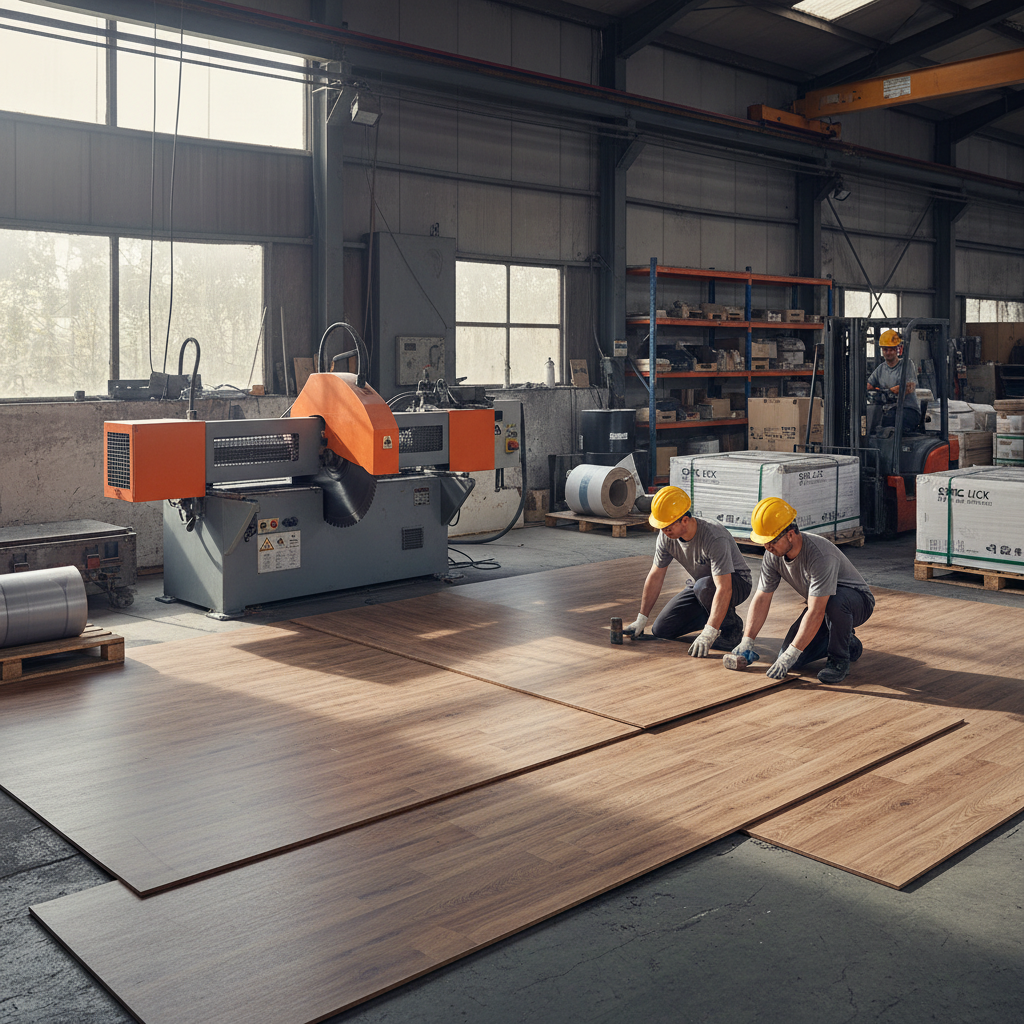
SPC PVC flooring isn’t limited to just fancy residential apartments; it’s everywhere in real terms. In Europe’s commercial hubs, the slip-resistant, easy-clean surfaces are favored in retail and healthcare facilities. In Asia, burgeoning urban centers deploy SPC flooring in both new office towers and large shopping malls.
Oddly enough, NGOs also utilize this flooring for temporary housing and clinics in disaster zones because it balances rapid installation with hygiene. Remote industrial zones where moisture or rough environments prevail find SPC PVC flooring a practical choice given its waterproof nature.
I once visited a post-flood relief center where workers spoke about how flooring replaced flooded wooden options within days — truly a small but important relief factor.
Advantages & Long-Term Value of SPC PVC Flooring
- Cost Savings: Less need for repairs, and quick installation means reduced labor expenses.
- Longevity: SPC floors can last 15-20 years under normal use, offering lower total cost of ownership.
- Sustainability: Many manufacturers now align with ISO environmental standards, emphasizing recycled content and low VOC emissions.
- Safety & Comfort: Surfaces are often slip-resistant and quieter underfoot than hard stone, adding to user comfort.
- Emotional Impact: Quality, aesthetically pleasing floors contribute to a sense of dignity and well-being in homes and workplaces.
Looking Forward: Trends & Innovations in SPC PVC Flooring
Technology doesn’t stay still. We’re seeing SPC flooring integrated with digital tools for better quality control during manufacturing. There’s growing interest in bio-based PVC alternatives, aiming to further reduce environmental footprints. Moreover, automation in production lines is improving consistency and lowering costs.
From a sustainability angle, governments in Europe and North America are pushing for flooring materials that adhere to stricter environmental regulations, which SPC manufacturers are beginning to embrace.
Challenges & How Experts Are Tackling Them
One limitation is heat sensitivity — SPC flooring can expand slightly in very high temperatures, creating minor gaps if not installed properly. Expert installers advise acclimating the planks before installation and using proper expansion gaps.
There’s also concern about PVC’s environmental impact, but ongoing research into recycling and reuse is promising, with some vendors offering take-back programs.
| Vendor | Wear Layer | Installation | Environmental Certification | Price Range (per m²) |
|---|---|---|---|---|
| Sothink Decor | 0.55 mm | Click Lock | ISO 14001 | $18 - $25 |
| VinylPro | 0.3 mm | Glue Down | None | $12 - $20 |
| EcoFloor | 0.7 mm | Click Lock | FSC / ISO 14001 | $22 - $30 |
Frequently Asked Questions About SPC PVC Flooring
- What is SPC PVC flooring best used for?
- SPC PVC flooring is ideal for high traffic, moisture-prone areas such as kitchens, bathrooms, commercial spaces, and even temporary housing. Its durability and waterproof qualities make it versatile across many environments.
- How long does SPC PVC flooring typically last?
- When properly installed and maintained, SPC PVC flooring can last 15 to 20 years, comparable or superior to many hardwood or laminate options.
- Is SPC PVC flooring eco-friendly?
- While it’s made with plastics, many manufacturers now use recycled materials and comply with environmental standards such as ISO 14001, improving its sustainability profile.
- Can I install SPC PVC flooring myself?
- Many SPC floors feature click-lock installation systems intended for DIY projects. However, for commercial or large-scale projects, professional installation is recommended.
- Where can I buy quality SPC PVC flooring?
- Reliable suppliers include Sothink Decor and other reputable vendors offering certifications and warranties. Always check for wear layer thickness and environmental compliance.
Conclusion: Why SPC PVC Flooring Is a Smart Long-Term Choice
In a nutshell, SPC PVC flooring blends durability, environmental sensibility, and aesthetic versatility in a package that suits modern demands. It addresses common flooring frustrations like warping, high maintenance, and cost. As cities grow and industries prioritize sustainability, understanding and choosing SPC PVC flooring is not just smart — it’s forward-thinking.
Interested in upgrading your space with reliable flooring? Explore more at Sothink Decor’s range of SPC PVC flooring and see what modern flooring solutions could do for your projects.
Mini takeaway: SPC PVC flooring is shaping the future of flooring with practical utility and eco-conscious design in tandem — a choice worth considering thoughtfully.
References:
1. United Nations, World Urbanization Prospects, 2018
2. ISO Environmental Management Standards, iso.org
3. Flooring Industry Insights, Floor Covering Weekly, 2023
-
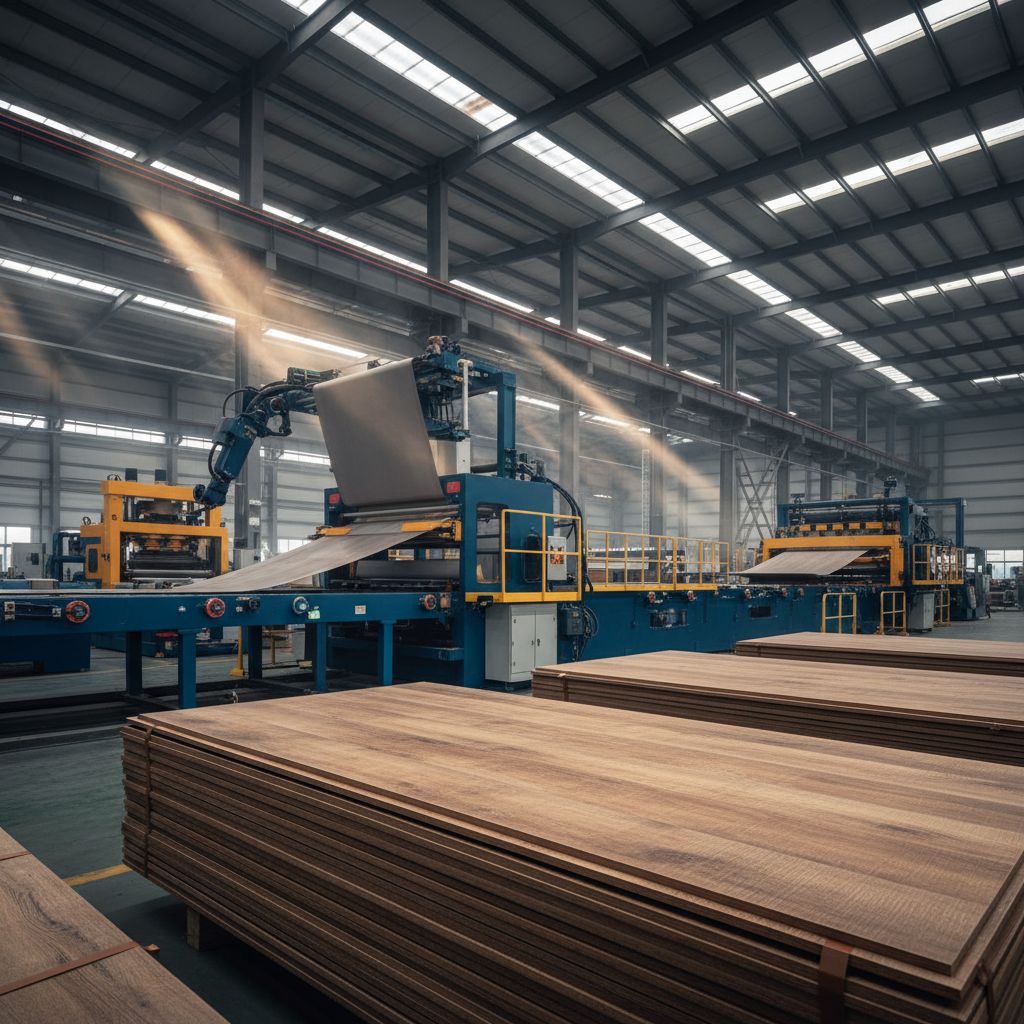 Ultimate Guide to Durable Waterproof SPC Vinyl Flooring StyleWhen renovating a modern home or commercial space, the flooring choice often defines the entire atmosphere. waterproof spc vinyl flooring has emerged as a revolutionary solution for those who refuse to compromise between aesthetic elegance and rugged performance. Standing for Stone Plastic Composite, SPC flooring is engineered to withstand the toughest environments, from moisture-prone bathrooms to high-traffic living rooms. In this comprehensive guide, we will explore why this material is dominating the interior design market and how it can transform your space into a sanctuary of style and resilience.Read More >
Apr 16 2026
-
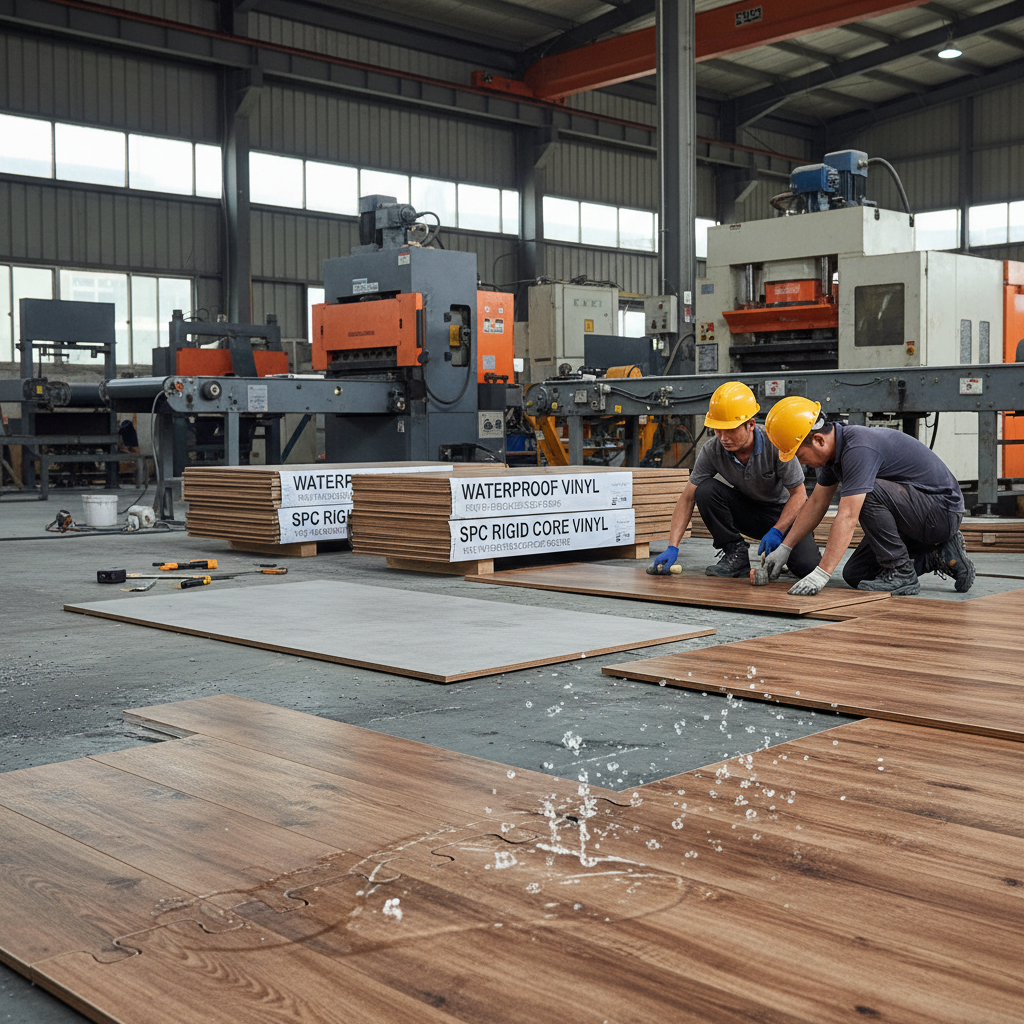 Ultimate Guide to Durable Waterproof SPC Rigid Core Vinyl FlooringChoosing the right flooring for a modern home or commercial space requires a balance between aesthetics and endurance. waterproof spc rigid core vinyl has emerged as a game-changer in the interior design world, offering the timeless look of hardwood with the unmatched resilience of stone polymer composite. Whether you are dealing with high-traffic hallways, moisture-prone bathrooms, or pet-friendly living rooms, this flooring solution provides a stable, waterproof, and scratch-resistant surface. In this comprehensive guide, we will explore why this innovative material is replacing traditional laminate and luxury vinyl planks in contemporary construction.Read More >
Apr 09 2026
-
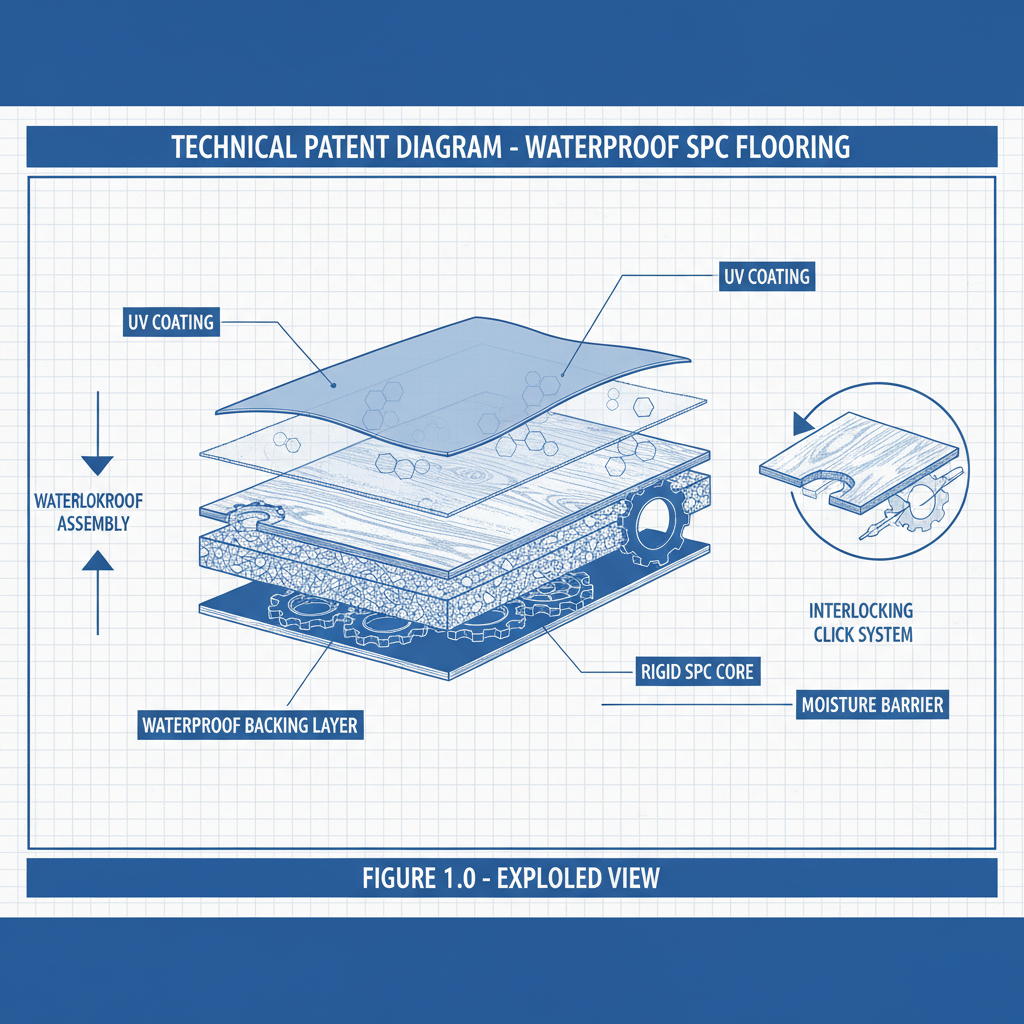 Comprehensive Guide to Waterproof SPC Flooring Durability and InstallationChoosing the right flooring for your home or business is a significant decision. Waterproof SPC flooring has emerged as a popular option due to its durability, affordability, and ease of installation. This article provides an in-depth look at waterproof SPC flooring, covering its benefits, installation process, maintenance, and comparisons with other flooring types. Understanding these aspects will help you determine if SPC flooring is the right choice for your project.Read More >
Apr 07 2026
-
 Discover the Durability and Style of Vinyl SPC Rigid Flooring SolutionsLooking for a durable, waterproof, and stylish flooring solution? Vinyl SPC rigid flooring is quickly becoming the go-to choice for homeowners and businesses alike. This article provides a comprehensive overview of this innovative flooring type, covering its benefits, installation, maintenance, and more. We’ll help you determine if SPC rigid vinyl flooring is the right fit for your project.Read More >
Apr 04 2026
-
 Comprehensive Guide to Durable Vinyl SPC Click Flooring Options and BenefitsChoosing the right flooring for your home or business is a significant decision. Vinyl SPC click flooring has emerged as a popular and durable option, offering a blend of aesthetic appeal and practical benefits. This article will explore the key features, advantages, installation process, and applications of SPC flooring, helping you determine if it's the right choice for your project. From its waterproof nature to its ease of installation, we'll cover everything you need to know.Read More >
Mar 31 2026
 +86 31185293045
  qian@ss711.com

Shijiazhuang Sothink trading Co., LTD.
Our company focuses on product development, production, sales and other all-round services, and is committed to providing customers with high-performance products and high-quality services.