


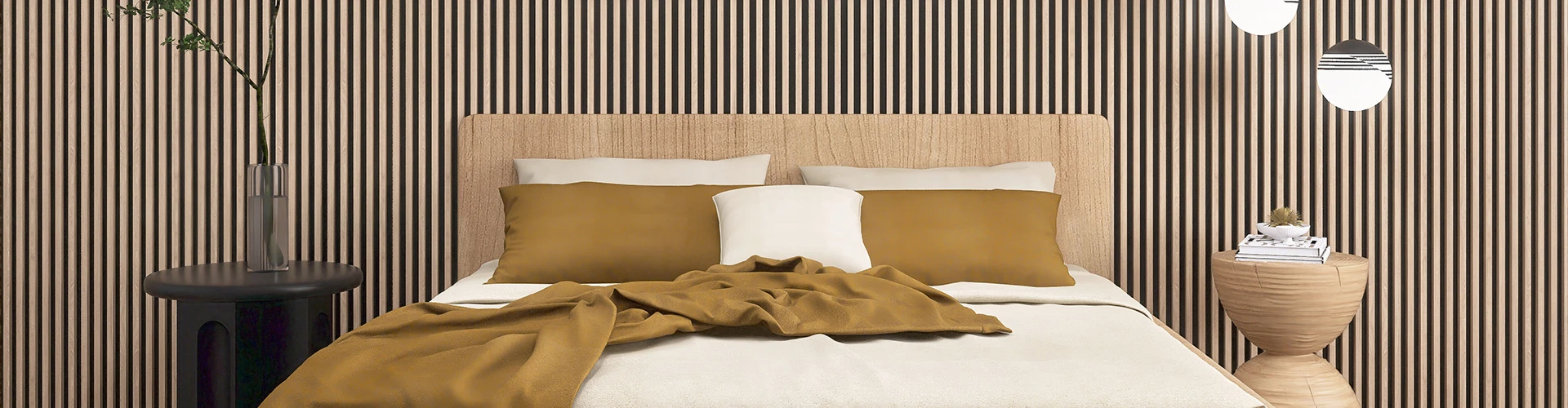
What is SPC Stone Flooring? Durable and Eco-Friendly Flooring Solutions Explained
SPC Stone Flooring: Durable, Stylish, and Built for the Future
When you first hear SPC stone flooring, you might wonder if it’s just another flooring fad. But frankly, this resilient flooring technology is quietly reshaping how industries and homeowners think about durable surfaces globally. With sustainability and cost-efficiency becoming more crucial worldwide, understanding what SPC stone flooring is and why it matters helps us appreciate how smart materials are transforming construction and renovation projects.
Introduction: Why SPC Stone Flooring is Gaining Global Attention
On a global scale, flooring materials account for a substantial part of building sustainability efforts. According to the United Nations Environmental Programme (UNEP), buildings generate over 30% of global CO2 emissions, a large chunk influenced by materials used including flooring. Oddly enough, traditional choices like hardwood and ceramic tiles, while attractive, can involve high production energy or expensive maintenance.
Enter SPC stone flooring—a modern alternative combining longevity and stability with surprisingly low environmental impact, meeting challenges that many countries and urban planners face today. With rising urbanization and extreme weather events, materials that offer rapid installation, high durability, and ease of maintenance are becoming essential — whether in bustling metro areas or remote industrial zones.
What Exactly is SPC Stone Flooring?
To put it simply, SPC (Stone Plastic Composite) stone flooring is a type of rigid core vinyl flooring that incorporates limestone powder mixed with PVC for enhanced durability and stability. Think of it as a smart fusion of stone’s toughness and vinyl’s moisture resistance, creating a surface that is stable, easier to install, and less prone to expansion or contraction than traditional vinyl or laminate floors.
It fits perfectly into the modern building industry’s demand for sustainable materials that perform well under stress, especially in high-traffic commercial spaces or homes in humid climates. Beyond aesthetics, SPC stone flooring also aligns with goals to reduce waste and improve the lifespan of floor coverings across the globe.
Key Characteristics of SPC Stone Flooring
1. Durability and Stability
SPC flooring boasts a very rigid core, making it highly resistant to dents, impacts, and warping. This rigidity means it maintains flatness better than conventional vinyl, important in environments experiencing temperature fluctuations.
2. Moisture Resistance
Unlike hardwood, moisture is rarely an issue — SPC tolerates humidity and spills without swelling. This makes it suitable for kitchens, basements, and even some commercial wet areas.
3. Ease of Installation
Thanks to its click-lock systems, many SPC products are DIY-friendly and don’t require adhesive. Quick installation reduces labor costs and disturbance — big wins for busy renovation projects.
4. Cost Efficiency
While not the cheapest upfront, SPC’s durability reduces long-term replacement and maintenance expenses. It’s a practical investment that balances budget and life cycle value.
5. Aesthetic Flexibility
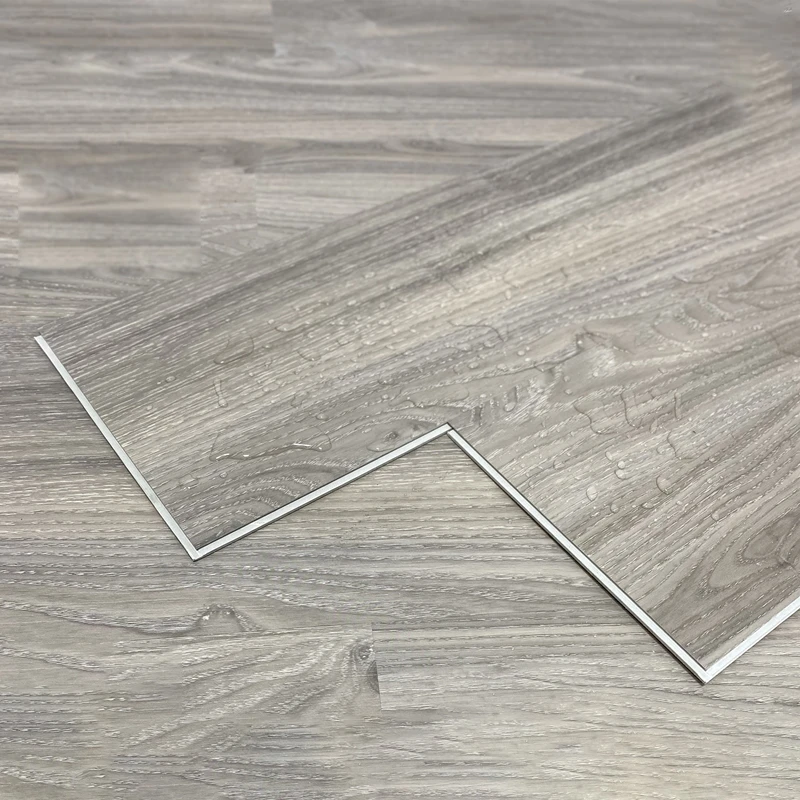
Technological advances allow SPC flooring to mimic natural stone, wood, and other textures so convincingly that even discerning architects find it appealing for both modern and classic designs.
SPC Stone Flooring Product Specifications
| Specification | Typical Value | Comments |
|---|---|---|
| Core Material | Limestone, PVC | Rigorously tested for stability |
| Thickness | 4mm - 8mm | Varies by product line |
| Wear Layer | 0.3mm - 0.7mm | Higher layer means better scratch resistance |
| Water Resistance | 100% waterproof | Ideal for moist environments |
| Dimensions | 1220mm x 180mm or custom | Standard plank sizes |
Comparing Top Vendors of SPC Stone Flooring
| Vendor | Quality Rating | Price Range | Eco Certification | Warranty |
|---|---|---|---|---|
| Sothink Decor | 9/10 | $3 - $5 / sqft | ISO 14001 Certified | 20 years |
| GreenPlank | 8/10 | $2.5 - $4 / sqft | FSC Certified | 15 years |
| StoneCraft | 7/10 | $3 - $4.5 / sqft | No | 10 years |
Real-World Applications: Where SPC Stone Flooring Shines
You see SPC stone flooring in some unexpected places, honestly. From high-end residential renovations to public libraries, and even in post-disaster relief shelters, its blend of toughness and ease of maintenance makes it highly adaptable. For instance, in Southeast Asia’s flood-prone areas, SPC flooring withstands moisture without warping, providing a much-needed durable solution in regions where traditional flooring would fail.
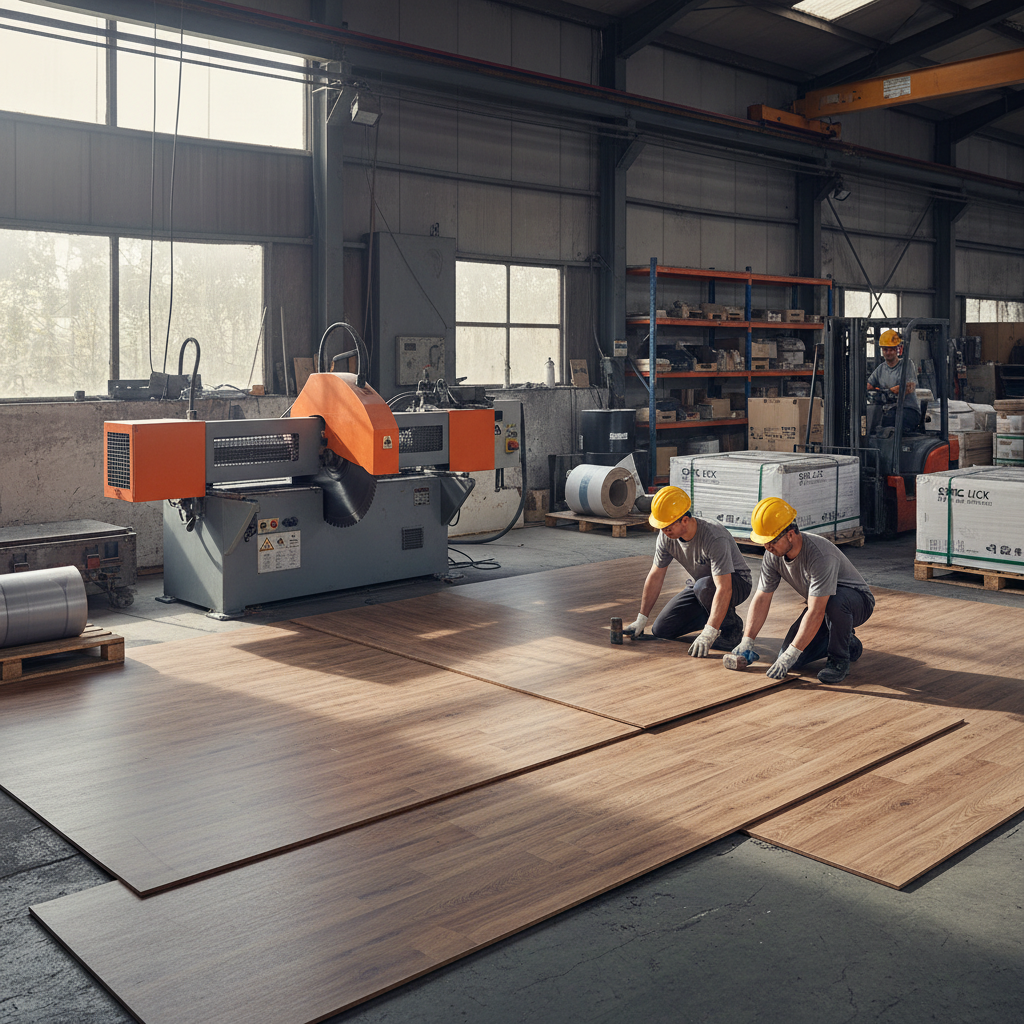
Many industrial zones in Europe and North America favor SPC stone floors because the material tolerates heavy foot and machinery traffic while being quick to install — minimizing downtime. Plus, I found contractors often recommend it for spaces where hygiene is paramount, such as hospitals or food production facilities, given it’s waterproof and easy to clean.
Curious to see more of what SPC stone flooring offers? Check out some inspiring projects at our partner site: spc stone flooring.
Mini takeaway: SPC stone flooring’s versatility makes it an excellent choice for an array of environments globally—from residential sanctuaries to commercial and industrial spaces.Advantages and Long-Term Value of SPC Stone Flooring
- Cost-effective over time: Fewer repairs and longer lifespan save money in the long run.
- Sustainability: Uses recyclable materials and has lower embodied carbon compared to hardwood or ceramic.
- User safety & Comfort: SPC floors have anti-slip properties and a slightly softer feel that reduces fatigue.
- Design with integrity: Its authentic stone or wood visuals bring warmth and elegance without the usual upkeep headaches.
One customer I spoke with told me how installing SPC stone floors in her café created a cozy, welcoming atmosphere—without ongoing worries about spills or wear and tear. That’s exactly where logic meets emotion: the feeling of safety and pride in surroundings you know will last.
The Future: Innovations on the Horizon
Looking ahead, SPC flooring developers are working on integrating even more eco-friendly materials and improving recyclability, matching rising global circular economy standards such as those advocated by ISO 14001. Additionally, innovations like anti-microbial coatings or digital installation guides are beginning to emerge, streamlining both performance and user experience.
Green energy initiatives are also influencing manufacturing processes: solar-powered factories and reduced-VOC (volatile organic compounds) adhesives are pushing these products toward true sustainability. So, the next generation of SPC stone flooring promises to be smarter, greener, and more resilient.
Common Challenges & Smart Solutions
Despite its many strengths, SPC stone flooring does have some hurdles. For example, extreme cold environments can challenge its rigidity, sometimes causing minor cracking. Also, poor installation might lead to joint gaps or uneven surfaces. Fortunately, expert installers and quality control processes help mitigate these issues.
Another concern: where affordability is a major factor, some opt for cheaper SPC products with thinner wear layers — a false economy since it diminishes longevity. Wise buyers look carefully at specs and warranties, which can save them headaches later on.
FAQ: Practical Questions about SPC Stone Flooring
- Is SPC stone flooring suitable for outdoor use?
Generally, it’s designed for indoor applications due to UV resistance limits. Some specialized products may be used on covered patios but aren’t recommended for direct sun or rain exposure. - How long does SPC flooring typically last?
With moderate commercial or residential use, expect 15-25 years depending on wear layer thickness and maintenance. - Can I install SPC flooring myself?
Yes, many products feature click-lock installation systems that are DIY-friendly. However, proper subfloor preparation is essential for a lasting result. - Is SPC stone flooring environmentally friendly?
While it’s a vinyl product, SPC includes natural limestone fillers and is often recyclable, plus it lowers waste due to longevity. Certifications like ISO 14001 can indicate green manufacturing processes. - How does SPC flooring compare with laminate or hardwood?
SPC is more water-resistant and stable than laminate and typically less expensive and easier to maintain than hardwood, making it a practical middle ground.
Conclusion: Why SPC Stone Flooring is a Long-Term Winner
All in all, SPC stone flooring ticks many boxes that modern builders, business owners, and homeowners are looking for: durability, moisture resistance, aesthetic appeal, and environmental responsibility. It’s a material that feels simultaneously practical and progressive.
If you’re considering upgrading your floors or working on a project that demands resilient, stylish surface solutions, do take a look at SPC stone flooring options. As always, good quality and informed installation amplify the benefits.
Ready to explore your SPC flooring possibilities? Visit our website: spc stone flooring for detailed guides, product ranges, and expert advice.
In summary, SPC stone flooring is not just another flooring option—it’s a smart, sustainable solution designed for today’s challenges and tomorrow’s innovations.
References:
1. United Nations Environment Programme (UNEP) – Buildings and Climate Change | unep.org
2. International Organization for Standardization (ISO) 14001 Environmental Management | iso.org
3. SPC Flooring Industry Reports – Various manufacturing standards
-
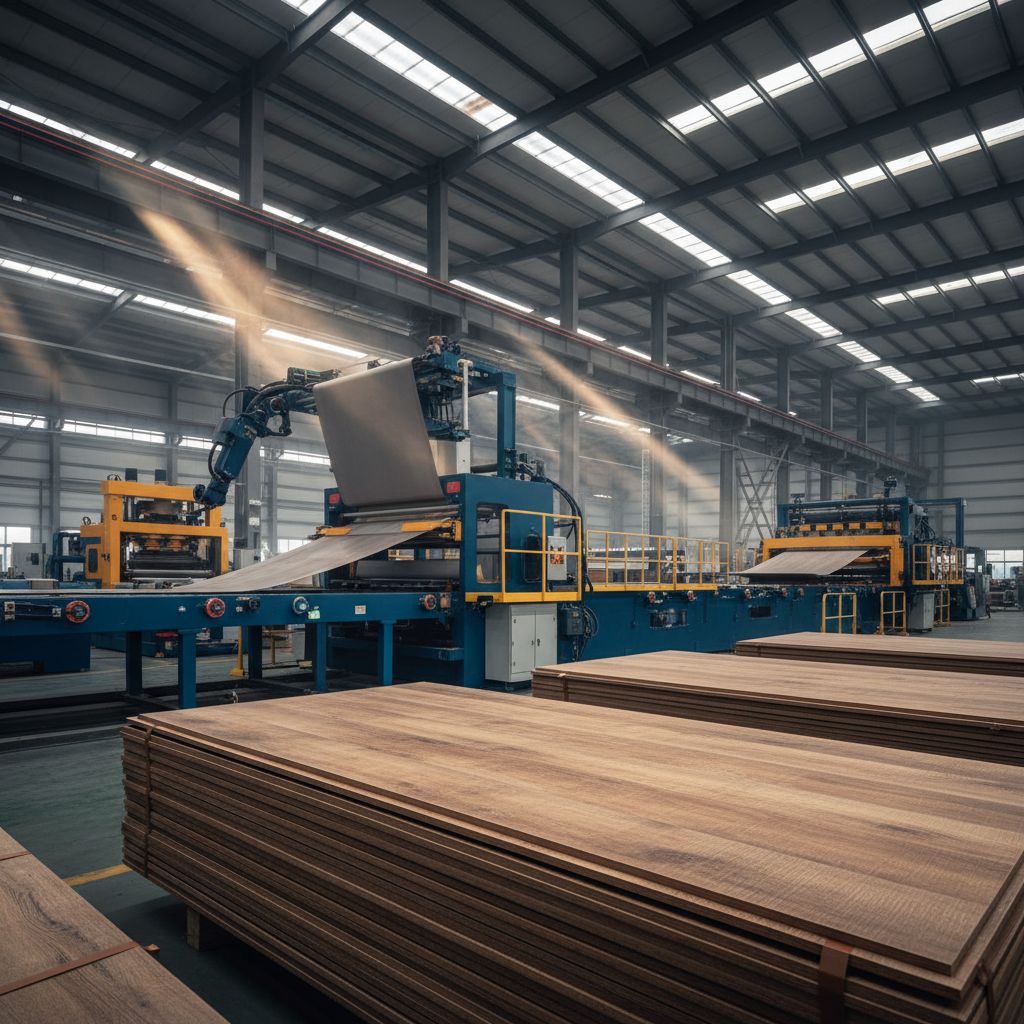 Ultimate Guide to Durable Waterproof SPC Vinyl Flooring StyleWhen renovating a modern home or commercial space, the flooring choice often defines the entire atmosphere. waterproof spc vinyl flooring has emerged as a revolutionary solution for those who refuse to compromise between aesthetic elegance and rugged performance. Standing for Stone Plastic Composite, SPC flooring is engineered to withstand the toughest environments, from moisture-prone bathrooms to high-traffic living rooms. In this comprehensive guide, we will explore why this material is dominating the interior design market and how it can transform your space into a sanctuary of style and resilience.Read More >
Apr 16 2026
-
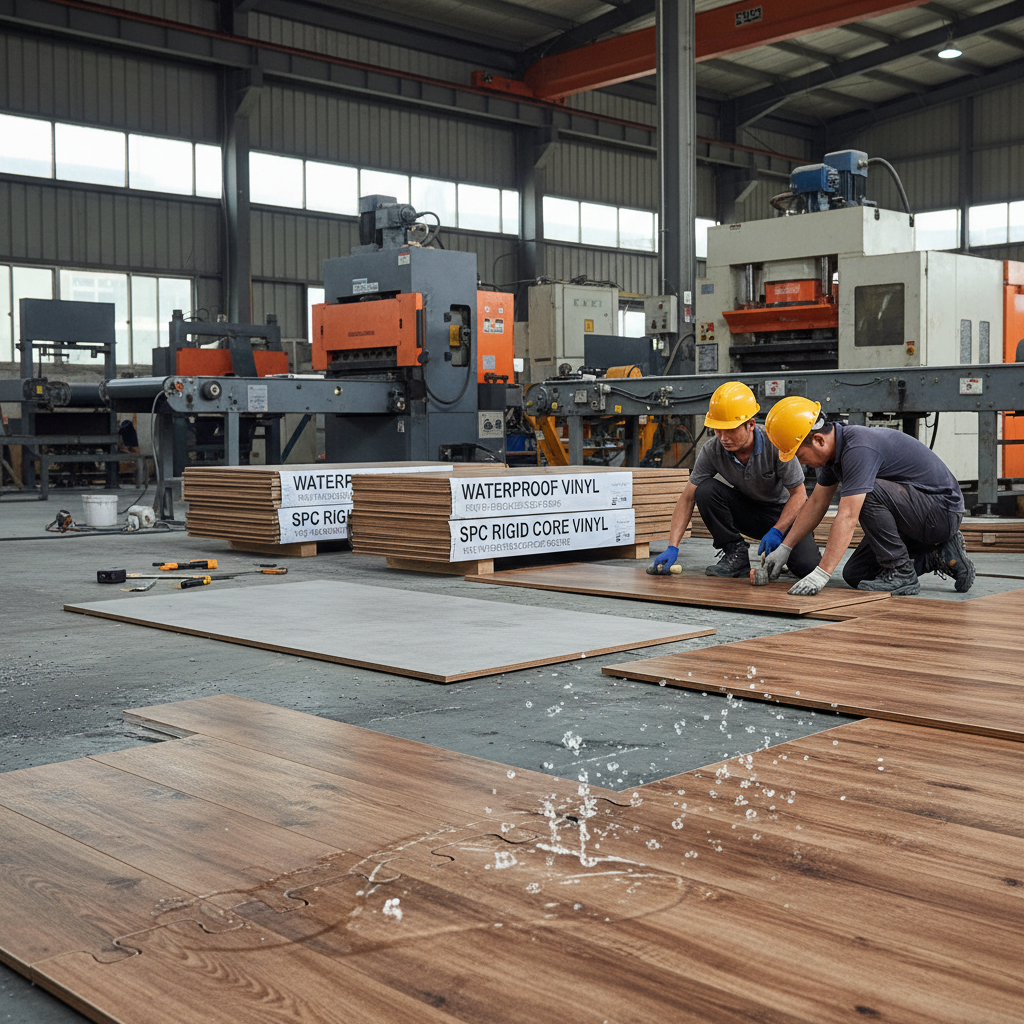 Ultimate Guide to Durable Waterproof SPC Rigid Core Vinyl FlooringChoosing the right flooring for a modern home or commercial space requires a balance between aesthetics and endurance. waterproof spc rigid core vinyl has emerged as a game-changer in the interior design world, offering the timeless look of hardwood with the unmatched resilience of stone polymer composite. Whether you are dealing with high-traffic hallways, moisture-prone bathrooms, or pet-friendly living rooms, this flooring solution provides a stable, waterproof, and scratch-resistant surface. In this comprehensive guide, we will explore why this innovative material is replacing traditional laminate and luxury vinyl planks in contemporary construction.Read More >
Apr 09 2026
-
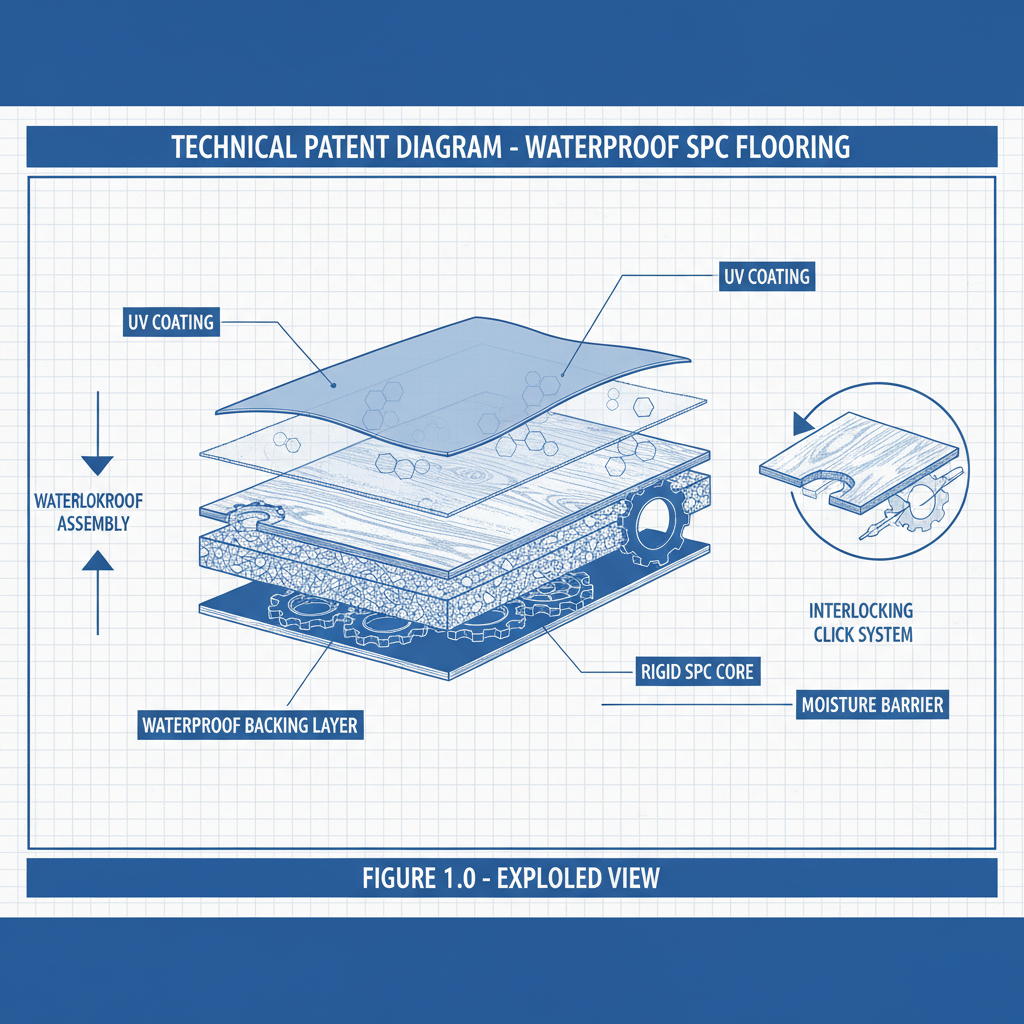 Comprehensive Guide to Waterproof SPC Flooring Durability and InstallationChoosing the right flooring for your home or business is a significant decision. Waterproof SPC flooring has emerged as a popular option due to its durability, affordability, and ease of installation. This article provides an in-depth look at waterproof SPC flooring, covering its benefits, installation process, maintenance, and comparisons with other flooring types. Understanding these aspects will help you determine if SPC flooring is the right choice for your project.Read More >
Apr 07 2026
-
 Discover the Durability and Style of Vinyl SPC Rigid Flooring SolutionsLooking for a durable, waterproof, and stylish flooring solution? Vinyl SPC rigid flooring is quickly becoming the go-to choice for homeowners and businesses alike. This article provides a comprehensive overview of this innovative flooring type, covering its benefits, installation, maintenance, and more. We’ll help you determine if SPC rigid vinyl flooring is the right fit for your project.Read More >
Apr 04 2026
-
 Comprehensive Guide to Durable Vinyl SPC Click Flooring Options and BenefitsChoosing the right flooring for your home or business is a significant decision. Vinyl SPC click flooring has emerged as a popular and durable option, offering a blend of aesthetic appeal and practical benefits. This article will explore the key features, advantages, installation process, and applications of SPC flooring, helping you determine if it's the right choice for your project. From its waterproof nature to its ease of installation, we'll cover everything you need to know.Read More >
Mar 31 2026
 +86 31185293045
  qian@ss711.com

Shijiazhuang Sothink trading Co., LTD.
Our company focuses on product development, production, sales and other all-round services, and is committed to providing customers with high-performance products and high-quality services.