


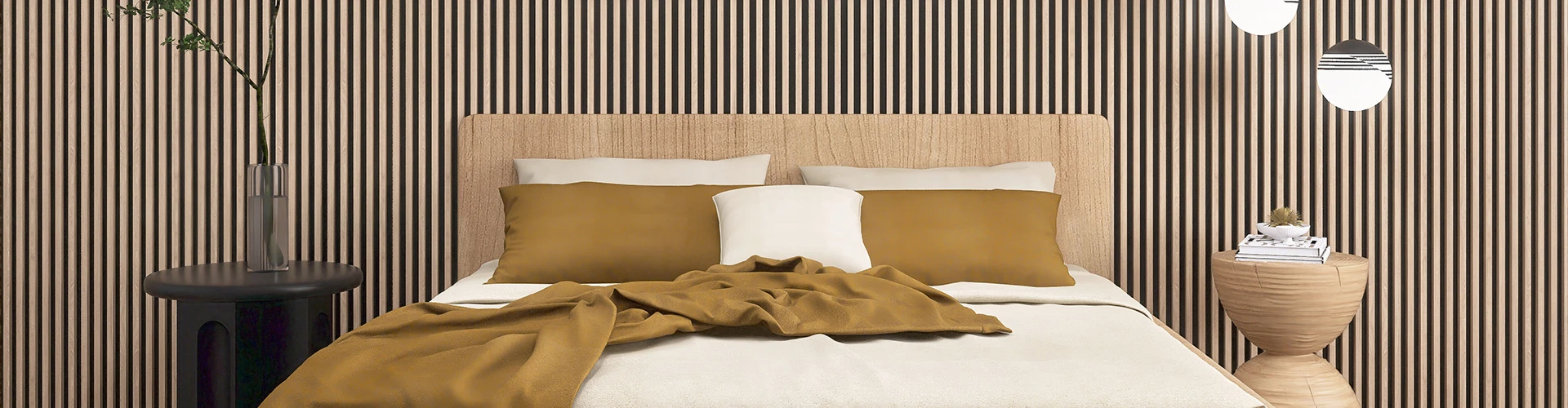
SPC Stone Plastic Composite Explained: Durable, Eco-Friendly Flooring Solutions
Understanding SPC Stone Plastic Composite: The Future of Durable Flooring
When you hear SPC stone plastic composite, it might sound like a mouthful of technical jargon—and, honestly, most people nod and move on. But this material, quietly reshaping the world of flooring and construction, deserves a closer look. It’s more than just a fancy mix; it matters globally because of its durability, environmental impact, and versatility across industries. From modern home interiors to large-scale commercial use, knowing about SPC composites is, frankly, an investment in smarter building choices worldwide.
Introduction: Global and Industry Context
SPC stone plastic composite products have emerged amid a global surge in demand for sustainable and robust materials. According to the International Organization for Standardization, building materials that combine durability with low environmental impact rank high on the list of priorities for the industry. In fact, the global SPC flooring market size is expected to reach USD 9 billion by 2027, primarily driven by urbanization, the rise in commercial construction, and a global push for green building materials.
Yet the challenge remains: traditional flooring materials like hardwood or vinyl often fall short—either prone to damage, costly, or less eco-friendly. SPC stone plastic composite, known for its resilience and water resistance, strides in to solve these problems. It's especially crucial in regions with fluctuating climates or high humidity, where conventional materials just won’t cut it.
What Is SPC Stone Plastic Composite?
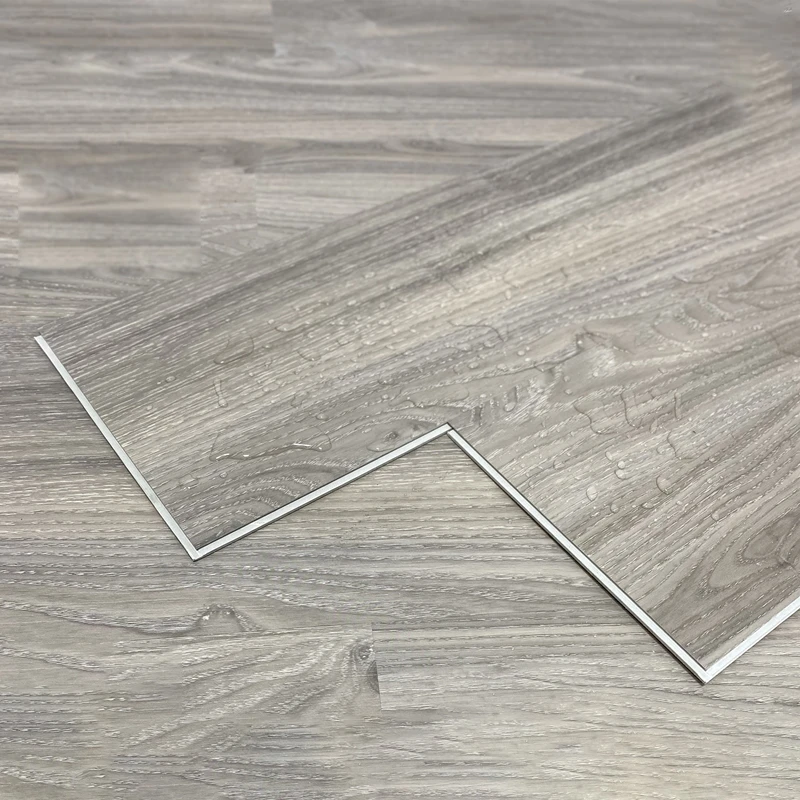
Simply put, SPC stone plastic composite is a rigid core flooring material that fuses limestone powder (the “stone”) with PVC polymers (“plastic”). This combination results in a dense, 100% waterproof product that’s heavier and more durable than standard vinyl flooring. Unlike laminate or normal vinyl, SPC floors don’t swell or warp when exposed to moisture or temperature changes, which makes them a favorite in both residential and commercial settings. It’s kind of the best of both worlds: the aesthetics of wood or stone, with the toughness of advanced plastics.
Key Attributes of SPC Stone Plastic Composite
Durability
SPC flooring boasts incredible toughness. Thanks to the mineral stone core, it withstands heavy foot traffic, scratches, and even dents better than many alternatives. That’s why you’ll often find it in cafés, retail stores, or high-activity offices.
Waterproof & Moisture Resistance
One of SPC’s main selling points is that it’s 100% waterproof. Besides homes in wet climates, it’s ideal for bathrooms, kitchens, and basements where water exposure is frequent—something that regular wood simply can’t handle.
Ease of Installation
SPC boards commonly feature a click-lock interlocking system that allows for floating installations without glue. This not only expedites installation but also simplifies repairs or replacement, reducing long-term maintenance costs.
Eco-friendliness
While SPC does contain plastics, manufacturers increasingly use recycled PVC and limestone strategically mined to lower carbon footprints. There's also less waste generated during production compared to traditional flooring manufacturing.
Cost Efficiency
Compared to hardwood or engineered wood, SPC flooring offers more bang for your buck—lasting longer and needing fewer repairs over its lifetime.
SPC Stone Plastic Composite Product Specifications
| Specification | Details |
|---|---|
| Core Material | Calcium carbonate (limestone) + PVC polymer |
| Thickness | 3.0 mm – 8.0 mm (varies by product) |
| Width & Length | Typically 182mm–228mm wide, 1200mm–1500mm long |
| Water Resistance | 100% waterproof |
| Warranty | 10–25 years depending on product |
| Installation Type | Click-lock, floating floor system |
Global Applications & Use Cases
Interestingly, SPC stone plastic composite isn’t just a flooring fad in urban America or Europe. Its uses stretch across climates and industries. In Southeast Asia, where high humidity challenges traditional materials, SPC floors have become go-to solutions for resilient home interiors and hospitality industries alike. In North America, offices and commercial buildings prize SPC’s robustness and easy maintenance.
It’s also vital for emergency relief housing (think: post-disaster shelters), where quick rollout of durable, waterproof surfaces can affect health and dignity. Remote industrial sites appreciate its resistance to chemicals and easy installation—no need for heavy machinery or skilled labor. Quite adaptable, right?
Vendor Comparisons: A Quick Look
| Vendor | Product Range | Thickness Options | Warranty | Price Range (USD/m²) |
|---|---|---|---|---|
| Sothink Decor | Wide variety of wood & stone visuals | 4 mm – 7 mm | 20 years | $8 – $15 |
| Vendor B | Limited designs, budget line | 3 mm – 5 mm | 10 years | $6 – $10 |
| Vendor C | Premium line, custom options | 5 mm – 8 mm | 25 years | $12 – $20 |
Advantages and Long-Term Value
- Cost Savings: Lower maintenance and longer lifespan mean less spending over time.
- Environmental Impact: Use of recycled components and less waste generation align with sustainable construction goals.
- Health & Safety: Waterproof, mold-resistant surfaces contribute to healthier indoor air quality.
- Reliability: Consistent performance in challenging environments makes SPC a trusted material.
Beyond dry facts, there’s something reassuring about investing in a material that keeps your space safe and beautiful for years to come—sort of peace of mind, if you will.
Future Trends & Innovations
Looking forward, the SPC industry is gradually embracing greener production techniques—for instance, bio-based PVC and limestone sourced more responsibly. Add to that digital printing technology creating ever more realistic wood and stone textures, and the barriers to design creativity fall away.
Plus, smart home integration could soon see SPC floors embedded with sensors monitoring wear or environmental factors. Oddly enough, combining digital tech with stone-plastic composites seems like an intuitive marriage of durability with intelligence.
Challenges & Solutions in SPC Stone Plastic Composite Usage
No material is perfect. SPC’s heavier weight can raise shipping and handling costs. Installation over uneven surfaces may require additional prep. Some manufacturers still use virgin PVC—raising sustainability questions.
However, advances in lightening the core without sacrificing strength, plus improved underlay products for leveling, are helping. Moreover, industry push for recycled content sourcing means greener SPC floors are becoming the norm, not the exception.
Frequently Asked Questions About SPC Stone Plastic Composite
- What makes SPC flooring better than traditional vinyl?
- SPC flooring features a rigid stone-based core that resists dents, warping, and moisture much better than traditional flexible vinyl. This makes it ideal for high-traffic or wet areas.
- How long does SPC flooring typically last?
- With proper care, SPC flooring can last 15 to 25 years, depending on the product warranty and installation quality.
- Is SPC stone plastic composite environmentally friendly?
- Many SPC manufacturers now incorporate recycled PVC and responsibly mined limestone, reducing environmental impact compared to traditional materials. However, it’s important to check certifications and sourcing details.
- Can SPC flooring be installed over existing floors?
- Yes, SPC can often be installed as a floating floor over existing surfaces if they are clean, dry, and level, minimizing renovation time and costs.
- Where can I purchase quality SPC flooring?
- Reliable vendors like Sothink Decor specialize in a broad range of SPC stone plastic composite options suitable for various budgets and aesthetics.
Conclusion: Why SPC Stone Plastic Composite Matters Long-Term
SPC stone plastic composite represents more than just a building material—it’s a convergence of durability, sustainability, and design flexibility answering critical global needs. Whether you’re pouring floors in a humid tropical climate, or outfitting a modern retail space, SPC offers reliability with style and a responsible footprint.
If you’re curious to explore quality SPC solutions that match your project’s demands, I suggest you start with the detailed options at Sothink Decor. In the end, it’s about making smart choices that stand the test of time—something SPC stone plastic composite does very well.
A takeaway? Durable, affordable, and eco-aware: SPC stone plastic composite floors feel like the quiet hero behind comfortable, lasting spaces.
References
- Wikipedia - Stone Plastic Composite
- International Organization for Standardization (ISO)
- World Bank Data on Construction & Urbanization
-
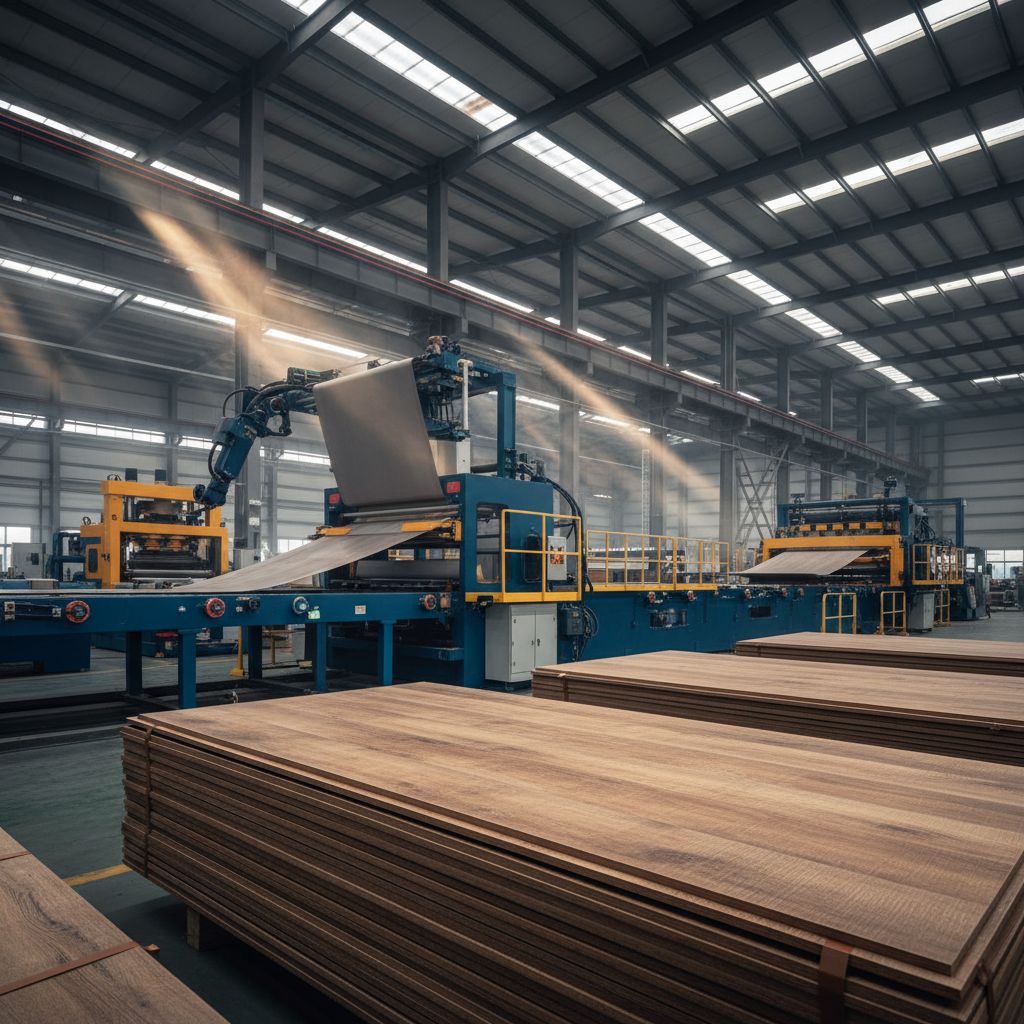 Ultimate Guide to Durable Waterproof SPC Vinyl Flooring StyleWhen renovating a modern home or commercial space, the flooring choice often defines the entire atmosphere. waterproof spc vinyl flooring has emerged as a revolutionary solution for those who refuse to compromise between aesthetic elegance and rugged performance. Standing for Stone Plastic Composite, SPC flooring is engineered to withstand the toughest environments, from moisture-prone bathrooms to high-traffic living rooms. In this comprehensive guide, we will explore why this material is dominating the interior design market and how it can transform your space into a sanctuary of style and resilience.Read More >
Apr 16 2026
-
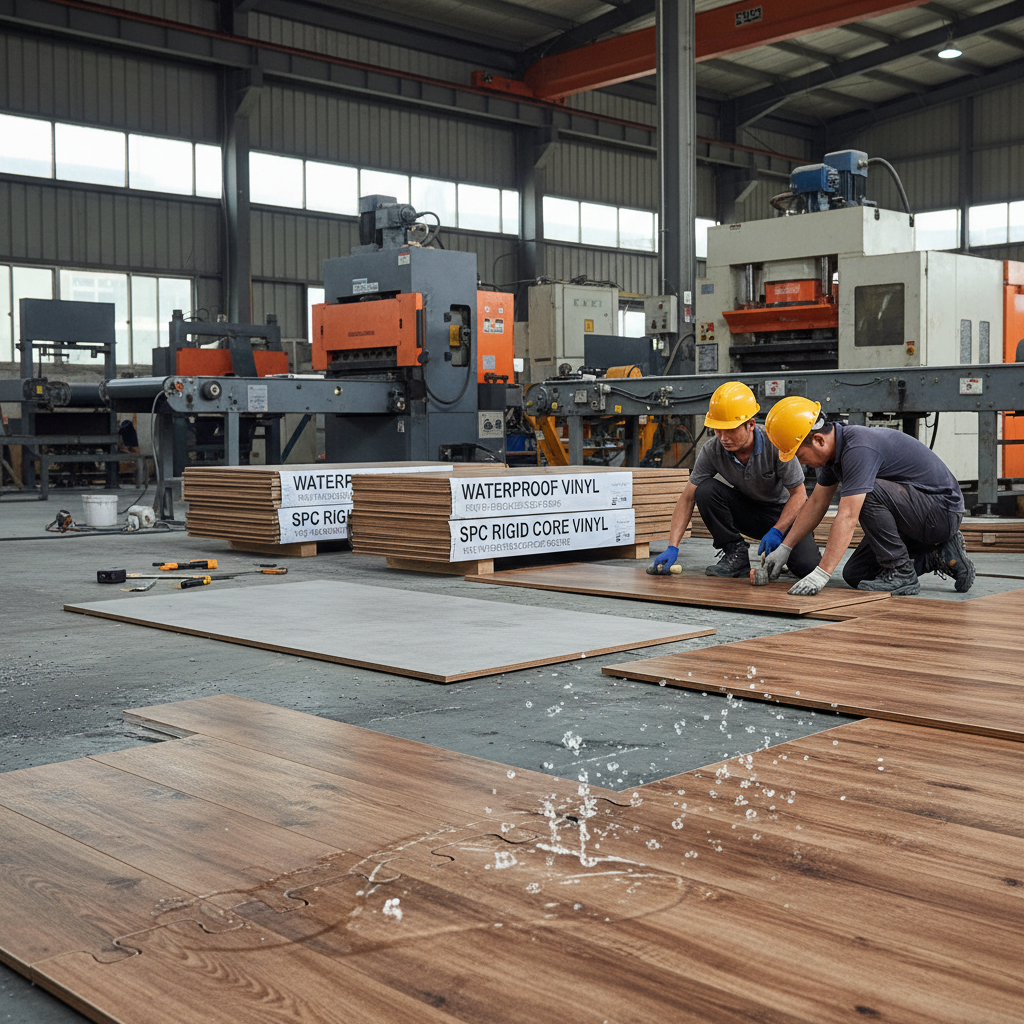 Ultimate Guide to Durable Waterproof SPC Rigid Core Vinyl FlooringChoosing the right flooring for a modern home or commercial space requires a balance between aesthetics and endurance. waterproof spc rigid core vinyl has emerged as a game-changer in the interior design world, offering the timeless look of hardwood with the unmatched resilience of stone polymer composite. Whether you are dealing with high-traffic hallways, moisture-prone bathrooms, or pet-friendly living rooms, this flooring solution provides a stable, waterproof, and scratch-resistant surface. In this comprehensive guide, we will explore why this innovative material is replacing traditional laminate and luxury vinyl planks in contemporary construction.Read More >
Apr 09 2026
-
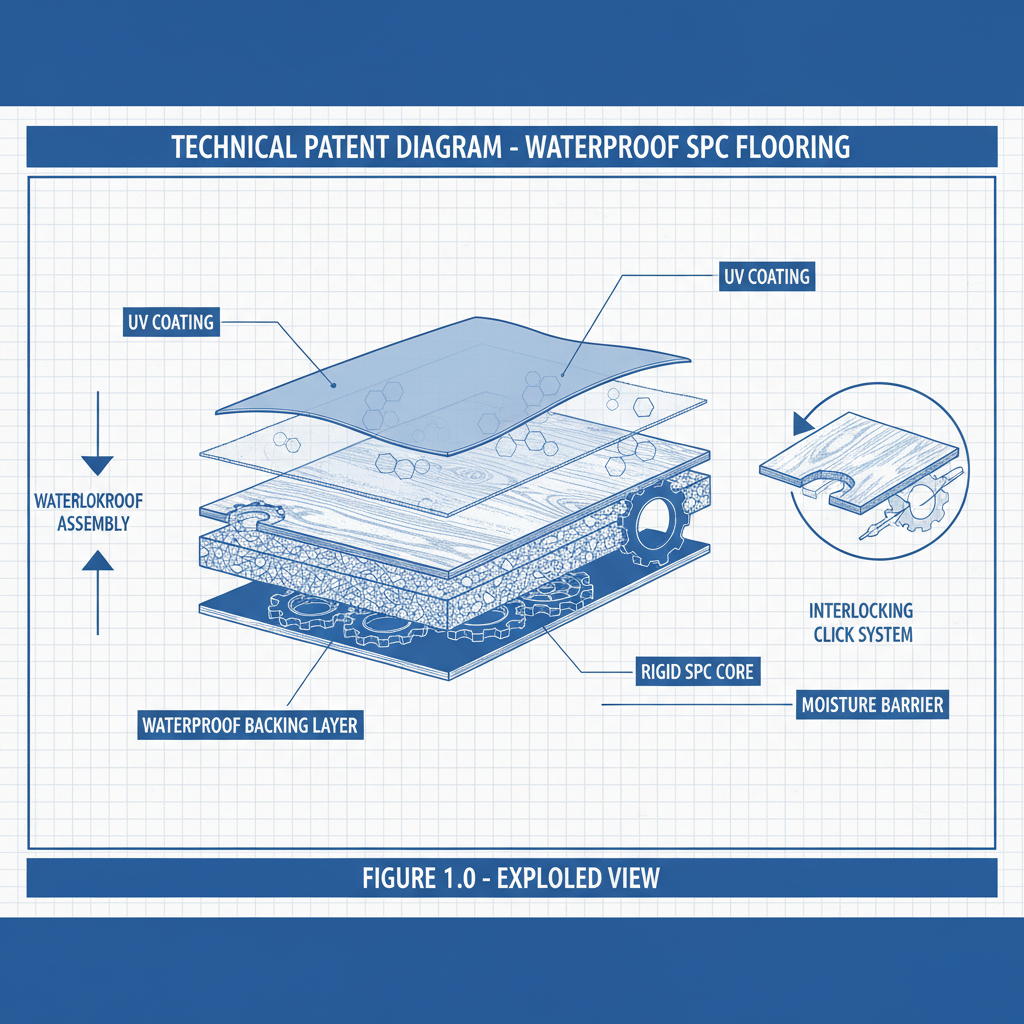 Comprehensive Guide to Waterproof SPC Flooring Durability and InstallationChoosing the right flooring for your home or business is a significant decision. Waterproof SPC flooring has emerged as a popular option due to its durability, affordability, and ease of installation. This article provides an in-depth look at waterproof SPC flooring, covering its benefits, installation process, maintenance, and comparisons with other flooring types. Understanding these aspects will help you determine if SPC flooring is the right choice for your project.Read More >
Apr 07 2026
-
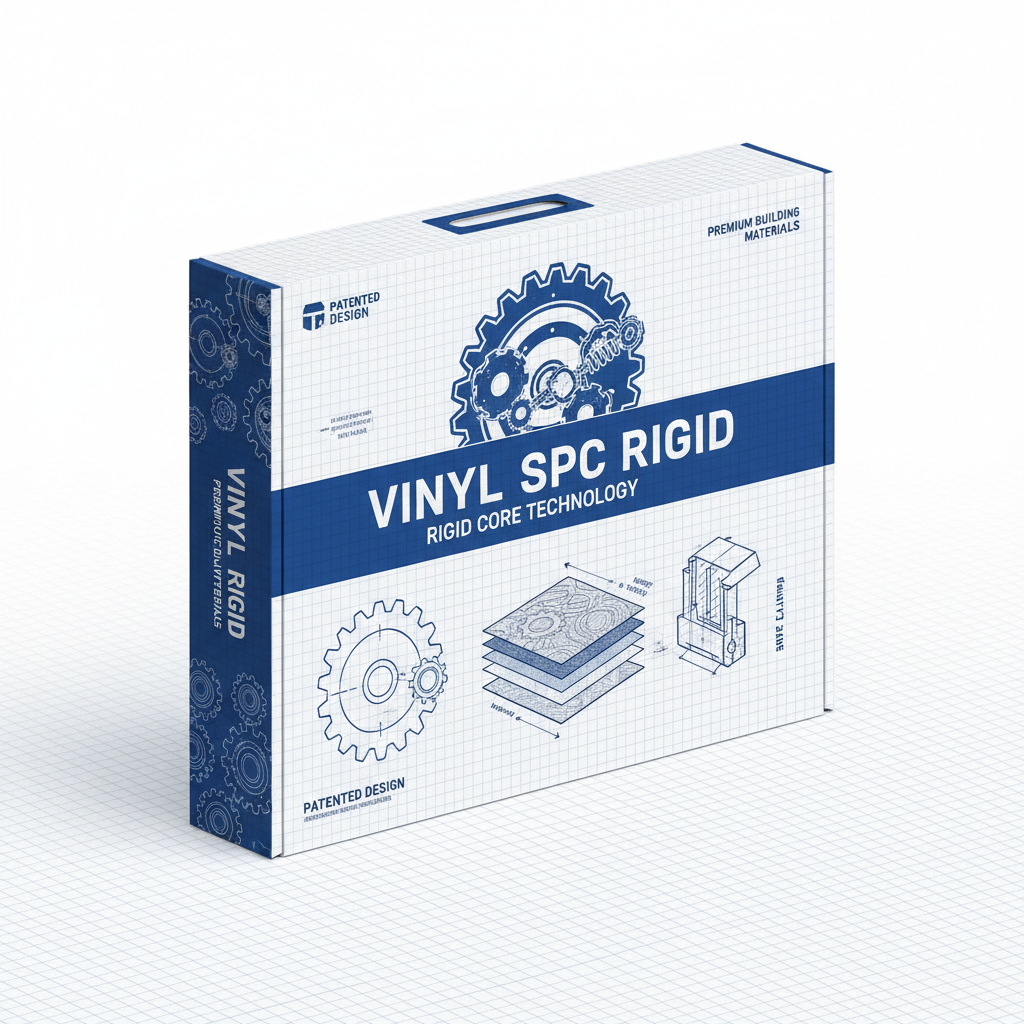 Discover the Durability and Style of Vinyl SPC Rigid Flooring SolutionsLooking for a durable, waterproof, and stylish flooring solution? Vinyl SPC rigid flooring is quickly becoming the go-to choice for homeowners and businesses alike. This article provides a comprehensive overview of this innovative flooring type, covering its benefits, installation, maintenance, and more. We’ll help you determine if SPC rigid vinyl flooring is the right fit for your project.Read More >
Apr 04 2026
-
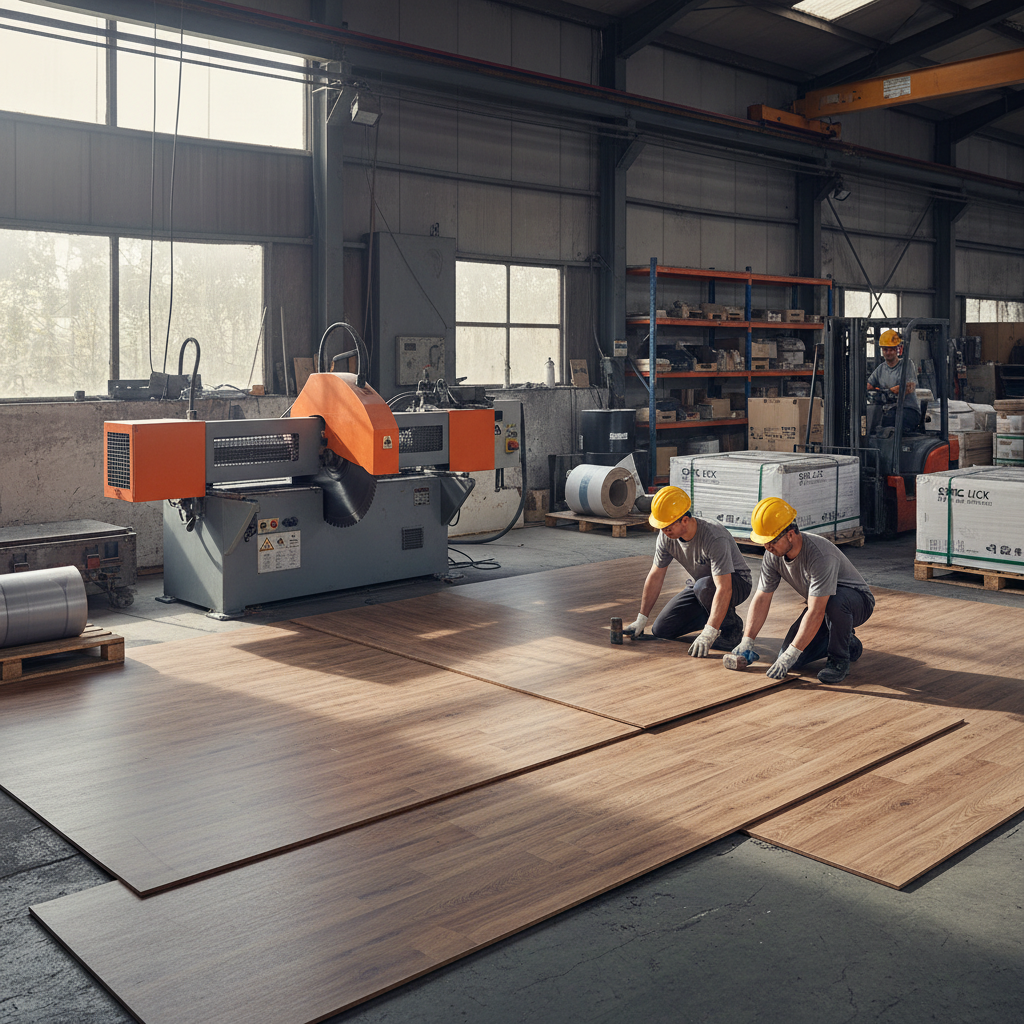 Comprehensive Guide to Durable Vinyl SPC Click Flooring Options and BenefitsChoosing the right flooring for your home or business is a significant decision. Vinyl SPC click flooring has emerged as a popular and durable option, offering a blend of aesthetic appeal and practical benefits. This article will explore the key features, advantages, installation process, and applications of SPC flooring, helping you determine if it's the right choice for your project. From its waterproof nature to its ease of installation, we'll cover everything you need to know.Read More >
Mar 31 2026
 +86 31185293045
  qian@ss711.com

Shijiazhuang Sothink trading Co., LTD.
Our company focuses on product development, production, sales and other all-round services, and is committed to providing customers with high-performance products and high-quality services.