


SPC Waterproof Vinyl Flooring – Durable, Water-Resistant Flooring Solutions for Modern Spaces
Understanding SPC Waterproof Vinyl Flooring: Durable, Reliable, and Going Global
In today’s world, where building materials must juggle aesthetics, durability, and sustainability, spc waterproof vinyl flooring has carved out a solid niche. But why does it matter on a global scale? Well, as urbanization accelerates and climate unpredictability stresses traditional building methods, flooring solutions that are both resilient and water-resistant have become more than a luxury—they’re a necessity. For industries ranging from commercial real estate to humanitarian relief, understanding SPC (Stone Plastic Composite) waterproof vinyl flooring spells better longevity, cost-efficiency, and environmental stewardship.
Introduction: The Growing Global Relevance of SPC Waterproof Vinyl Flooring
Let’s put it in perspective. According to the United Nations, urban populations are expected to swell to 68% by 2050. This rapid urban growth demands construction materials that withstand wear and tear—and increasingly, water damage from flooding or humidity. The ISO also emphasizes durable, sustainable building materials as part of global climate mitigation efforts.
SPC waterproof vinyl flooring directly addresses these challenges. It suits high-traffic commercial zones, humid coastal areas, and even flood-prone regions—anywhere traditional hardwood or laminate might falter. Oddly enough, what began as a niche innovation in China’s manufacturing hubs has become practically a global standard for modern flooring.
What Exactly is SPC Waterproof Vinyl Flooring?
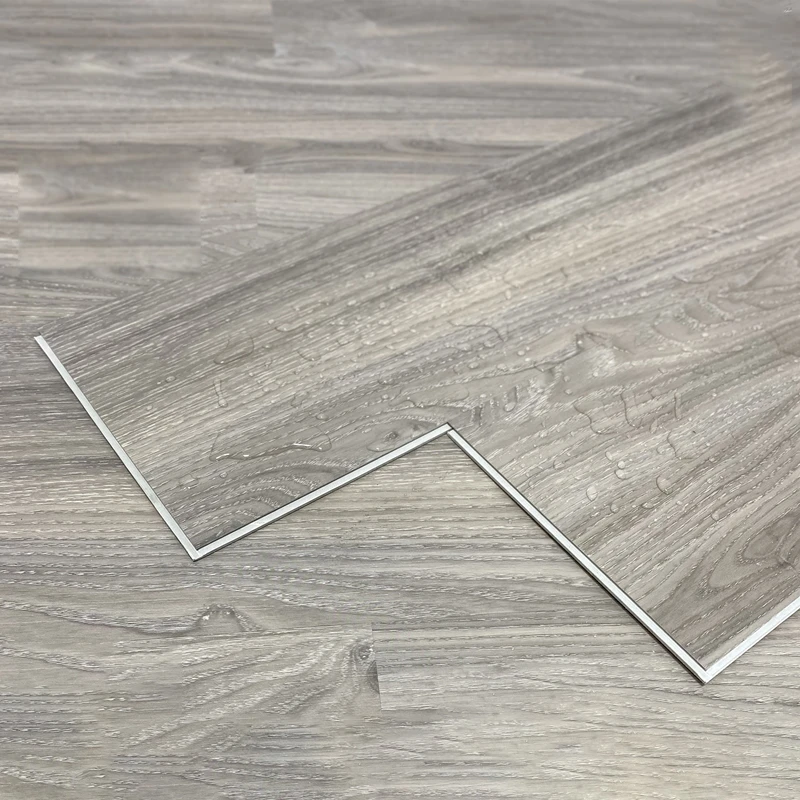
In simple terms, SPC waterproof vinyl flooring is a type of rigid core flooring made by combining limestone (stone powder) and stabilizers with PVC (polyvinyl chloride) layers. The “waterproof” label isn’t just marketing buzz—it means the flooring resists warping, swelling, or degradation when exposed to moisture, unlike conventional wood-based options. This feature makes SPC floors ideal for bathrooms, kitchens, and commercial settings where spills or humidity are common.
It fits neatly into modern industry demands for flooring that is not only durable but also easy to install and maintain. Humanitarian efforts—such as temporary shelters or modular housing in disaster-prone areas—find SPC flooring especially useful because it balances speed, cost, and resilience.
Key Features of SPC Waterproof Vinyl Flooring
Durability
SPC flooring boasts impressive hardness thanks to its stone composite core. It resists dents, scratches, and heavy foot traffic, lasting well beyond ordinary vinyl options.
Water Resistance
Unlike laminates, which soak up water and swell, SPC flooring’s waterproof core prevents moisture damage, making it perfect for wet or humid environments.
Easy Installation
Many SPC products use a click-lock system, meaning they can be floated over existing floors without adhesive. This speeds installation and reduces mess—something contractors and DIYers alike appreciate.
Cost Efficiency
SPC floors generally strike a balance between cost and performance. While marginally pricier than basic vinyl, their lifespan and minimal maintenance often offset upfront expenses.
Eco-Friendly Aspects
Some SPC manufacturers source recycled limestone and use low-VOC (volatile organic compounds) vinyl compounds, aligning with sustainable building protocols.
Product Specification Table: Typical SPC Waterproof Vinyl Flooring
| Feature | Specification |
|---|---|
| Core Material | Stone Plastic Composite (Limestone + PVC) |
| Waterproof | 100% waterproof |
| Thickness | 4-8 mm |
| Wear Layer | 0.3-0.7 mm transparent PU coating |
| Installation | Click-lock / Glue-down |
| Fire Rating | Class B1 (Flame retardant) |
Global Applications & Use Cases
SPC waterproof vinyl flooring isn’t just a material for fancy buildings. In reality, its adaptability shines across a spectrum of scenarios:
- Commercial Real Estate: Office buildings, hotels, and retail spaces in humid climates adopt SPC for its low maintenance.
- Residential Use: Homeowners seeking waterproof options for kitchens, basements, and bathrooms favor SPC flooring.
- Disaster Relief & Temporary Housing: NGOs and governments deploying modular homes use SPC floors for their durability and rapid installation.
- Industrial Facilities: Factories and warehouses that face spills or chemical exposure benefit from the chemical-resistant properties of some SPC variants.
- Educational and Healthcare Institutions: Schools and hospitals choose SPC flooring due to hygiene concerns—easy to clean and disinfect.
Regions like Southeast Asia and coastal U.S. states, dealing with frequent flooding, have notably increased SPC adoption. It’s a practical solution where water damage was once a constant headache.
Vendor Comparison: Popular SPC Waterproof Vinyl Flooring Providers
| Brand | Core Thickness | Wear Layer | Price Range (per sqm) | Notable Features |
|---|---|---|---|---|
| Sothink Decor | 5-7 mm | 0.5 mm PU | $20-$30 | Low VOC, wide design options, excellent waterproofing |
| Shaw Floors | 4-6 mm | 0.3-0.5 mm | $25-$35 | Wide distribution, trusted brand, green certifications |
| Armstrong | 5 mm | 0.3 mm | $22-$32 | Wide install options, long warranty |
Advantages & Long-Term Value
SPC waterproof vinyl flooring delivers a balance many other floorings don’t. For starters, its waterproof nature secures real peace of mind in homes vulnerable to leaks or floods. It’s not just practical; think emotional safety where your family lives or works. There’s also trust from years of durability, minimizing costly replacements.
From a sustainability angle, the reduced need for harsh chemical cleaners and long lifespan mean lower environmental impact. Many choose SPC flooring simply because it offers excellent value for money within urban and commercial design budgets.
Future Trends & Innovations
Looking ahead, manufacturers are experimenting with bio-based vinyl compounds and enhanced stone fillers to reduce carbon footprints further. Digital printing methods mean patterns and textures on SPC flooring now mimic real wood, stone, or concrete almost perfectly—oddly enough, sometimes better than their natural counterparts.
Automation in manufacturing promises lower costs, and evolving recycling programs aim to repurpose SPC waste efficiently. Green building certifications like LEED increasingly recognize SPC flooring as sustainable material when sourced correctly.
Challenges & Solutions
SPC flooring isn’t perfect—installation can be tricky if underlayments aren’t level, and some cheaper products suffer from brittleness in cold climates. Experts recommend precise subfloor preparation and selecting products with reputable backing.
Another challenge is environmental—Vinyl PVC has a complex lifecycle, often including additives that complicate recycling. The industry’s solution? Advanced recycling tech and formulations reducing toxic components.
Frequently Asked Questions About SPC Waterproof Vinyl Flooring
- Q: Is SPC flooring really 100% waterproof?
A: Yes, the core is stone composite and impervious to water, preventing swelling or warping. However, proper installation and sealing around edges help maintain waterproof integrity over time. - Q: Can SPC flooring be installed over existing floors?
A: Often yes. SPC’s rigid core and floating installation allow it to be placed over many types of existing floors, saving demolition time and costs. - Q: How long does SPC vinyl flooring typically last?
A: Expect 10 to 20 years or longer, depending on wear layer thickness and maintenance. It is generally more durable than traditional vinyl or laminate flooring. - Q: Is SPC vinyl flooring eco-friendly?
A: It depends on the manufacturer. Some use recycled limestone and low-VOC vinyl materials. Look for green certifications to ensure sustainability credentials. - Q: Where can I learn more or buy high-quality SPC flooring?
A: Reputable vendors like spc waterproof vinyl flooring specialists provide comprehensive product lines and advice.
Conclusion: Why SPC Waterproof Vinyl Flooring Represents Smart Investment
When you weigh the variables—water resistance, durability, cost-effectiveness, and ease of installation—SPC waterproof vinyl flooring stands out as a smart choice for modern construction and renovation. It’s more than just a floor; it’s a foundation for safety, aesthetics, and sustainability in a changing world.
Curious to explore detailed options or want personalized advice? Visit our site: https://www.sothinkdecor.com and discover how SPC flooring could fit your next project.
It feels like the future of flooring is already under your feet—literally.
References
-
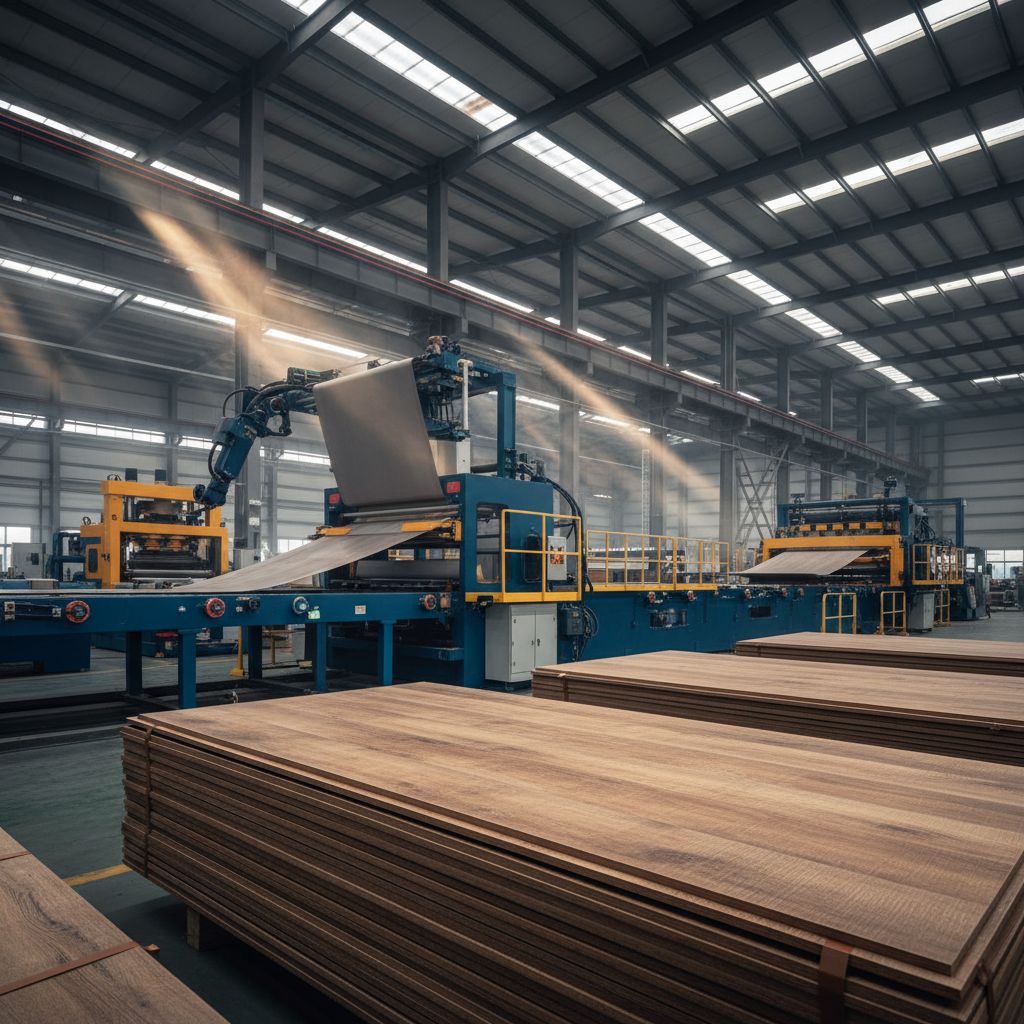 Ultimate Guide to Durable Waterproof SPC Vinyl Flooring StyleWhen renovating a modern home or commercial space, the flooring choice often defines the entire atmosphere. waterproof spc vinyl flooring has emerged as a revolutionary solution for those who refuse to compromise between aesthetic elegance and rugged performance. Standing for Stone Plastic Composite, SPC flooring is engineered to withstand the toughest environments, from moisture-prone bathrooms to high-traffic living rooms. In this comprehensive guide, we will explore why this material is dominating the interior design market and how it can transform your space into a sanctuary of style and resilience.Read More >
Apr 16 2026
-
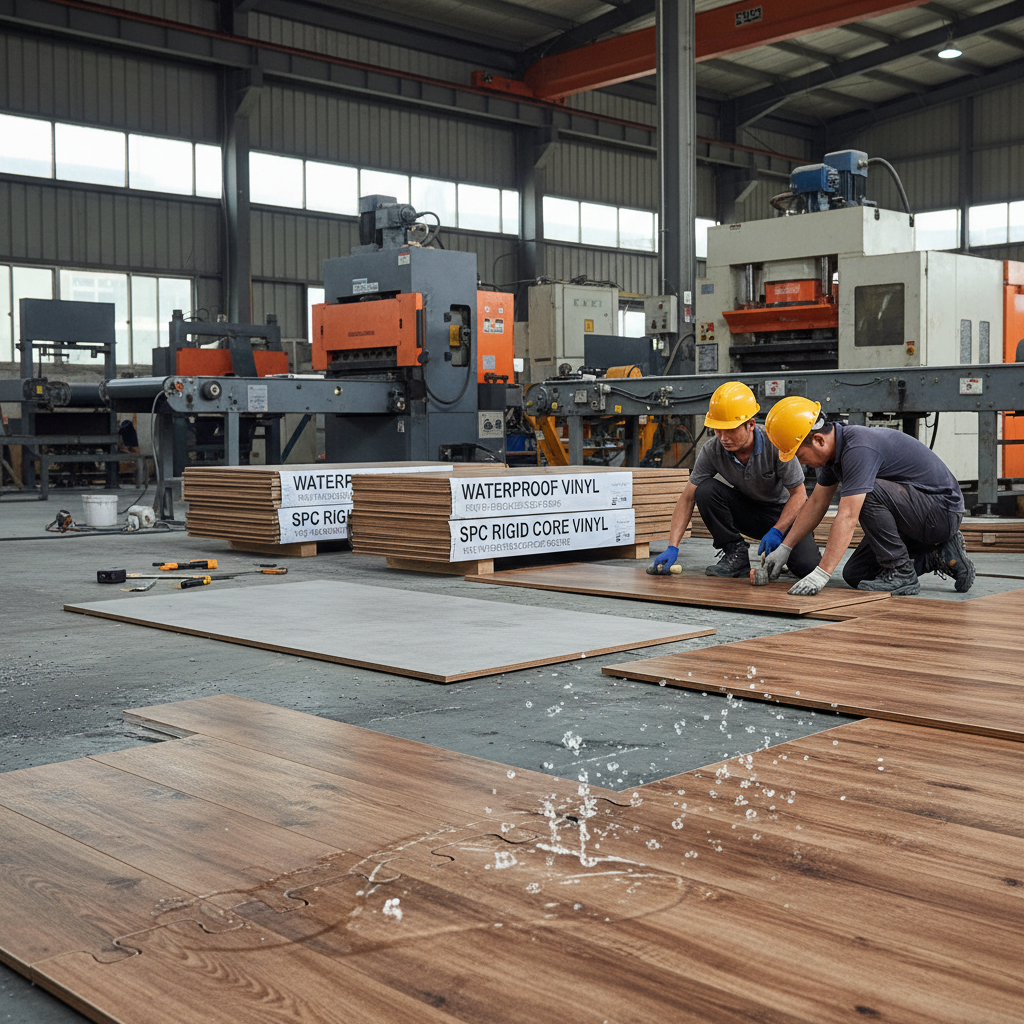 Ultimate Guide to Durable Waterproof SPC Rigid Core Vinyl FlooringChoosing the right flooring for a modern home or commercial space requires a balance between aesthetics and endurance. waterproof spc rigid core vinyl has emerged as a game-changer in the interior design world, offering the timeless look of hardwood with the unmatched resilience of stone polymer composite. Whether you are dealing with high-traffic hallways, moisture-prone bathrooms, or pet-friendly living rooms, this flooring solution provides a stable, waterproof, and scratch-resistant surface. In this comprehensive guide, we will explore why this innovative material is replacing traditional laminate and luxury vinyl planks in contemporary construction.Read More >
Apr 09 2026
-
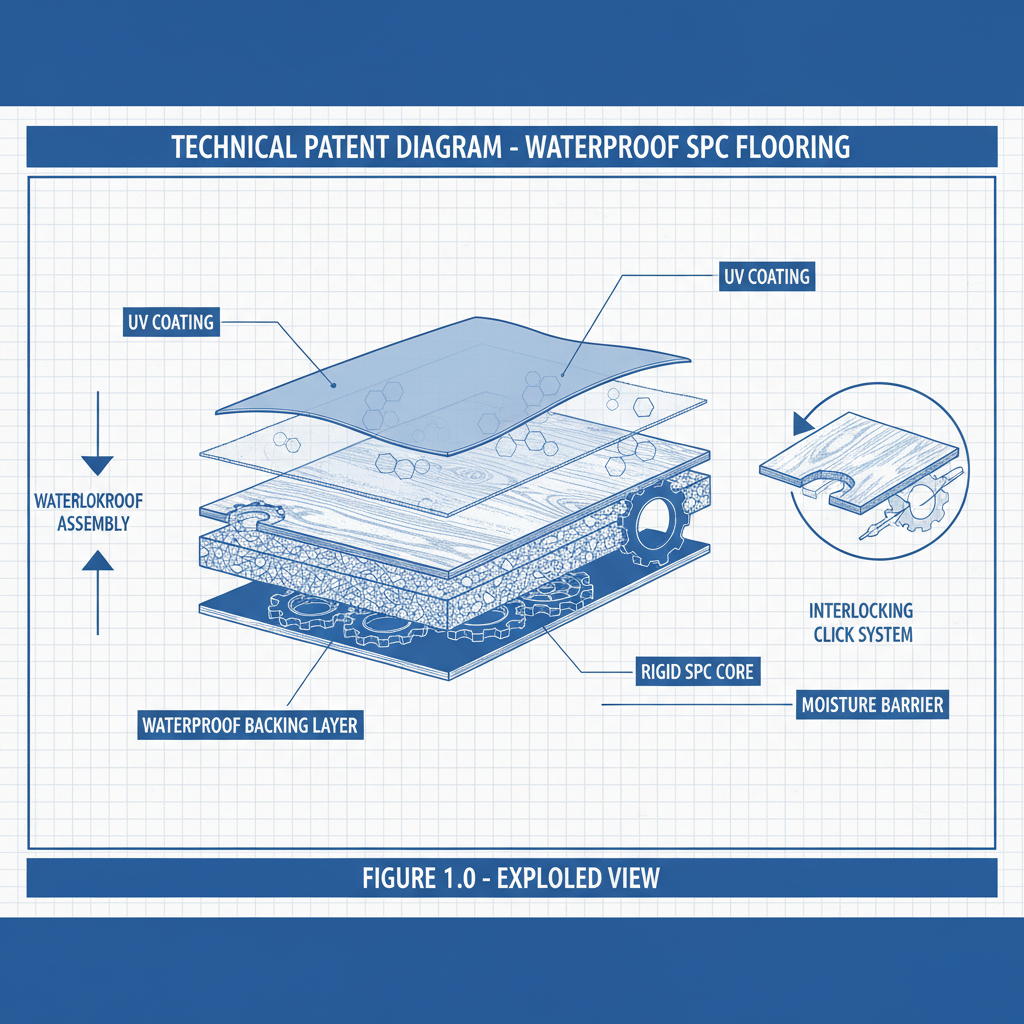 Comprehensive Guide to Waterproof SPC Flooring Durability and InstallationChoosing the right flooring for your home or business is a significant decision. Waterproof SPC flooring has emerged as a popular option due to its durability, affordability, and ease of installation. This article provides an in-depth look at waterproof SPC flooring, covering its benefits, installation process, maintenance, and comparisons with other flooring types. Understanding these aspects will help you determine if SPC flooring is the right choice for your project.Read More >
Apr 07 2026
-
 Discover the Durability and Style of Vinyl SPC Rigid Flooring SolutionsLooking for a durable, waterproof, and stylish flooring solution? Vinyl SPC rigid flooring is quickly becoming the go-to choice for homeowners and businesses alike. This article provides a comprehensive overview of this innovative flooring type, covering its benefits, installation, maintenance, and more. We’ll help you determine if SPC rigid vinyl flooring is the right fit for your project.Read More >
Apr 04 2026
-
 Comprehensive Guide to Durable Vinyl SPC Click Flooring Options and BenefitsChoosing the right flooring for your home or business is a significant decision. Vinyl SPC click flooring has emerged as a popular and durable option, offering a blend of aesthetic appeal and practical benefits. This article will explore the key features, advantages, installation process, and applications of SPC flooring, helping you determine if it's the right choice for your project. From its waterproof nature to its ease of installation, we'll cover everything you need to know.Read More >
Mar 31 2026
 +86 31185293045
  qian@ss711.com

Shijiazhuang Sothink trading Co., LTD.
Our company focuses on product development, production, sales and other all-round services, and is committed to providing customers with high-performance products and high-quality services.