


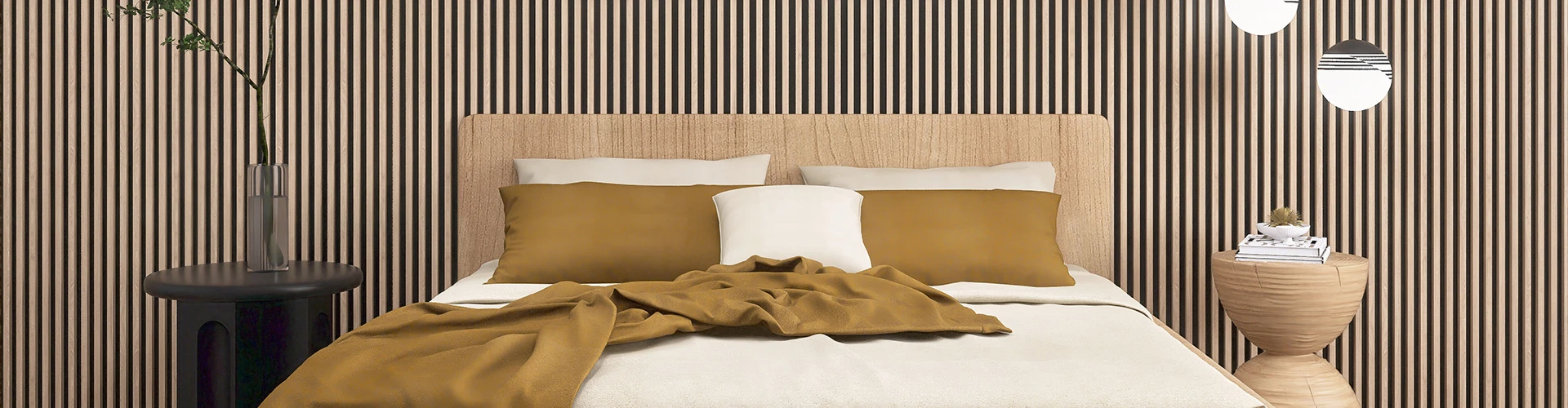
SPC Waterproof Vinyl Tile – Durable, Stylish & Waterproof Flooring Solutions
Understanding SPC Waterproof Vinyl Tile: Durable Flooring for the Modern World
SPC waterproof vinyl tile might sound like just another flooring option, but it’s actually a game-changer in construction and interior design globally. Why? Well, in a world where climate unpredictability, urban density, and sustainability concerns are top of mind, such materials offer a clever solution. They combine robustness, water resistance, and aesthetic appeal — qualities that matter hugely whether you’re building a cozy home in a rainy climate or outfitting a bustling commercial space with heavy foot traffic.
So, why does SPC waterproof vinyl tile matter on a global stage? To put it simply, floors need to be reliable, easy to maintain, and environmentally sound. According to the International Organization for Standardization (ISO), improved materials in building can reduce maintenance costs by up to 30%. Plus, as more urban centers expand, the demand for cost-effective, durable flooring solutions that can withstand humidity, spills, and wear continues to rise. SPC waterproof vinyl tile fits right into that growing need.
What Is SPC Waterproof Vinyl Tile?
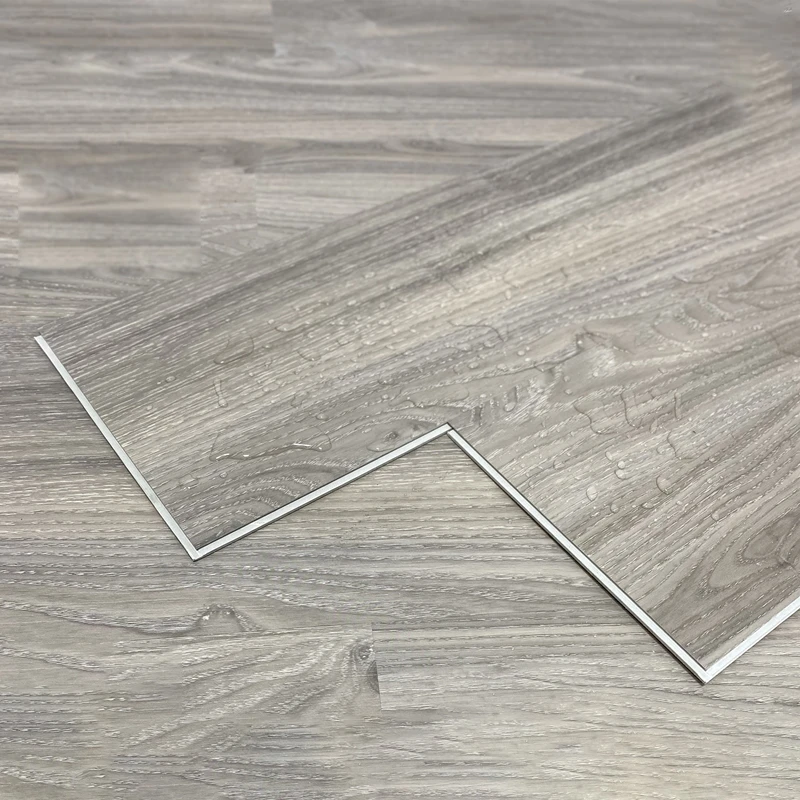
SPC stands for Stone Plastic Composite – a mix of natural stone powder, polyvinyl chloride (PVC), and stabilizers. Essentially, these are rigid vinyl tiles that are 100% waterproof and incredibly tough. Think of it as the fusion of stone-like durability with vinyl’s flexibility and ease of installation. It's a close relative of other vinyl options, but with added strength and moisture resistance that makes it uniquely suited to challenging environments.
It’s fascinating how such a material touches various industries—from residential homes prone to water damage, to hospitals needing hygienic, seamless flooring, to industrial sites that demand heavy-duty surfaces.
Core Features of SPC Waterproof Vinyl Tile
Durability
SPC tiles can handle impacts, scratches, and dents better than many alternatives. Thanks to the stone filling, they resist warping or swelling when exposed to moisture, making them ideal for kitchens, bathrooms, and even commercial kitchens.
Waterproof Qualities
Unlike traditional hardwood or laminate, SPC tiles won't absorb water, maintaining integrity in humid or wet conditions. This is a huge advantage for areas prone to spills or flooding.
Ease of Installation
Thanks to click-lock systems and uniform shapes, installation is quicker and less labor-intensive compared to ceramic or stone tiles. For renovators or builders, that saves time—and money.
Cost Efficiency
While not the cheapest option available, SPC vinyl's long lifespan and low maintenance reduce replacement and upkeep costs. It’s an investment that pays off over time.
Aesthetic Variety
You don’t lose style with SPC tiles; they mimic wood, stone, and other natural textures impressively. This makes it easier to match any design vision without compromising functionality.
Product Specifications At a Glance
| Specification | Details |
|---|---|
| Material Composition | Stone Powder + PVC + Stabilizers |
| Waterproof | 100% |
| Thickness | 3.2mm – 7mm |
| Wear Layer Thickness | 0.3mm – 0.7mm |
| Installation | Click-lock / Glue Down |
| Fire Rating | B1 (Flame Retardant) |
Global Adoption and Real-World Use Cases
Regions from North America to Southeast Asia have embraced SPC waterproof vinyl tile for both commercial and residential purposes. Interestingly, in post-disaster rebuilding efforts, such as flood-affected zones in coastal Asia, these tiles’ water resistance and fast installation accelerate recovery.
Industrial facilities in Europe and the Middle East appreciate SPC flooring’s chemical resistance and durability, while hospitals in the U.S. rely on its hygienic properties. I came across a recent example where a large hotel chain in Florida upgraded all their guest bathrooms with these tiles—after repeated hurricane flooding, they wanted fast-drying, lasting solutions.
Comparing Top Vendors of SPC Vinyl Tiles
| Vendor | Price Range (per sq.ft.) | Wear Layer Thickness | Installation Type | Warranty |
|---|---|---|---|---|
| Sothink Decor | $2.50 - $4.00 | 0.5mm | Click-lock | 15 years |
| Vendor B | $2.00 - $3.50 | 0.4mm | Glue Down | 10 years |
| Vendor C | $3.00 - $5.00 | 0.7mm | Click-lock | 20 years |
The Advantages & Long-Term Value of SPC Waterproof Vinyl Tiles
- Cost Savings: Low maintenance and durability mean fewer repairs and replacements.
- Eco-Friendliness: Many SPC tiles now incorporate recycled content and are recyclable themselves.
- User Confidence: With waterproof and anti-slip features, safety improves in homes and commercial spaces.
- Versatility: Suitable for almost any room, from basements to high-moisture industrial sites.
There’s something reassuring about walking on a floor that you know can withstand time and trouble. That emotional peace of mind translates into real value.
Emerging Trends & Innovation in SPC Flooring
The industry is moving towards even greener products — aiming to minimize plastic use within the PVC composite and maximize recyclability. Digital printing tech means even more realistic visuals for wood and stone patterns. Plus, "smart floors" with integrated sensors detecting moisture or pressure might soon change facility management.
Challenges & How The Industry Is Meeting Them
SPC tiles aren’t perfect — sometimes their rigidity can feel cold or hard underfoot compared to softer vinyl. Also, their temperature sensitivity means they might expand or contract slightly with drastic temperature shifts. Manufacturers tackle these issues by enhancing wear layers and offering thicker padding options. I suppose, as with many building materials, tradeoffs exist — but innovation keeps narrowing those gaps.
FAQs About SPC Waterproof Vinyl Tile
- Is SPC flooring really waterproof?
- Yes, SPC vinyl tile is 100% waterproof due to its stone-plastic composite core. It won’t swell or warp when exposed to moisture, unlike laminate or hardwood flooring.
- How long does SPC waterproof vinyl tile last?
- With proper care, SPC flooring can last 15-20 years or more, depending on wear layer thickness and installation quality.
- Can SPC floors be installed over existing flooring?
- Often yes. Many SPC tiles feature click-lock designs that can float above existing floors, though the surface should be clean and flat.
- Are SPC floors eco-friendly?
- Modern SPC tiles increasingly include recycled materials and are recyclable themselves. Look for eco-certifications when purchasing.
Conclusion: Why SPC Waterproof Vinyl Tile Is an Investment Worth Considering
Overall, SPC waterproof vinyl tile offers a robust, stylish, and sustainable flooring option suitable from homes in rainy climates to busy commercial centers. Its waterproof nature combined with durability and aesthetic flexibility is hard to beat. If you are exploring flooring options, I strongly suggest checking out spc waterproof vinyl tile offerings to find solutions that blend economy and quality.
After all, it’s not just about what’s under your feet — it’s about choosing flooring that can stand the test of time, weather, and changing needs.
Takeaway: Whether for a new build or a renovation, SPC waterproof vinyl tile brings together practicality and style in a way that feels, frankly, quite modern — and quite necessary.
References:
1. International Organization for Standardization
2. Wikipedia: Vinyl Flooring
3. World Bank Urban Development Data
-
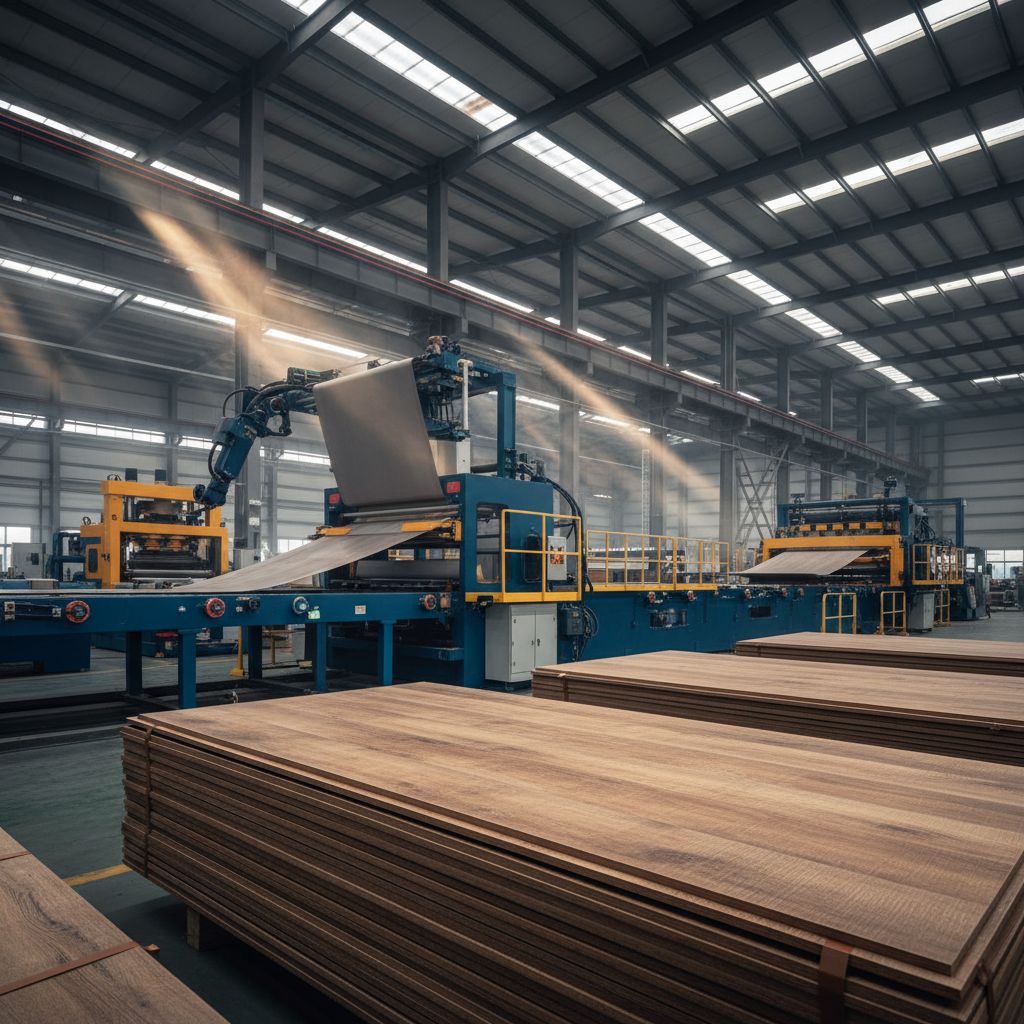 Ultimate Guide to Durable Waterproof SPC Vinyl Flooring StyleWhen renovating a modern home or commercial space, the flooring choice often defines the entire atmosphere. waterproof spc vinyl flooring has emerged as a revolutionary solution for those who refuse to compromise between aesthetic elegance and rugged performance. Standing for Stone Plastic Composite, SPC flooring is engineered to withstand the toughest environments, from moisture-prone bathrooms to high-traffic living rooms. In this comprehensive guide, we will explore why this material is dominating the interior design market and how it can transform your space into a sanctuary of style and resilience.Read More >
Apr 16 2026
-
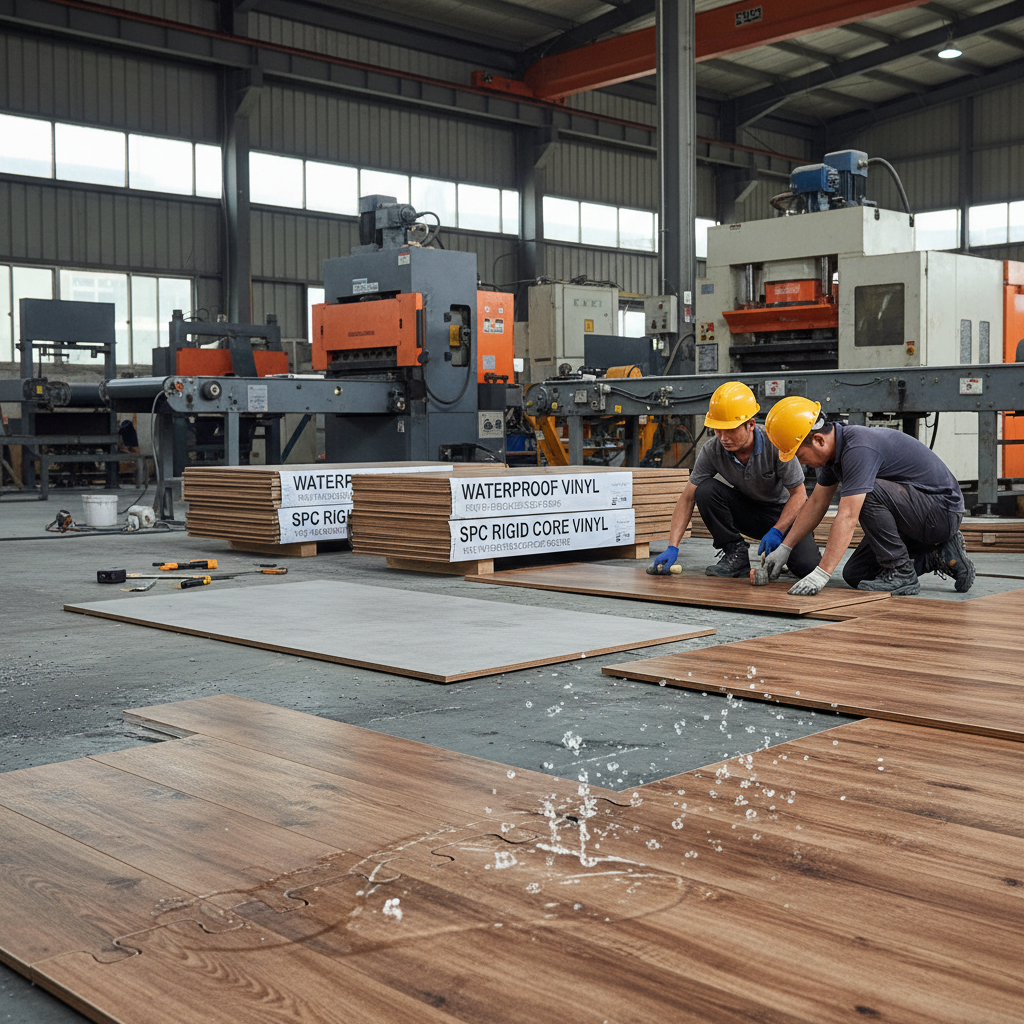 Ultimate Guide to Durable Waterproof SPC Rigid Core Vinyl FlooringChoosing the right flooring for a modern home or commercial space requires a balance between aesthetics and endurance. waterproof spc rigid core vinyl has emerged as a game-changer in the interior design world, offering the timeless look of hardwood with the unmatched resilience of stone polymer composite. Whether you are dealing with high-traffic hallways, moisture-prone bathrooms, or pet-friendly living rooms, this flooring solution provides a stable, waterproof, and scratch-resistant surface. In this comprehensive guide, we will explore why this innovative material is replacing traditional laminate and luxury vinyl planks in contemporary construction.Read More >
Apr 09 2026
-
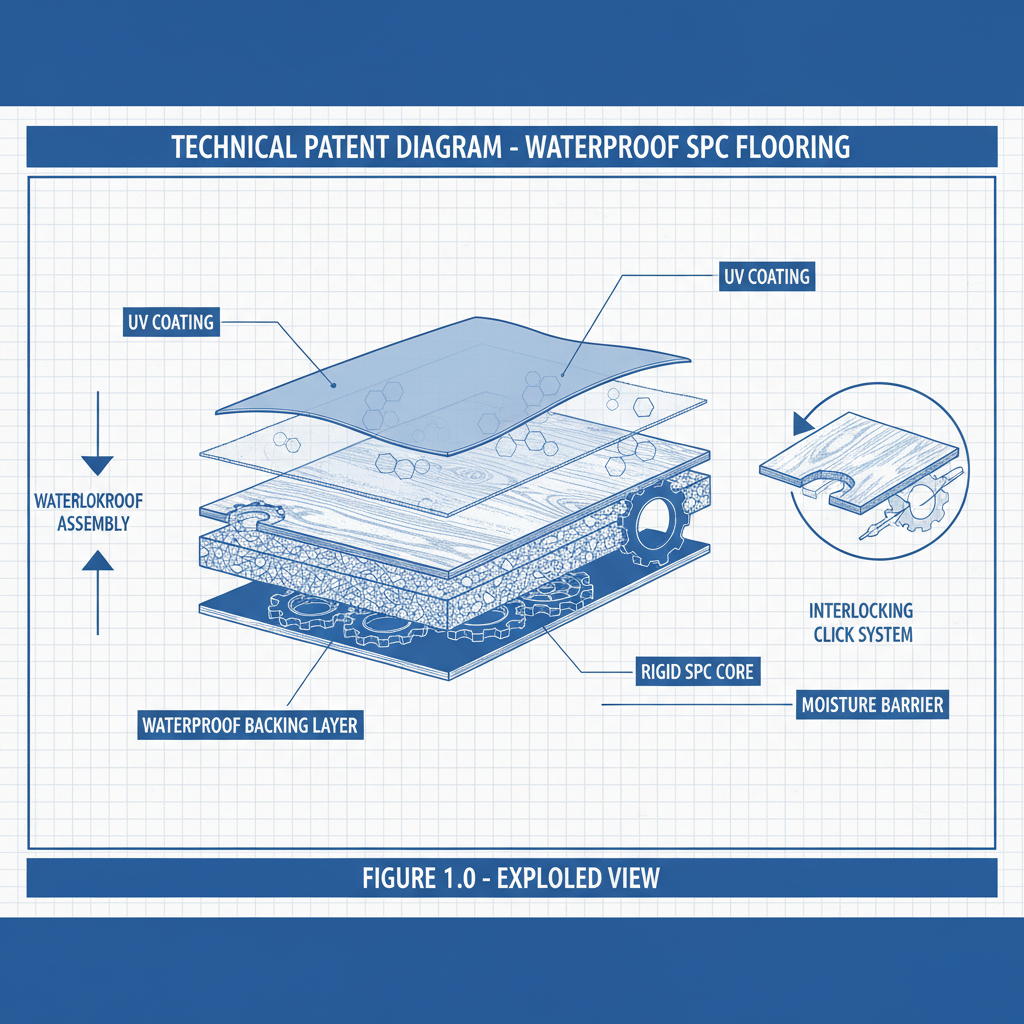 Comprehensive Guide to Waterproof SPC Flooring Durability and InstallationChoosing the right flooring for your home or business is a significant decision. Waterproof SPC flooring has emerged as a popular option due to its durability, affordability, and ease of installation. This article provides an in-depth look at waterproof SPC flooring, covering its benefits, installation process, maintenance, and comparisons with other flooring types. Understanding these aspects will help you determine if SPC flooring is the right choice for your project.Read More >
Apr 07 2026
-
 Discover the Durability and Style of Vinyl SPC Rigid Flooring SolutionsLooking for a durable, waterproof, and stylish flooring solution? Vinyl SPC rigid flooring is quickly becoming the go-to choice for homeowners and businesses alike. This article provides a comprehensive overview of this innovative flooring type, covering its benefits, installation, maintenance, and more. We’ll help you determine if SPC rigid vinyl flooring is the right fit for your project.Read More >
Apr 04 2026
-
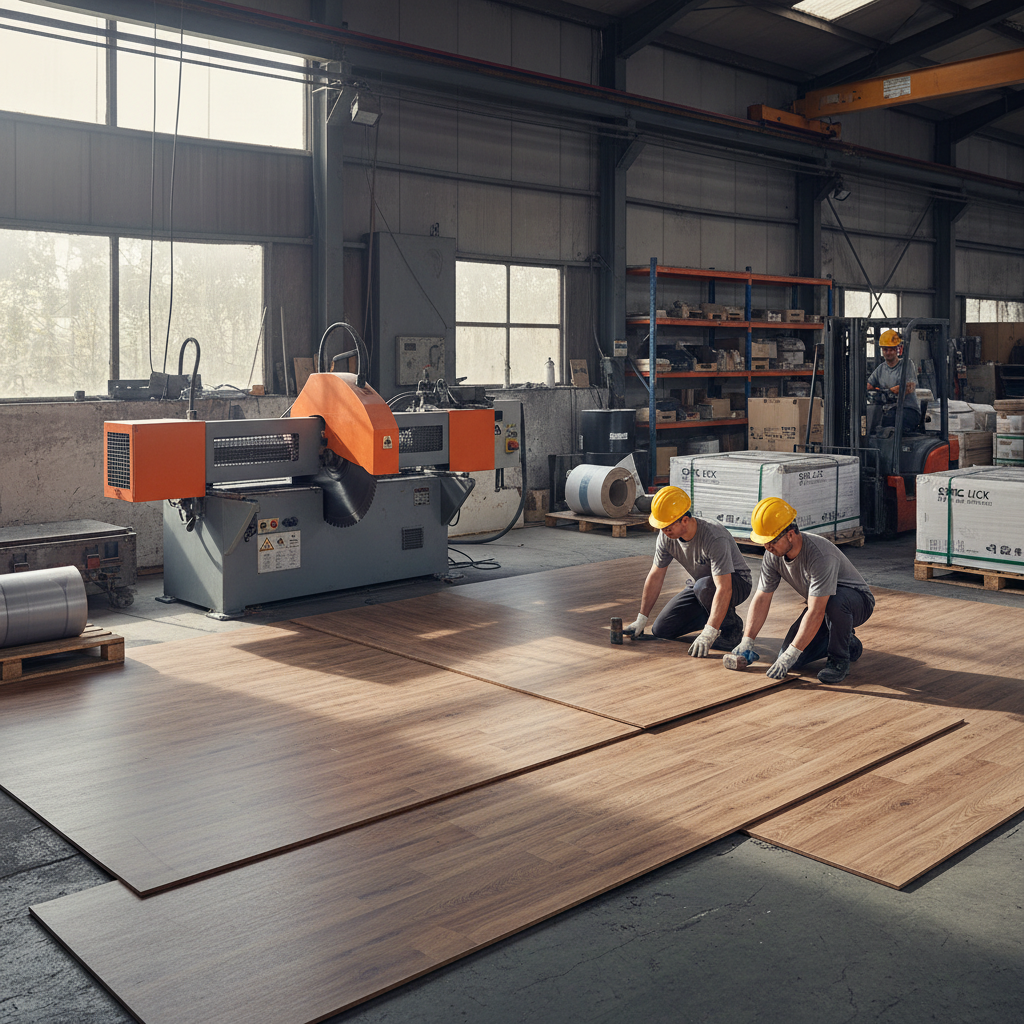 Comprehensive Guide to Durable Vinyl SPC Click Flooring Options and BenefitsChoosing the right flooring for your home or business is a significant decision. Vinyl SPC click flooring has emerged as a popular and durable option, offering a blend of aesthetic appeal and practical benefits. This article will explore the key features, advantages, installation process, and applications of SPC flooring, helping you determine if it's the right choice for your project. From its waterproof nature to its ease of installation, we'll cover everything you need to know.Read More >
Mar 31 2026
 +86 31185293045
  qian@ss711.com

Shijiazhuang Sothink trading Co., LTD.
Our company focuses on product development, production, sales and other all-round services, and is committed to providing customers with high-performance products and high-quality services.