



Comprehensive Guide to SPC Waterproofing: Benefits, Applications, and Trends
Understanding SPC Waterproofing: A Critical Solution for Modern Construction
SPC waterproofing might sound like just another technical term tossed around in construction and building circles, but it's far more than that. On a global scale, waterproofing plays a pivotal role in preserving infrastructure, safeguarding human habitats, and reducing costly damages due to water intrusion. Specifically, SPC waterproofing offers a durable, efficient approach to keep surfaces impervious to water — which in today's rapidly changing climate, urban sprawl, and industrial developments, is nothing short of a necessity.
Whether you’re an engineer, a property developer, or even someone curious about environmental building techniques, understanding SPC waterproofing helps you grasp one of the underlying guardians of modern construction longevity. But what exactly is it, and why should it matter to you or your project? Let's unravel this step by step.
Introduction: Why SPC Waterproofing Matters Globally
Water damage remains one of the very leading causes of structural failure worldwide. According to ISO standards and UN environmental reports, humidity and water penetration degrade nearly 40% of non-residential concrete infrastructures within just 20 years. Now, throw in the rising frequency of extreme weather events caused by climate change, and this percentage only swells.
SPC waterproofing technologies respond to this problem head-on, offering solutions that enhance durability and reduce maintenance costs, all while supporting sustainability objectives. On an industrial scale, this means fewer repairs, less energy spent on reconstruction, and ultimately, safer spaces for humans and their endeavors alike.
What is SPC Waterproofing?
At its core, SPC stands for Stone Plastic Composite—originally a term used widely to describe a type of flooring. But in waterproofing, it refers to specialized composite materials engineered to create a robust barrier against moisture intrusion. Essentially, SPC waterproofing systems combine stone, plasticizers, and advanced bonding agents to yield membranes or coatings that are rigid yet flexible, resistant to temperature changes, and impermeable to water.
It's this unique blend that makes SPC waterproofing highly valuable, not only in traditional construction but also for humanitarian efforts, such as providing immediate relief infrastructure in flood-affected areas or remote locations where waterproof, durable shelter is critical.
Core Components and Key Factors of SPC Waterproofing
Durability
SPC waterproofing materials often last decades without significant loss of performance. Their resistance to wear, UV radiation, and chemical attacks means they’re ideal for harsh environments — think coastal or industrial zones.
Scalability
From small residential decks to vast industrial containment areas, SPC waterproofing adapts. Its modular nature allows easy customization for different substrates and shapes, making deployment quicker and more efficient.
Cost Efficiency
Though initial material costs can be slightly higher than traditional options, the extended lifespan and reduced maintenance push overall lifecycle costs considerably down. Plus, fewer repairs mean less downtime.
Eco-Friendliness
Many SPC products use recycled components or are fully recyclable themselves. When coupled with reduced repair frequency, they support sustainable building initiatives aligned with ISO 9001 and ISO 14001 environmental management standards.
Ease of Installation
SPC waterproofing membranes are designed to be user-friendly. Their pre-fabricated sheets or rolls simplify handling and reduce labor intensity—for example, when installed on concrete slabs, roofs, or industrial tanks.
Thermal Stability
One of SPC’s overlooked perks is how well it handles temperature fluctuations without cracking or losing adhesion, a common failure point in other waterproofing systems.
SPC Waterproofing in Action: Global Applications and Use Cases
Globally, SPC waterproofing finds its place in diverse arenas:
- Post-Disaster Relief: NGOs leverage quick-install SPC systems to waterproof temporary shelters in flood-prone regions, offering displaced populations safer, drier spaces overnight.
- Marine and Coastal Projects: Ports and offshore platforms use SPC membranes to withstand saltwater corrosion while preventing structural water infiltration.
- Urban Infrastructure: Metro systems in Asia and Europe integrate SPC waterproofing beneath platforms and underground stations to combat rising groundwater tables.
- Industrial Facilities: Chemical plants and refineries benefit from the chemical resistance and durability aspects of SPC material coatings.
spc waterproofing is practically a backbone in resilient infrastructure, especially in challenging operational environments.
Product Specification: Typical SPC Waterproofing Membrane
| Property | Specification |
|---|---|
| Thickness | 1.5 mm – 3.0 mm |
| Tensile Strength | > 15 MPa |
| Elongation at Break | > 200% |
| Water Absorption | |
| Temperature Range | -30°C to 90°C |
| UV Resistance | Excellent |
Mini takeaway: SPC waterproofing membranes combine strength, flexibility, and environmental resilience, making them a smart choice for diverse construction needs.
Vendor Comparison: Leading SPC Waterproofing Providers
| Vendor | Product Range | Eco Certifications | Typical Lead Time | Pricing Tier |
|---|---|---|---|---|
| RockSeal Corp. | Membranes, Coatings, Sealants | ISO 14001, LEED | 2 weeks | Mid-range |
| PolyCoat Industries | Membranes & Panels | ISO 9001 | 3 weeks | Budget-friendly |
| EcoGuard Solutions | Premium SPC Sheets | ISO 14001, Green Seal | 1 week | Premium |
Mini takeaway: Your choice of SPC waterproofing vendor should balance product quality, environmental certification, and lead times according to your project priorities.
Advantages and Long-Term Value of SPC Waterproofing
In real-terms, SPC waterproofing delivers on multiple fronts:
- Cost Savings: Durable materials mean fewer repairs and replacements over time.
- Environmental Impact: Recycled content and energy-efficient production lower carbon footprints.
- Safety & Peace of Mind: Waterproofing prevents mold growth, structural weakening, and toxic indoor environments.
- Innovation Edge: Modern SPC products integrate with digital monitoring for condition assessment, enhancing preventative maintenance.
Frankly, investing in robust waterproofing translates not just to dollars saved but trust earned — by occupants, regulators, and insurers alike.
Future Trends and Innovations in SPC Waterproofing
The SPC field isn’t standing still. With advances in nanotechnology, some SPC membranes now incorporate self-healing polymers that “repair” minor scratches or punctures automatically. Plus, growing green building codes encourage manufacturers to adopt renewable raw materials. Digitalization is also creeping in—smart waterproofing systems embed moisture sensors that alert building operators in real time.
Looking ahead, I suppose we’ll witness SPC products merging even more seamlessly with IoT-enabled “smart building” environments, enhancing resilience and sustainability together.
Challenges & Expert Solutions
Of course, no technology is without hurdles. SPC waterproofing installation can be tricky over uneven or porous surfaces, requiring expert surface preparation. Also, inconsistent product quality from unregulated suppliers sometimes leads to premature failures.
Industry experts recommend strict quality controls, certified installers, and thorough substrate cleaning. Innovations like spray-applied SPC coatings address complicated geometries better than rigid sheets, broadening applicability.
Frequently Asked Questions About SPC Waterproofing
Q1: How long does SPC waterproofing typically last on commercial buildings?
A1: SPC waterproofing membranes can last 20 to 30 years or more under proper conditions, especially when installed by certified professionals who prepare substrates thoroughly and follow manufacturer guidelines.
Q2: Can SPC waterproofing be used on existing concrete structures without full replacement?
A2: Yes, many SPC products are designed for retrofit applications, applied as overlays or coatings on existing surfaces to extend their water-resistance without major reconstruction.
Q3: Are there eco-friendly SPC waterproofing options available?
A3: Absolutely. Some SPC manufacturers use recycled stone aggregates and biobased plastics, plus comply with ISO environmental standards, ensuring minimal ecological footprint.
Q4: What are typical signs of SPC waterproofing failure?
A4: Look for water staining, bubbling or blistering on surface layers, mold growth, or loss of adhesion between membrane and substrate.
Q5: Is SPC waterproofing compatible with solar panel installations on roofs?
A5: Generally yes. SPC membranes are stable under foot traffic and panel mounts, but it’s essential to coordinate with the waterproofing vendor to ensure installation methods maintain waterproof integrity.
Conclusion: SPC Waterproofing Is a Long-Term Partner for Resilient Infrastructure
Ultimately, SPC waterproofing solutions deliver durability, cost efficiency, and environmental benefits that many modern construction projects demand. Whether in urban high-rises or temporary humanitarian shelters, this technology is quietly supporting safety, comfort, and sustainability worldwide.
If you want to explore SPC waterproofing options tailored to your project’s needs, I warmly invite you to visit our website for detailed product info, expert guidance, and custom solutions.
Just remember: investing in the right waterproofing today saves headaches tomorrow.
References
-
 Ultimate Guide to Durable Waterproof SPC Vinyl Flooring StyleWhen renovating a modern home or commercial space, the flooring choice often defines the entire atmosphere. waterproof spc vinyl flooring has emerged as a revolutionary solution for those who refuse to compromise between aesthetic elegance and rugged performance. Standing for Stone Plastic Composite, SPC flooring is engineered to withstand the toughest environments, from moisture-prone bathrooms to high-traffic living rooms. In this comprehensive guide, we will explore why this material is dominating the interior design market and how it can transform your space into a sanctuary of style and resilience.Read More >
Apr 16 2026
-
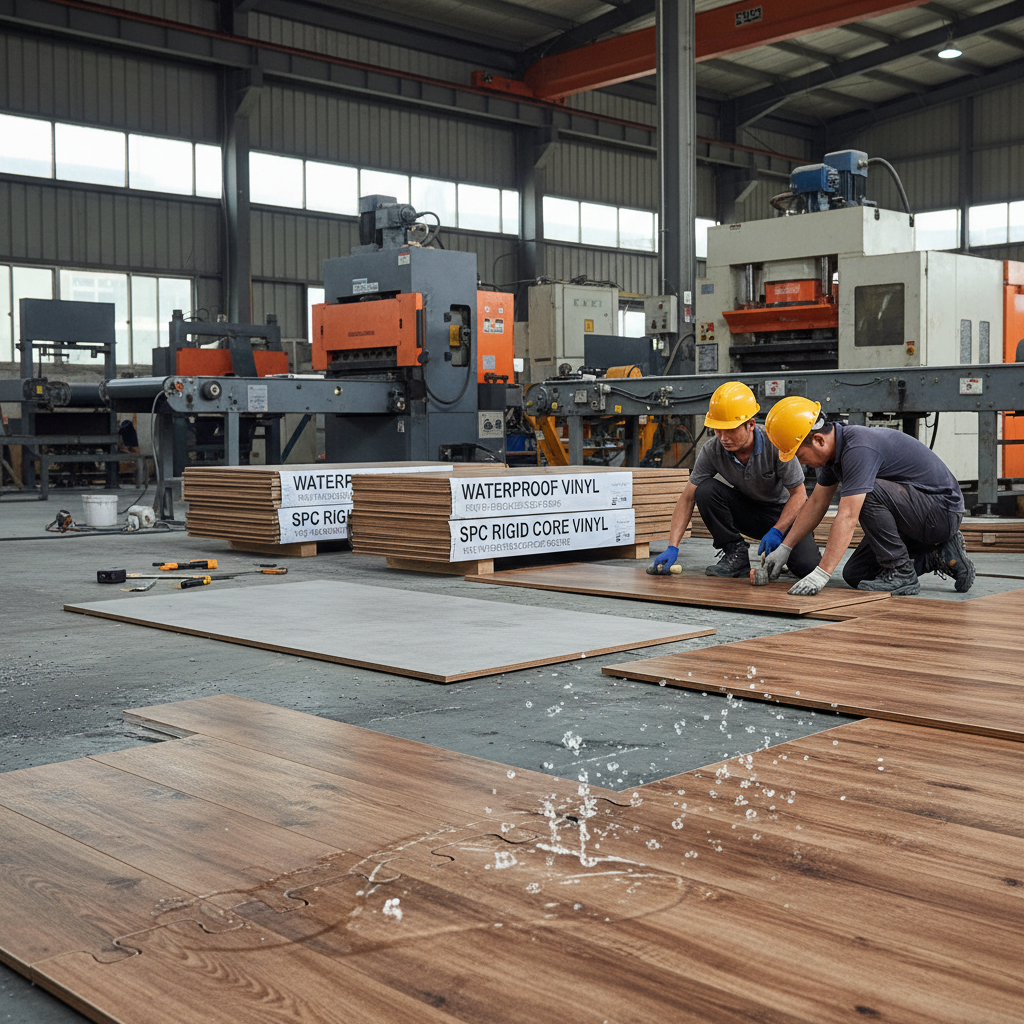 Ultimate Guide to Durable Waterproof SPC Rigid Core Vinyl FlooringChoosing the right flooring for a modern home or commercial space requires a balance between aesthetics and endurance. waterproof spc rigid core vinyl has emerged as a game-changer in the interior design world, offering the timeless look of hardwood with the unmatched resilience of stone polymer composite. Whether you are dealing with high-traffic hallways, moisture-prone bathrooms, or pet-friendly living rooms, this flooring solution provides a stable, waterproof, and scratch-resistant surface. In this comprehensive guide, we will explore why this innovative material is replacing traditional laminate and luxury vinyl planks in contemporary construction.Read More >
Apr 09 2026
-
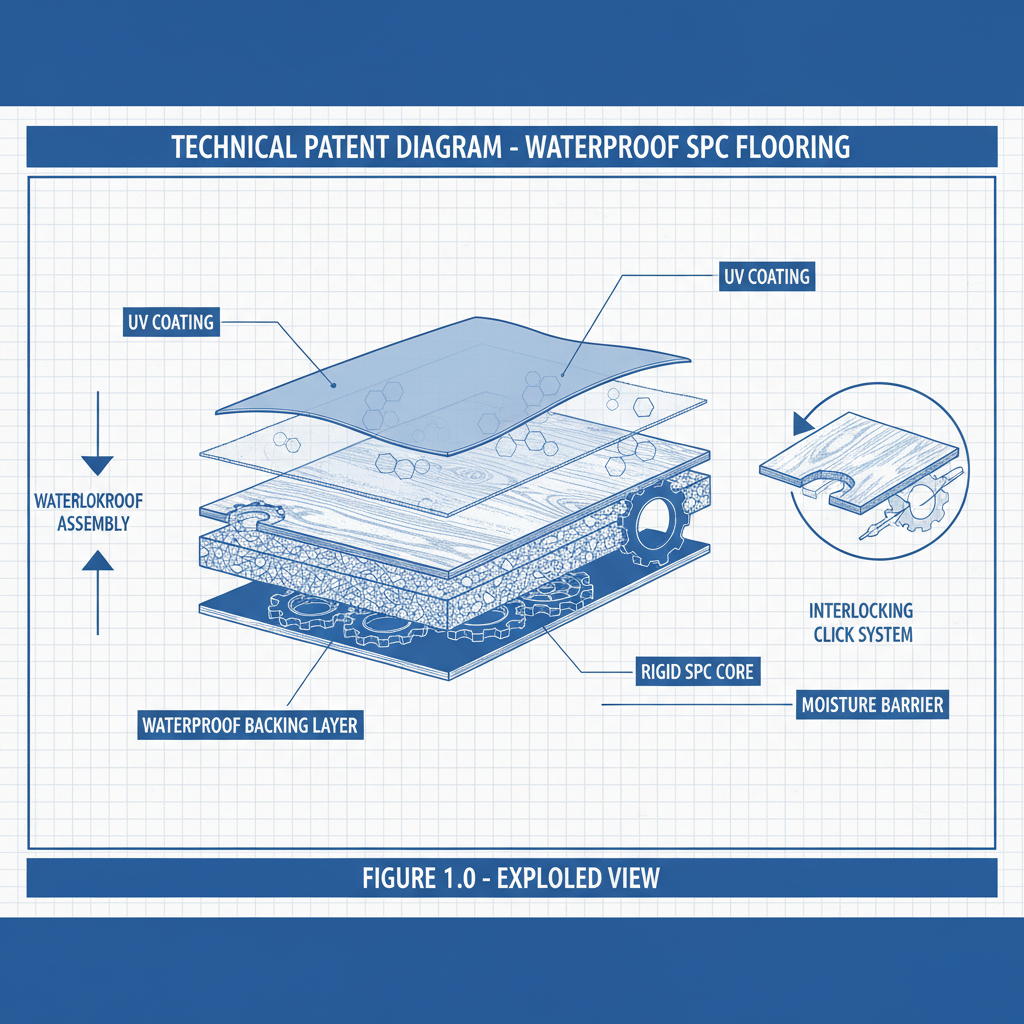 Comprehensive Guide to Waterproof SPC Flooring Durability and InstallationChoosing the right flooring for your home or business is a significant decision. Waterproof SPC flooring has emerged as a popular option due to its durability, affordability, and ease of installation. This article provides an in-depth look at waterproof SPC flooring, covering its benefits, installation process, maintenance, and comparisons with other flooring types. Understanding these aspects will help you determine if SPC flooring is the right choice for your project.Read More >
Apr 07 2026
-
 Discover the Durability and Style of Vinyl SPC Rigid Flooring SolutionsLooking for a durable, waterproof, and stylish flooring solution? Vinyl SPC rigid flooring is quickly becoming the go-to choice for homeowners and businesses alike. This article provides a comprehensive overview of this innovative flooring type, covering its benefits, installation, maintenance, and more. We’ll help you determine if SPC rigid vinyl flooring is the right fit for your project.Read More >
Apr 04 2026
-
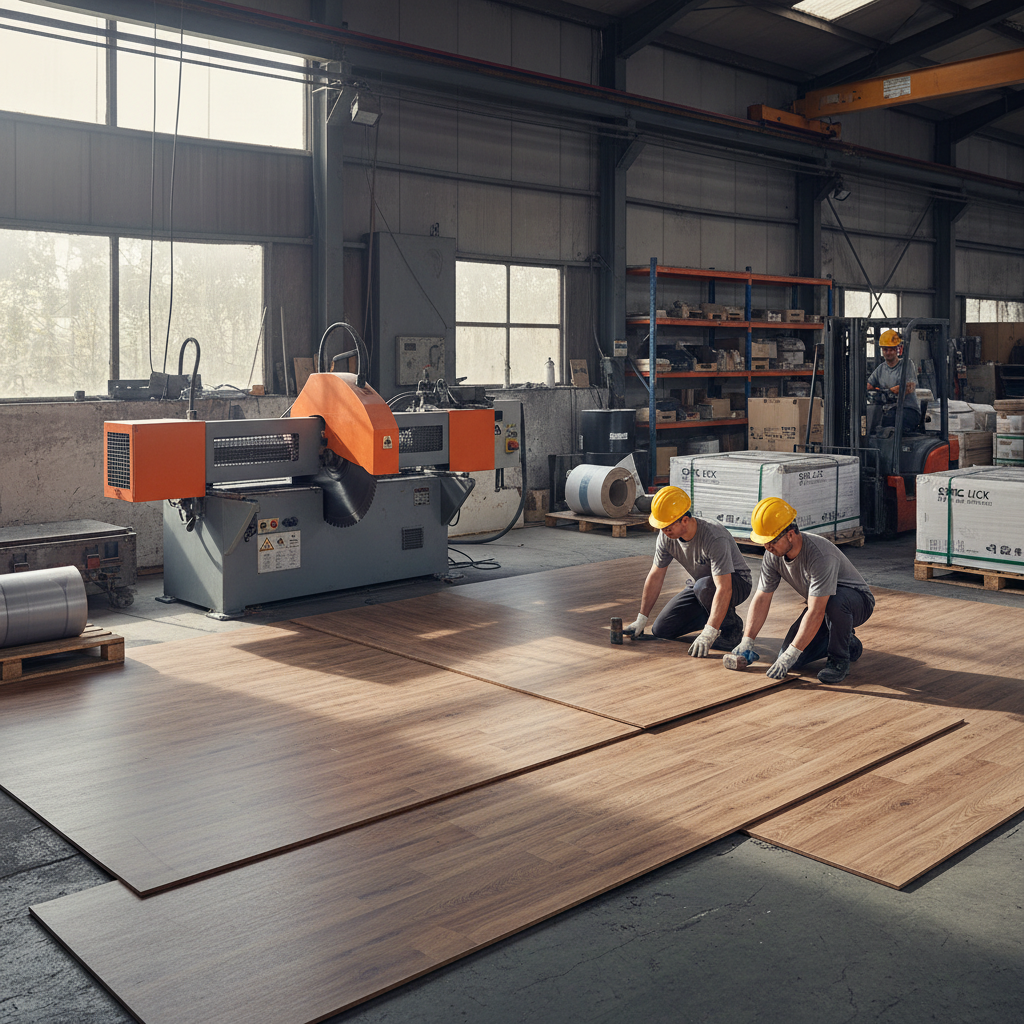 Comprehensive Guide to Durable Vinyl SPC Click Flooring Options and BenefitsChoosing the right flooring for your home or business is a significant decision. Vinyl SPC click flooring has emerged as a popular and durable option, offering a blend of aesthetic appeal and practical benefits. This article will explore the key features, advantages, installation process, and applications of SPC flooring, helping you determine if it's the right choice for your project. From its waterproof nature to its ease of installation, we'll cover everything you need to know.Read More >
Mar 31 2026
 +86 31185293045
  qian@ss711.com

Shijiazhuang Sothink trading Co., LTD.
Our company focuses on product development, production, sales and other all-round services, and is committed to providing customers with high-performance products and high-quality services.