


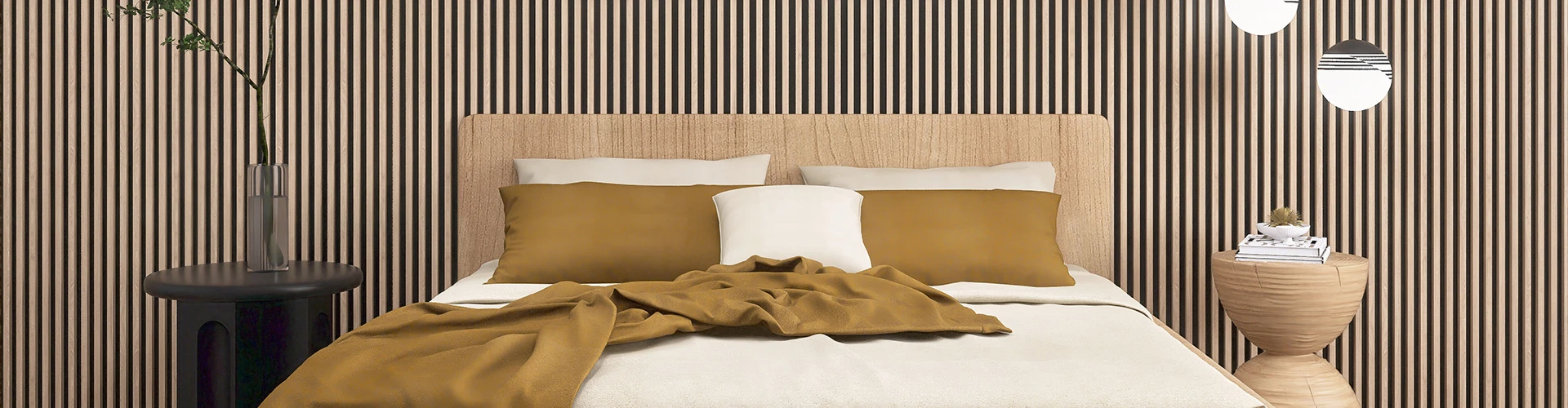
SPC Wood Flooring: Durable, Waterproof Flooring for Modern Spaces
Understanding SPC Wood Flooring: Durable, Stylish, and Sustainable
SPC wood flooring has become something of a quiet revolution in the flooring world—offering resilience, style, and eco-conscious benefits all in one package. But what exactly is SPC wood flooring, and why should businesses and homeowners care? In a global context, with increasing demand for sustainable, affordable, and long-lasting flooring solutions, SPC wood flooring answers many calls for quality and innovation. This article walks you through what SPC wood flooring is, highlights its advantages, and points to how it fits into the broader sustainability and construction trends worldwide.
Why SPC Wood Flooring Matters Globally
Flooring is a basic yet essential element in construction industries worldwide, and the demand is only growing. According to the International Standards Organization (ISO), the global flooring market size was valued at over $300 billion as of 2023, driven by urbanization and a rising middle class. However, challenges persist: traditional wood floors can be expensive, prone to damage, and raise sustainability concerns. SPC wood flooring offers a cost-efficient, durable, and eco-friendly alternative that’s winning favor globally — especially in regions needing resilient materials that handle moisture and wear well, such as tropical or industrial zones.
Frankly, the ability to combine aesthetic appeal with waterproof robustness and quick installation is why manufacturers, designers, and homeowners alike keep turning to SPC wood floors.
What Is SPC Wood Flooring?
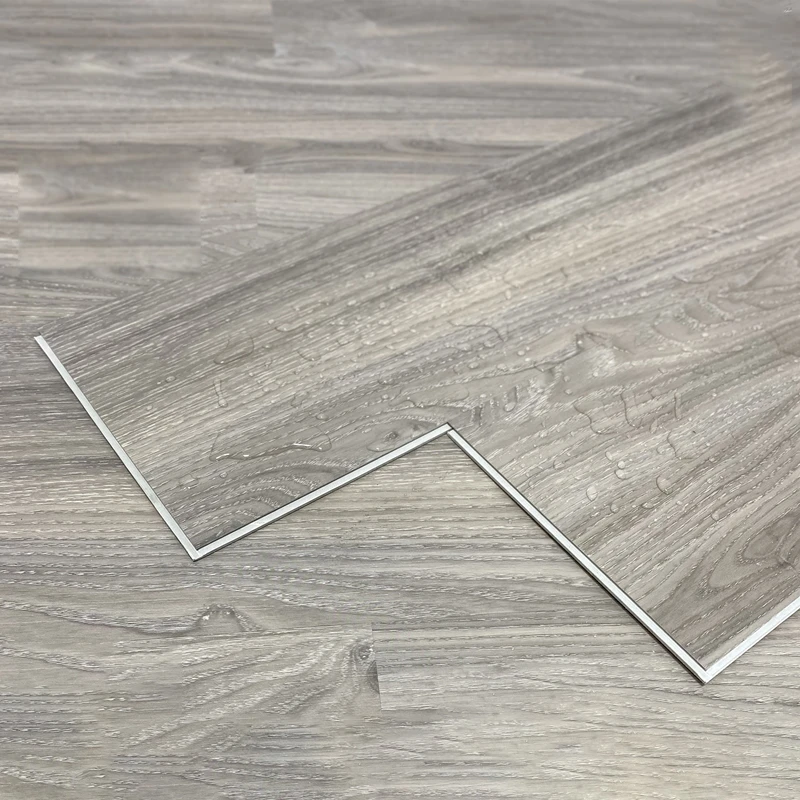
SPC stands for Stone Plastic Composite, a flooring material that combines natural limestone powder and stabilizers to create a rigid core, which is then layered with wear-resistant coatings and a printed vinyl layer that mimics beautiful hardwood’s look and texture.
Think of it as a marriage between the warmth of wood and the practical resilience of advanced composites. This flooring is waterproof, scratch-resistant, and dimensionally stable, making it perfect for modern homes, commercial spaces, or even humanitarian structures that demand rapid deployment and durability. It plays a growing role in eco-conscious construction as well, since it requires less natural wood than traditional flooring.
Key Components and Features of SPC Wood Flooring
- Durability and Stability: The stone-based core provides exceptional rigidity, preventing issues like warping and buckling that plague traditional wood floors.
- Waterproof Performance: Unlike laminate or hardwood, SPC wood flooring handles moisture exposure effortlessly—ideal for kitchens, bathrooms, or industrial zones.
- Cost Efficiency: SPC floors provide the look of high-end wood at a fraction of the installation and maintenance cost.
- Ease of Installation: The click-lock design allows for fast and clean installation, frequently without adhesives, meaning less downtime and labor.
- Design Versatility: High-definition printing technology replicates nearly every wood grain imaginable, allowing for customizable aesthetics.
- Eco-friendly Features: Less virgin wood use and often recyclable materials make it an increasingly sustainable option.
Mini takeaway: SPC wood flooring’s fusion of material science and design innovation makes it both practical and beautiful — fitting the demands of today’s construction quickly and economically.
Typical SPC Wood Flooring Product Specs
| Feature | Specification |
|---|---|
| Core Material | Stone Plastic Composite (limestone + PVC) |
| Thickness | 4–8 mm |
| Wear Layer | 0.3–0.7 mm PU enhanced |
| Dimensions (Plank Size) | 1219 x 180 mm (common) |
| Water Resistance | 100% Waterproof |
| Installation | Click-lock system, floating floor |
| Fire Rating | B1 (Class C) |
Where SPC Wood Flooring Shines: Global Use Cases
The versatility of SPC flooring lends itself to diverse applications worldwide. For instance, in Southeast Asia’s humid climates, SPC floors are preferred over hardwood, which can warp or swell. Industrial settings like factories and warehouses opt for it due to its abrasion resistance and ease of maintenance.
Interestingly, it’s also gaining traction in humanitarian and fast-deployment housing — think shelters post-natural disasters, where quick installation and durability are paramount. Many NGOs and relief organizations are incorporating SPC floors into modular housing units to provide comfort, hygiene, and dignity to displaced populations.
Moreover, commercial real estate developers in urban Europe and North America are increasingly choosing SPC flooring for retail and office spaces because it balances premium looks with practical resilience.
Mini takeaway: Whether it’s a luxury boutique hotel in Paris or a relief shelter in the Philippines, SPC wood flooring meets real-world demands elegantly.
Advantages and Long-term Value of SPC Wood Flooring
- Budget-Friendly: Costs less over time than traditional hardwood, factoring installation and upkeep.
- High Durability: With VOH-resistant surface layers, it outperforms wood and laminate, particularly in heavy-traffic areas.
- Environmentally Friendly: Reduced pressure on forests thanks to its composite nature and longer lifespan.
- Low Maintenance: Requires minimal cleaning and resists stains.
- Enhanced Indoor Air Quality: Many SPC products emit low VOCs, complying with ISO 16000 standards.
- Emotional Impact: Provides warmth and style that contributes to a welcoming, relaxing atmosphere—important in homes and workspaces alike.
What Sets Major SPC Flooring Vendors Apart?
| Vendor | Core Thickness | Wear Layer | Installation | Price Range (USD/m²) |
|---|---|---|---|---|
| Sothink Decor | 5 mm | 0.5 mm PU | Click Lock | $12 - $18 |
| Brand A | 6 mm | 0.3 mm PU | Glue Down | $10 - $15 |
| Brand B | 4 mm | 0.7 mm UV | Click Lock | $14 - $20 |
Future Trends and Innovations in SPC Wood Flooring
Looking ahead, the SPC flooring industry is riding a wave of innovation. Manufacturers are pushing the boundaries on sustainability, integrating bio-based plasticizers and non-toxic stabilizers into their composites. Digital printing technologies are becoming hyper-realistic, adding textures and grains that even experts struggle to differentiate from natural wood. Smart flooring concepts that embed sensors for wear monitoring or temperature feedback are also in research stages, leaning into the ‘smart home’ trend.
Moreover, policies focused on climate change and green building—think LEED and BREEAM certifications—favor SPC floors because of their durability and low ecological impact, which may soon translate into subsidies or incentives for developers adopting them.
Common Challenges and Expert Solutions
Although SPC wood flooring is impressive, some limitations remain. It can be heavier than other vinyl floors, requiring a strong subfloor. Also, while water-resistant, it’s not fully immune to standing water damage if improperly installed. Some users find the cold, hard surface less comfortable than traditional wood.
To tackle these, experts suggest:
- Ensuring professional subfloor preparation to avoid deflection issues.
- Using underlayment materials designed for thermal and sound insulation.
- Following strict installation guidelines to prevent moisture trapping.
- Pairing flooring with area rugs or heating systems for comfort.
FAQ: Frequently Asked Questions About SPC Wood Flooring
Q1: How long does SPC wood flooring typically last?
A: With proper care, SPC floors can last 15-25 years, thanks to their durable core and wear layers, outperforming many laminates and vinyl flooring options.
Q2: Is SPC wood flooring suitable for basements and other moisture-prone areas?
A: Yes, SPC is 100% waterproof and dimensionally stable, making it an excellent choice for basements, bathrooms, and kitchens where humidity is a concern.
Q3: Can SPC floors be installed over existing flooring?
A: Often, yes. As a floating floor, SPC can be installed over many existing, flat surfaces like tile or concrete, though subfloor smoothness is crucial for best results.
Q4: Are SPC floors environmentally friendly?
A: SPC floors use less natural wood since the core is mineral-based, and many products comply with low VOC regulations, making them a greener choice than traditional hardwood.
Q5: What maintenance is required for SPC wood flooring?
A: Routine cleaning with a damp mop and mild detergent is typically sufficient; avoid abrasive tools and excessive water to maintain the finish.
Conclusion: Why SPC Wood Flooring Is a Smart Choice
In summary, SPC wood flooring blends practicality with style, serving diverse needs from industrial flooring to chic home interiors. Its durability, cost-effectiveness, and environmental benefits make it an increasingly popular choice worldwide. If you’re curious about exploring SPC wood flooring for your next project, I suggest checking out trusted suppliers like spc wood flooring; their offerings balance quality and innovation superbly.
If your goals include longevity, quick installation, and aesthetic versatility, SPC wood flooring is definitely worth a close look.
That’s the truth as I’ve seen it in the field—SPC wood flooring is quietly transforming how we think about durable, sustainable flooring solutions.
References
-
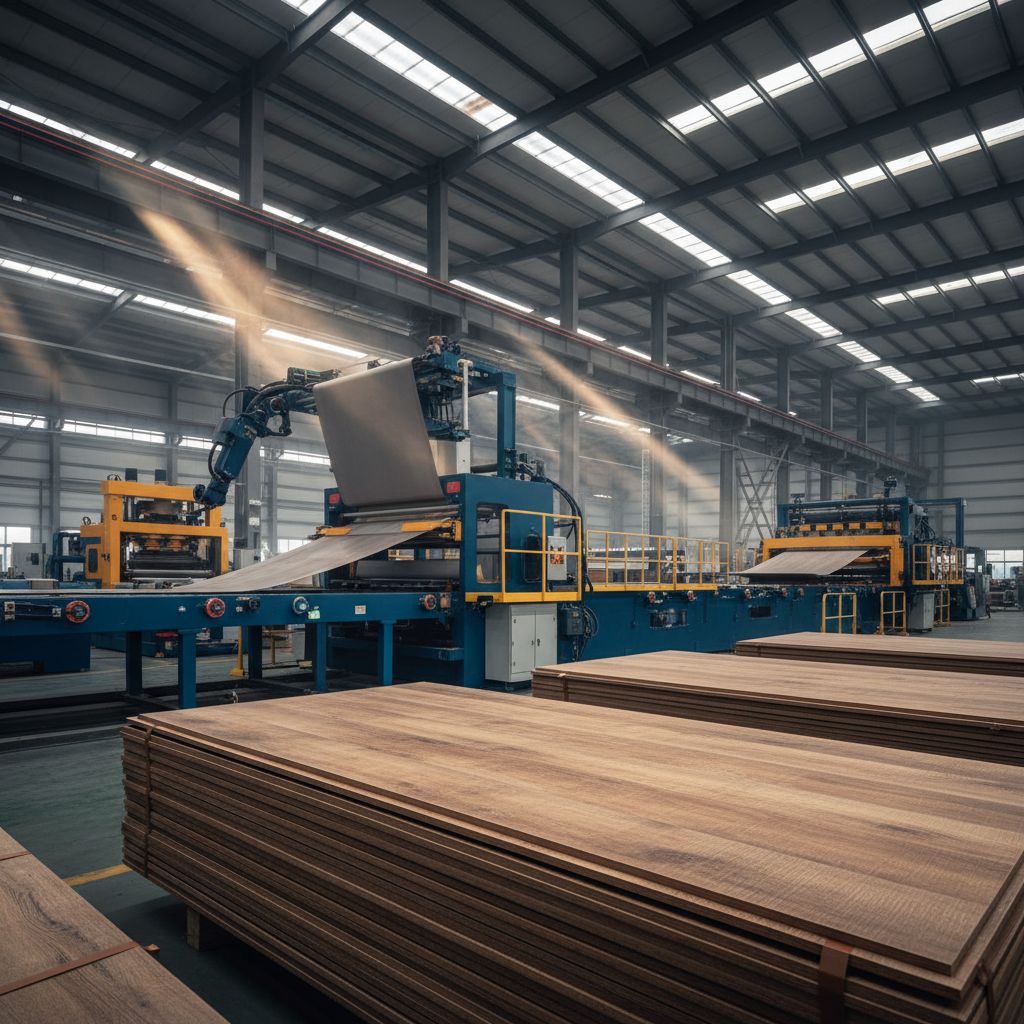 Ultimate Guide to Durable Waterproof SPC Vinyl Flooring StyleWhen renovating a modern home or commercial space, the flooring choice often defines the entire atmosphere. waterproof spc vinyl flooring has emerged as a revolutionary solution for those who refuse to compromise between aesthetic elegance and rugged performance. Standing for Stone Plastic Composite, SPC flooring is engineered to withstand the toughest environments, from moisture-prone bathrooms to high-traffic living rooms. In this comprehensive guide, we will explore why this material is dominating the interior design market and how it can transform your space into a sanctuary of style and resilience.Read More >
Apr 16 2026
-
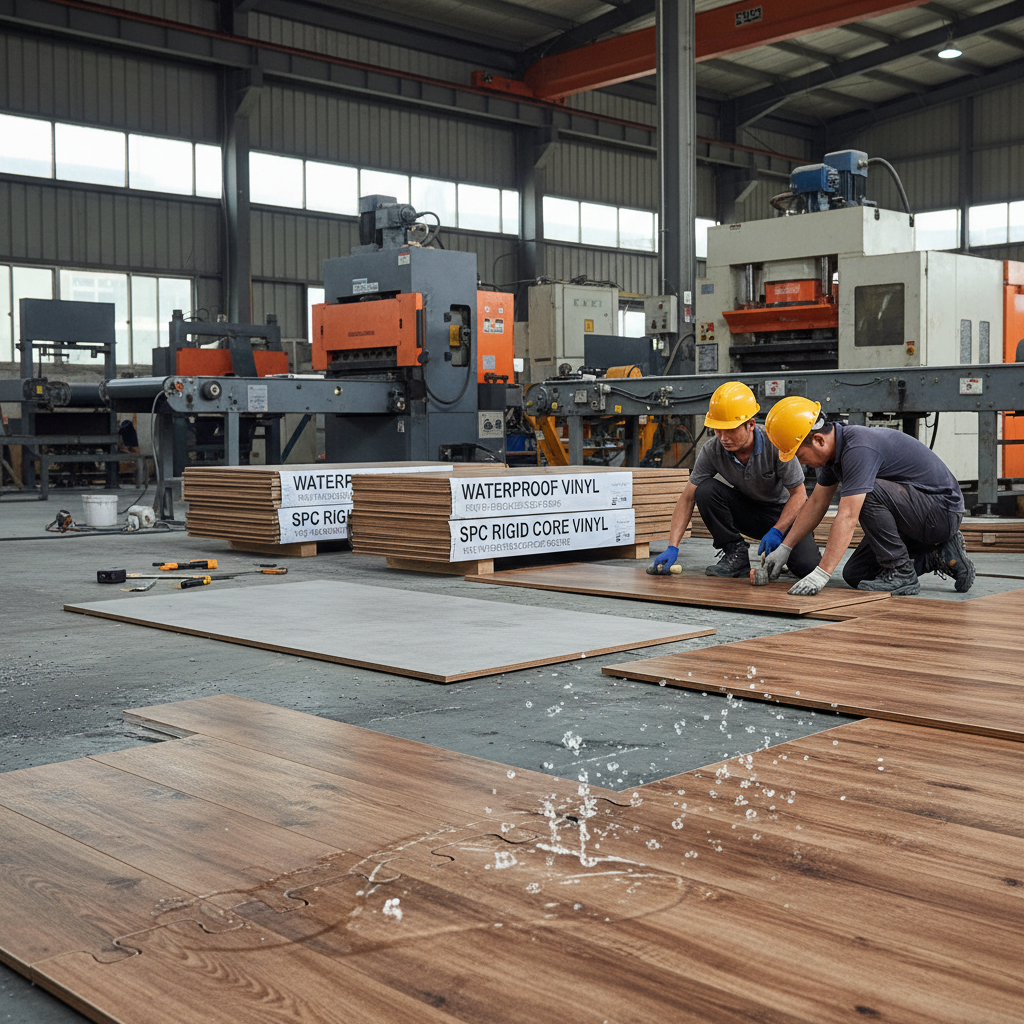 Ultimate Guide to Durable Waterproof SPC Rigid Core Vinyl FlooringChoosing the right flooring for a modern home or commercial space requires a balance between aesthetics and endurance. waterproof spc rigid core vinyl has emerged as a game-changer in the interior design world, offering the timeless look of hardwood with the unmatched resilience of stone polymer composite. Whether you are dealing with high-traffic hallways, moisture-prone bathrooms, or pet-friendly living rooms, this flooring solution provides a stable, waterproof, and scratch-resistant surface. In this comprehensive guide, we will explore why this innovative material is replacing traditional laminate and luxury vinyl planks in contemporary construction.Read More >
Apr 09 2026
-
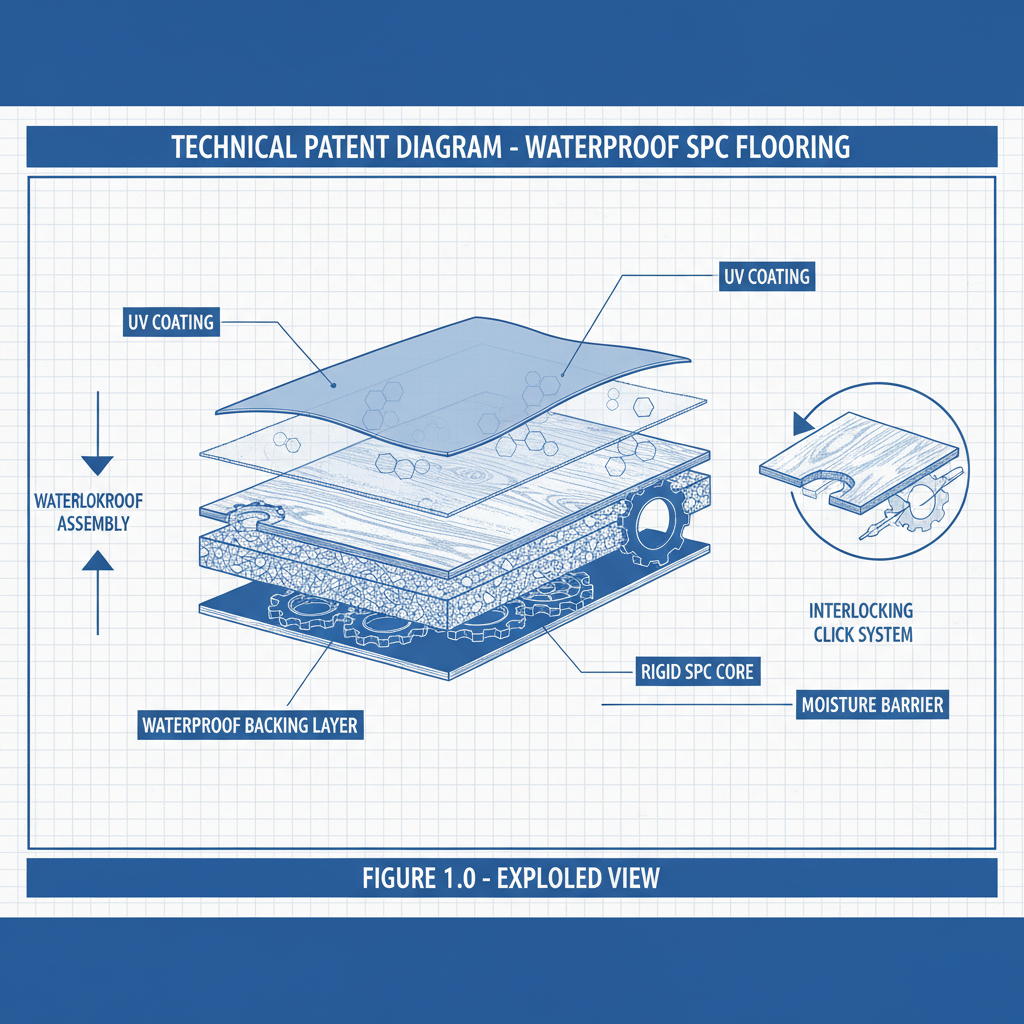 Comprehensive Guide to Waterproof SPC Flooring Durability and InstallationChoosing the right flooring for your home or business is a significant decision. Waterproof SPC flooring has emerged as a popular option due to its durability, affordability, and ease of installation. This article provides an in-depth look at waterproof SPC flooring, covering its benefits, installation process, maintenance, and comparisons with other flooring types. Understanding these aspects will help you determine if SPC flooring is the right choice for your project.Read More >
Apr 07 2026
-
 Discover the Durability and Style of Vinyl SPC Rigid Flooring SolutionsLooking for a durable, waterproof, and stylish flooring solution? Vinyl SPC rigid flooring is quickly becoming the go-to choice for homeowners and businesses alike. This article provides a comprehensive overview of this innovative flooring type, covering its benefits, installation, maintenance, and more. We’ll help you determine if SPC rigid vinyl flooring is the right fit for your project.Read More >
Apr 04 2026
-
 Comprehensive Guide to Durable Vinyl SPC Click Flooring Options and BenefitsChoosing the right flooring for your home or business is a significant decision. Vinyl SPC click flooring has emerged as a popular and durable option, offering a blend of aesthetic appeal and practical benefits. This article will explore the key features, advantages, installation process, and applications of SPC flooring, helping you determine if it's the right choice for your project. From its waterproof nature to its ease of installation, we'll cover everything you need to know.Read More >
Mar 31 2026
 +86 31185293045
  qian@ss711.com

Shijiazhuang Sothink trading Co., LTD.
Our company focuses on product development, production, sales and other all-round services, and is committed to providing customers with high-performance products and high-quality services.