


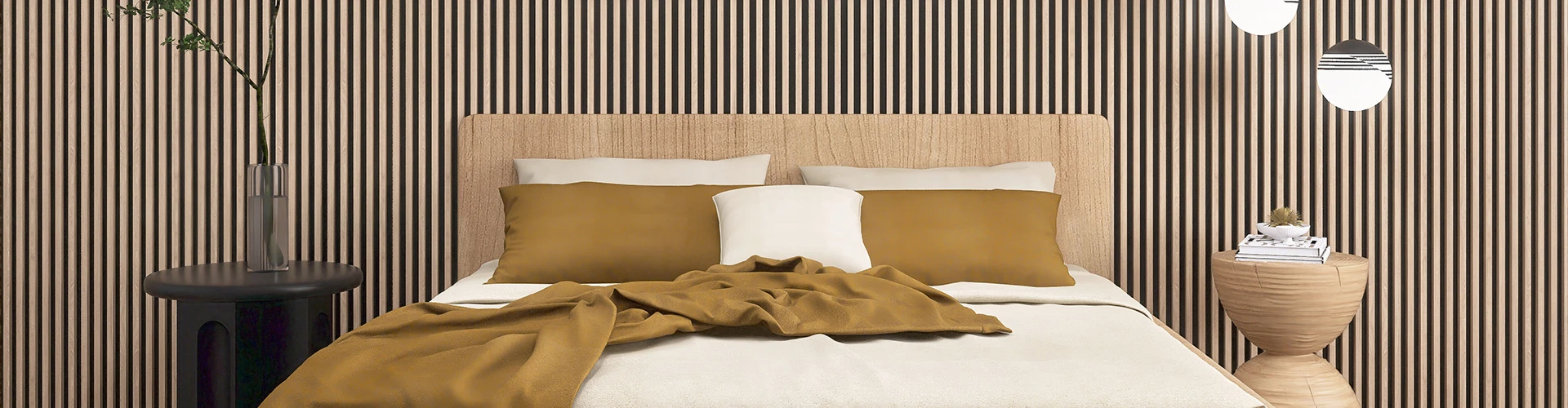
SPC WPC Flooring Explained: Durable, Waterproof, and Eco-Friendly Composite Floors
Understanding SPC WPC Flooring: A Modern Solution for Durable and Sustainable Interiors
If you’re delving into the world of flooring materials, chances are you’ve come across terms like SPC WPC flooring. It sounds a bit technical, doesn’t it? Yet, it’s transforming how homes and commercial spaces around the globe get their floors — promising durability, water resistance, and overall ease of maintenance. But why does this matter on a global scale? And what benefits does SPC WPC flooring bring that set it apart from traditional options? Let’s explore the ins and outs of this hybrid flooring technology that’s quietly reshaping interiors worldwide.
SPC WPC Flooring in a Global Context
Globally, the demand for resilient, cost-effective, and environmentally friendly building materials is soaring. According to the International Organization for Standardization (ISO), the flooring industry is undergoing a shift towards composite materials that offer better performance in both humid and heavy-traffic conditions. SPC (Stone Plastic Composite) and WPC (Wood Plastic Composite) flooring have emerged as leaders in this category, especially in regions with fluctuating climates—think Southeast Asia and parts of North America, where moisture and wear-and-tear can really wreck traditional flooring.
Now, a challenge many face—whether you’re in an urban apartment or a sprawling industrial warehouse—is balancing durability with aesthetics and cost. That’s where SPC WPC flooring steps up, offering a versatile solution that meets these multifaceted demands. Interestingly enough, their engineered cores allow for robustness while maintaining a pleasing appearance, which traditional options often struggle to provide.
Defining SPC and WPC Flooring
So, what exactly is SPC WPC flooring? In simple terms:
- SPC Flooring consists of a core made from limestone (stone powder), PVC, and stabilizers, resulting in an extremely dense and rigid platform.
- WPC Flooring features a wood-plastic composite core made by blending wood fibers with plastic, offering a slight flexibility and softer feel underfoot.
Both SPC and WPC fall under the umbrella of luxury vinyl flooring but differ significantly in their core materials and characteristics. The “SPC WPC flooring” term often appears in discussions when comparing or blending the two types for specific project needs.
Industrially, these products answer growing humanitarian and commercial needs—be it developing affordable flooring for rapidly expanding urban populations or providing easy-to-install surfaces in disaster-affected regions.
Core Components of SPC WPC Flooring
1. Durability
SPC flooring is renowned for its rock-solid density, boasting excellent scratch and dent resistance. This makes it ideal for high-traffic commercial spaces or homes with pets. WPC, while slightly softer, still offers good durability combined with comfort—a quality not trivial when you spend hours standing in the kitchen or office.
2. Water Resistance
Both SPC and WPC flooring are highly resistant to moisture, which is frankly a game-changer. This makes them suitable for kitchens, bathrooms, or even basements where traditional wood floors might warp or swell.
3. Comfort and Sound Insulation
WPC edges out SPC here, thanks to its thicker core that absorbs sound better and feels warmer underfoot. Imagine walking on cushioned wood rather than cold stone—that’s the difference many users note.
4. Installation Ease
The click-lock systems employed by these floors mean no glue or nails, speeding up installation significantly. This is especially useful for large commercial projects or quick renovations.
5. Environmental Considerations
WPC flooring, with its wood fibers, can sometimes feel more “eco-friendly,” though both SPC and WPC manufacturing processes have made strides towards reduced emissions and sustainable raw materials.
Product Specification Example
| Feature | SPC Flooring | WPC Flooring |
|---|---|---|
| Core Material | Limestone + PVC | Wood fiber + Plastic |
| Thickness | 3.5-5 mm | 4-8 mm |
| Water Resistance | 100% Waterproof | Highly Water Resistant |
| Sound Insulation | Low | Moderate |
| Installation | Click-lock | Click-lock |
Who’s Using SPC WPC Flooring Worldwide?
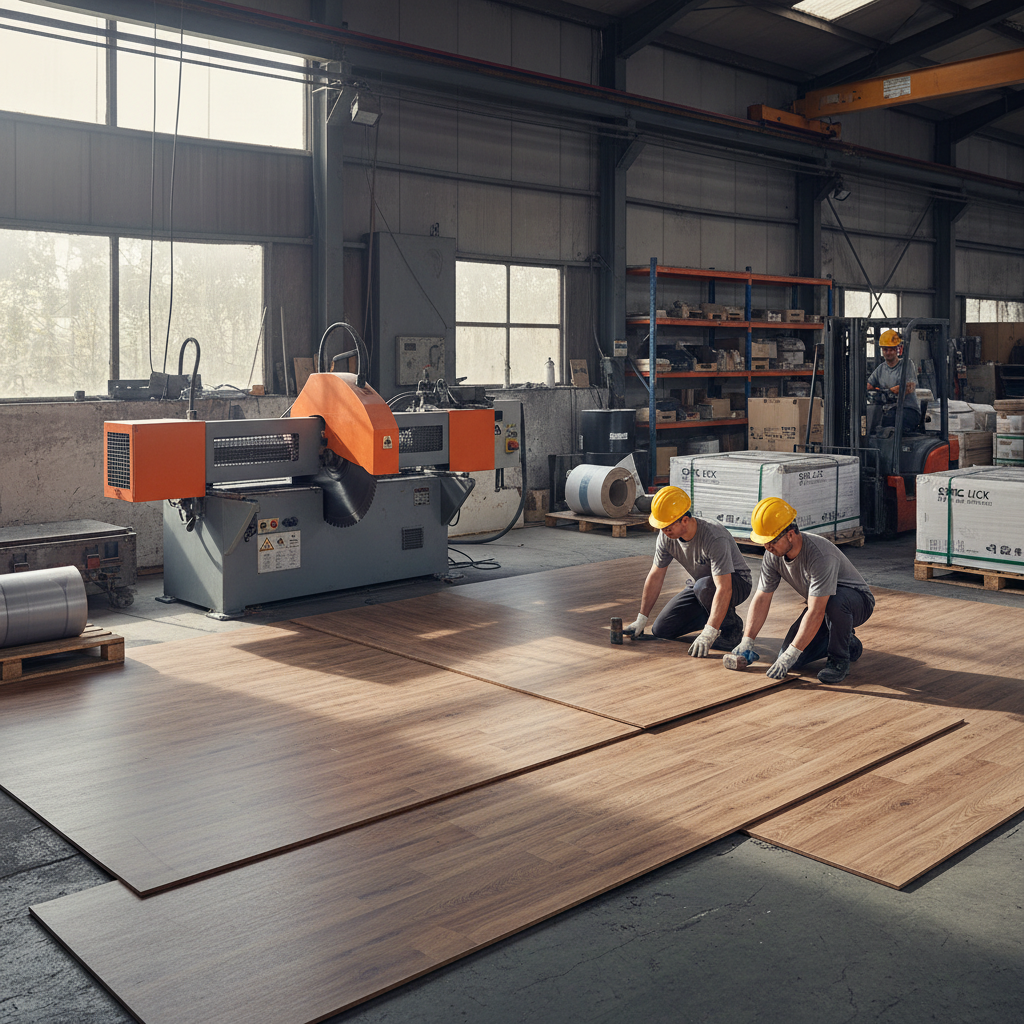
SPC and WPC flooring find applications across residential, commercial, and industrial sectors globally. In humid Southeast Asia, they’re prized for water resistance. In North America, offices demand their scratch resistance. Even humanitarian organizations are exploring them for temporary housing floors due to quick installation and robustness.
For example, some rapidly urbanizing African cities use spc wpc flooring in new affordable housing developments to combat termite damage common to traditional wood floors. Similarly, in post-disaster zones, modular homes benefit from these floors’ durability combined with fast deployment.
The Lasting Benefits of SPC WPC Flooring
- Cost Efficiency: Though initial costs can be slightly higher, longevity means fewer replacements, translating to long-term savings.
- Sustainability: Many manufacturers now offer recyclable SPC/WPC options, complementing green building initiatives.
- Comfort & Safety: Reduced slips and cushioned feel, especially with WPC, contribute to safer environments at home or work.
- Design Flexibility: From classic wood prints to modern textures, styles abound, keeping interiors trendy yet functional.
Emerging Trends in SPC WPC Flooring
Looking ahead, the flooring industry is focusing on:
- Integration of eco-friendly additives to reduce carbon footprints further.
- Implementation of digital printing technologies for higher fidelity designs.
- Smart flooring embedded with sensors for buildings’ energy and wear monitoring.
- Improved recycling processes to close the loop on composite materials.
Such innovations hint that the term “SPC WPC flooring” will increasingly refer to smarter, greener, and more customized solutions.
Common Challenges and How to Address Them
Oddly enough, one challenge users report is confusion around product types—sometimes SPC is sold as WPC or vice versa, leading to disappointing performance expectations. Clear labeling and education about differences help minimize this.
Installation errors also pop up, especially in DIY scenarios. Expert installers recommend acclimating the flooring in the installation environment beforehand to stabilize materials and prevent expansion issues later on.
Vendor Comparison: Top Suppliers of SPC and WPC Flooring
| Supplier | Product Range | Environmental Certification | Price Range (USD/m²) | Warranty |
|---|---|---|---|---|
| Sothink Decor | SPC & WPC varieties with various finishes | FSC, GREENGUARD | $15 - $30 | 15 years |
| FloorTech Solutions | SPC core only, focus on commercial | ISO 14001 | $12 - $25 | 10 years |
| GreenLayers | WPC exclusive, eco-friendly focus | LEED, FSC | $20 - $35 | 20 years |
FAQ: Your SPC WPC Flooring Questions Answered
- What’s the main difference between SPC and WPC flooring?
- SPC flooring has a rigid stone composite core, making it extremely dense and durable. WPC flooring uses a wood-plastic composite core, offering more comfort and sound insulation but slightly less hard-wearing properties.
- Is SPC WPC flooring suitable for wet areas like bathrooms?
- Yes! Both types are highly water-resistant; SPC is 100% waterproof, while WPC offers strong resistance but shouldn’t be submerged for extended periods.
- How long can SPC WPC flooring last in heavy-use environments?
- With proper installation and maintenance, SPC flooring can last 15-20 years or more, particularly in commercial spaces. WPC typically lasts a bit less due to its softer core but still offers excellent longevity.
- Are these flooring types environmentally friendly?
- Both have improved environmentally-friendly credentials recently, especially if certified by bodies like FSC or GREENGUARD. Recycling programs are also expanding, helping reduce waste.
- Where can I buy quality SPC WPC flooring?
- Consider reputable suppliers like Sothink Decor, who offer certified products with strong warranties and international shipping.
Conclusion: Why SPC WPC Flooring Makes Sense Today
In short, SPC WPC flooring combines the best of durability, water resistance, and aesthetic appeal—suited to countless environments worldwide. Whether you’re renovating your home, building commercial space, or outfitting modular housing, these composite floors are a smart bet for the long haul.
For those curious to explore more or source quality materials, drop by Sothink Decor’s site. There, you’ll find a great selection of SPC and WPC flooring options tailored to diverse needs and budgets.
So, next time you think flooring, think composite—it’s the future beneath your feet.
Mini takeaway: SPC WPC flooring marries innovation with practicality, paving the way for stronger, longer-lasting, and eco-conscious interiors.
References:
1. Wikipedia on Luxury Vinyl Tile
2. ISO Standards on Flooring Materials
3. U.S. Green Building Council – LEED
-
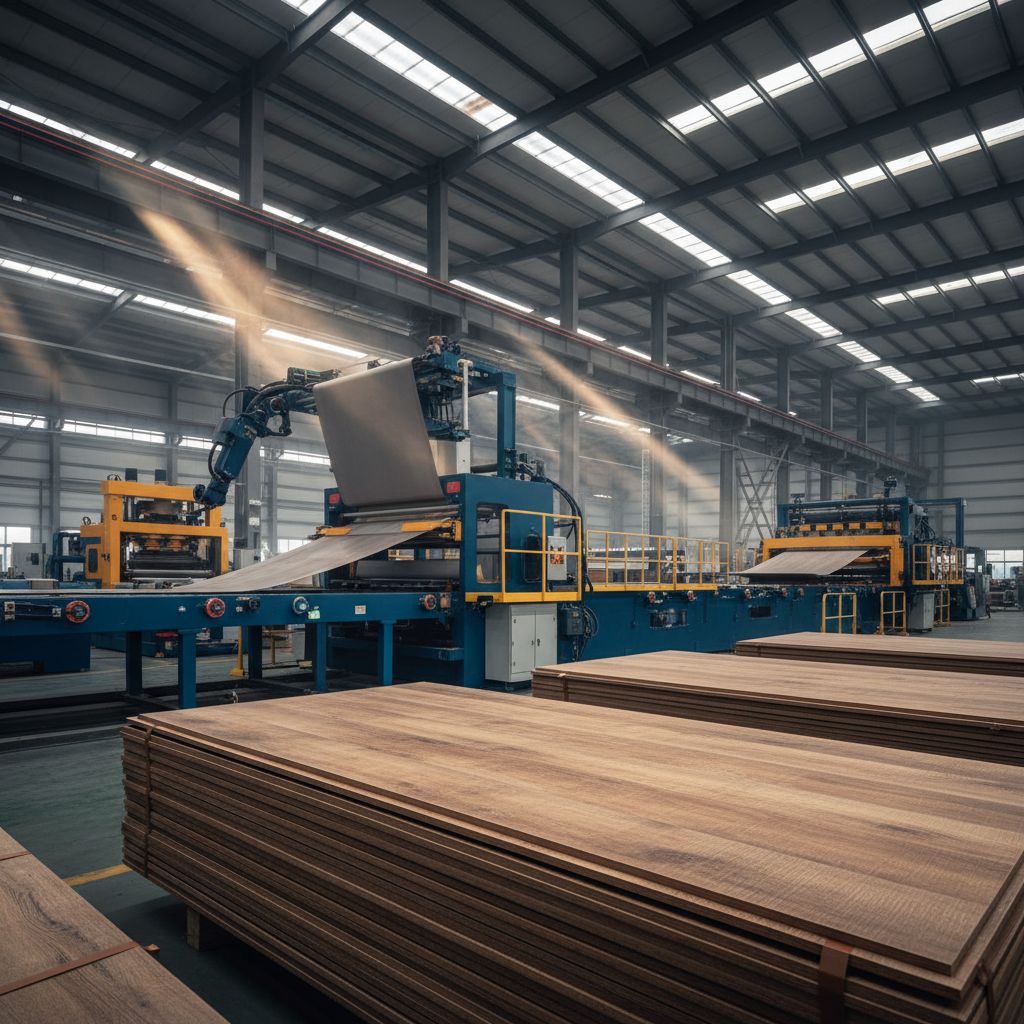 Ultimate Guide to Durable Waterproof SPC Vinyl Flooring StyleWhen renovating a modern home or commercial space, the flooring choice often defines the entire atmosphere. waterproof spc vinyl flooring has emerged as a revolutionary solution for those who refuse to compromise between aesthetic elegance and rugged performance. Standing for Stone Plastic Composite, SPC flooring is engineered to withstand the toughest environments, from moisture-prone bathrooms to high-traffic living rooms. In this comprehensive guide, we will explore why this material is dominating the interior design market and how it can transform your space into a sanctuary of style and resilience.Read More >
Apr 16 2026
-
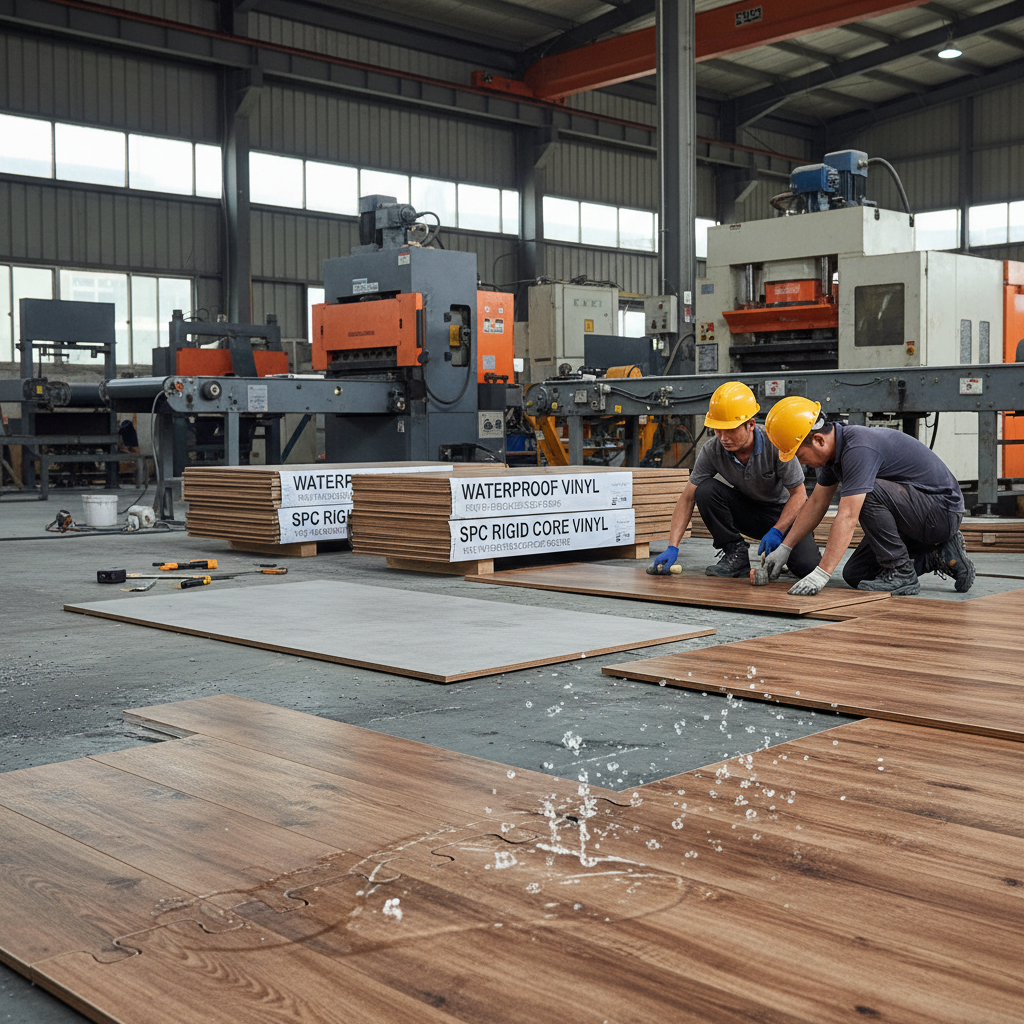 Ultimate Guide to Durable Waterproof SPC Rigid Core Vinyl FlooringChoosing the right flooring for a modern home or commercial space requires a balance between aesthetics and endurance. waterproof spc rigid core vinyl has emerged as a game-changer in the interior design world, offering the timeless look of hardwood with the unmatched resilience of stone polymer composite. Whether you are dealing with high-traffic hallways, moisture-prone bathrooms, or pet-friendly living rooms, this flooring solution provides a stable, waterproof, and scratch-resistant surface. In this comprehensive guide, we will explore why this innovative material is replacing traditional laminate and luxury vinyl planks in contemporary construction.Read More >
Apr 09 2026
-
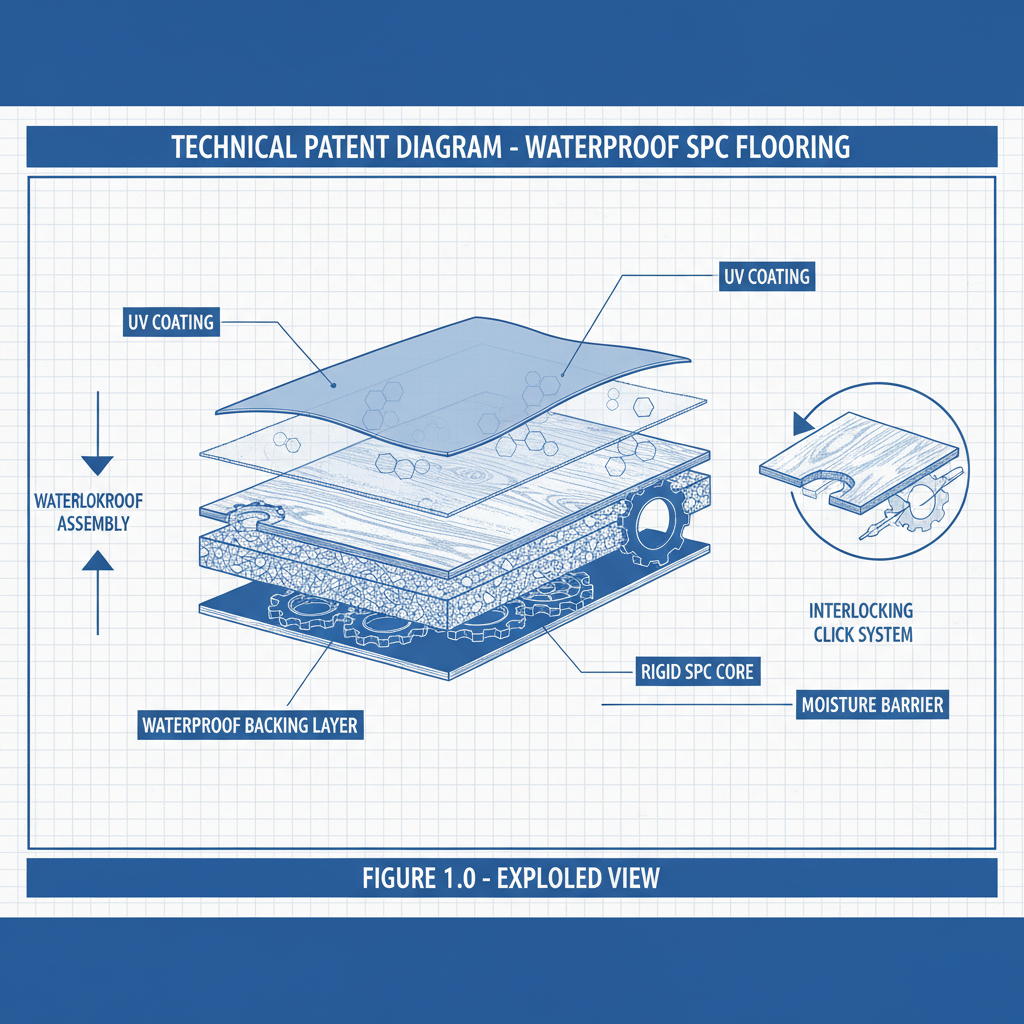 Comprehensive Guide to Waterproof SPC Flooring Durability and InstallationChoosing the right flooring for your home or business is a significant decision. Waterproof SPC flooring has emerged as a popular option due to its durability, affordability, and ease of installation. This article provides an in-depth look at waterproof SPC flooring, covering its benefits, installation process, maintenance, and comparisons with other flooring types. Understanding these aspects will help you determine if SPC flooring is the right choice for your project.Read More >
Apr 07 2026
-
 Discover the Durability and Style of Vinyl SPC Rigid Flooring SolutionsLooking for a durable, waterproof, and stylish flooring solution? Vinyl SPC rigid flooring is quickly becoming the go-to choice for homeowners and businesses alike. This article provides a comprehensive overview of this innovative flooring type, covering its benefits, installation, maintenance, and more. We’ll help you determine if SPC rigid vinyl flooring is the right fit for your project.Read More >
Apr 04 2026
-
 Comprehensive Guide to Durable Vinyl SPC Click Flooring Options and BenefitsChoosing the right flooring for your home or business is a significant decision. Vinyl SPC click flooring has emerged as a popular and durable option, offering a blend of aesthetic appeal and practical benefits. This article will explore the key features, advantages, installation process, and applications of SPC flooring, helping you determine if it's the right choice for your project. From its waterproof nature to its ease of installation, we'll cover everything you need to know.Read More >
Mar 31 2026
 +86 31185293045
  qian@ss711.com

Shijiazhuang Sothink trading Co., LTD.
Our company focuses on product development, production, sales and other all-round services, and is committed to providing customers with high-performance products and high-quality services.