


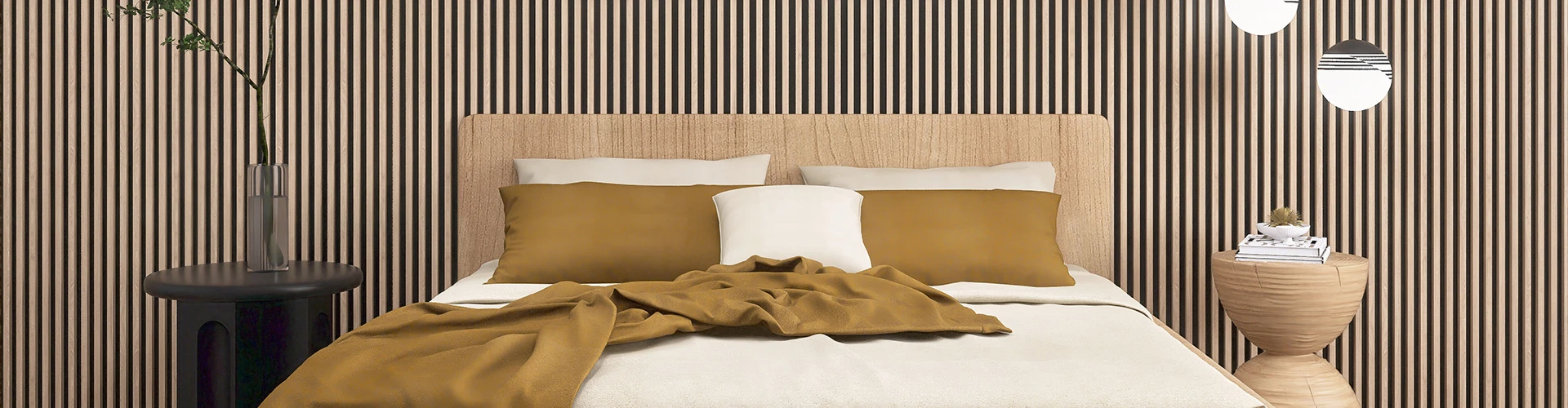
Stone Composite Flooring: Durable, Sustainable Flooring Solutions for Modern Construction
Understanding Stone Composite Flooring: Durable Solutions for Modern Spaces
If you’ve ever stepped onto a floor that felt both solid and elegant, yet was surprisingly eco-friendly and cost-effective, there’s a good chance it was stone composite flooring. But why is this composite material gaining traction worldwide, especially in construction and design industries increasingly committed to sustainability? Frankly, stone composite flooring strikes a clever balance between natural stone’s durability and modern engineered materials’ flexibility—making it a game-changer for everything from homes to high-traffic commercial spaces.
This article unpacks the essentials of stone composite flooring, touching on its global relevance, core components, practical uses, and what lies ahead in this evolving field. Given the increasing pressure on sustainable building—highlighted by UN stats showing the built environment accounts for around 38% of global CO2 emissions—understanding sustainable and durable flooring choices matters more than ever. So, let's dive into why you might consider stone composite flooring as your next project’s foundation.
Global Context: Why Stone Composite Flooring Matters Now
Globally, infrastructure is under strain from rapid urbanization and environmental concerns. According to the World Bank, urban populations are expected to reach 68% of the global population by 2050, pushing demand for durable, affordable, and sustainable construction materials. Stone composite flooring answers this call by offering a floor solution that’s not only resilient but also often made from recycled or responsibly sourced materials.
Interestingly enough, the ISO 22196 standard, which measures antibacterial properties, suggests that some stone composites can be engineered to resist microbial growth—an appealing feature for healthcare or food processing environments. Yet, challenges remain, such as balancing cost with aesthetic demands or navigating supply chain variations.
Mini takeaway: Stone composite flooring is gaining global relevance as a durable, sustainable response to urban infrastructure challenges and industry standards.
What Is Stone Composite Flooring?
Stone composite flooring is, in simple terms, a flooring material combining crushed natural stone with binders like resin or cement. The result is a versatile floor surface that mimics natural stone’s look and feel but offers enhanced properties like improved strength, easier installation, and often reduced costs. You can think of it as “nature meets engineering.”
From an industrial perspective, stone composite flooring supports humanitarian and commercial needs alike—whether in settings requiring fast, reliable flooring (think disaster relief shelters or remote work camps) or stylish commercial spaces needing tough surfaces that last decades.
Core Components & Properties of Stone Composite Flooring
Durability
Stone composite flooring is naturally resilient, resisting scratches, impact, and chemical wear better than many alternatives. This makes it ideal for busy airports, hospitals, and educational institutes where heavy foot traffic is a given.
Scalability and Installation
Installation can be remarkably flexible. Panels or tiles come in various sizes, and many products feature interlocking designs that reduce labor time. This scalability is a key factor in remote industrial projects or large-scale renovations.
Cost Efficiency
Obviously, solid natural stone might be pricier and challenging to transport. Composite stone floors typically use recycled aggregates or industrial byproducts, cutting costs without sacrificing quality—perfect for budget-conscious developments.
Design Versatility
Manufacturers can customize color, texture, and even integrate anti-slip or antimicrobial finishes, making it ideal for a wide range of environments from sleek offices to outdoor patios.
Sustainability
Many composites utilize recycled stone dust or slag from industrial processes. This regenerative use of waste materials helps reduce landfill and raw quarrying impacts—plus, stone composites are often recyclable themselves.
Stone Composite Flooring Product Specs
| Specification | Typical Range | Remarks |
|---|---|---|
| Thickness | 10 - 30 mm | Depends on application & load |
| Compressive Strength | 50 - 80 MPa | Comparable to natural stone |
| Water Absorption | Enhanced with sealants | |
| Slip Resistance (COF) | 0.6 - 0.85 | Sufficient for commercial use |
| Thermal Conductivity | 1.2 W/m·K | Good for underfloor heating |
Global Applications and Real-World Use Cases
Stone composite flooring finds its way into diverse environments worldwide.
- Post-Disaster Relief: Rapid installation and durability make these floors suitable for temporary shelters that may later become permanent homes.
- Commercial Spaces: Airports, shopping malls, and hospitals favor them for lasting wear and easy maintenance.
- Industrial Zones: Resistant to chemical exposure, stone composite floors serve factories handling corrosive materials.
- Residential Projects: Designers choose composites for aesthetics and sustainability, especially in green certification programs.
For example, in Northern Europe, urban planners have incorporated stone composite flooring from suppliers certified for sustainable sourcing to upgrade city plazas while meeting stringent environmental guidelines.
Mini takeaway: The versatility of stone composite flooring makes it a popular choice across humanitarian, industrial, and commercial sectors globally.
Advantages and Long-Term Value
The benefits of stone composite flooring extend beyond physical attributes:
- Cost Savings: Lower material and installation costs compared to solid stone. Also, longer life spans reduce replacement frequency.
- Environmental Benefits: Use of recycled materials and reduced quarrying impact help meet sustainability goals.
- Safety and Hygiene: Anti-slip finishes mitigate accidents; antibacterial properties improve health environments.
- Emotional Appeal: The look and feel of natural stone lend dignity and comfort to spaces, fostering trust with occupants.
Future Trends & Innovations in Stone Composite Flooring
The future is certainly bright and innovative. Smart flooring technologies are creeping in, integrating sensors that monitor wear or occupancy. Meanwhile, green innovations aim to reduce resin or cement binders' carbon footprints by employing bio-based or recycled polymers. Industry 4.0’s digital manufacturing techniques enable higher customizability at lower cost, meaning architects can design complex patterns with ease.
Challenges and Solutions
Despite many advantages, there are hurdles: variability in recycled content may affect consistency; improper installation can compromise durability; and sometimes appearance lacks the timelessness of pure stone.
Experts advise rigorous supply chain vetting and professional installation teams to overcome these. Furthermore, ongoing R&D focuses on hybrid composites blending natural stone with novel binders for superior performance.
FAQ: Frequently Asked Questions About Stone Composite Flooring
-
Q: How long does stone composite flooring typically last?
A: With proper installation and maintenance, stone composite flooring can easily last 20–30 years in commercial settings, sometimes longer in residential use. -
Q: Is stone composite flooring eco-friendly?
A: Yes, many products use recycled stone materials and binders designed to reduce environmental impact, aligning well with sustainability standards. -
Q: Can stone composite flooring handle heavy machinery loads?
A: Absolutely. Their high compressive strength makes them suitable for warehouses or factories with heavy foot or machinery traffic. -
Q: How do I choose a reliable stone composite flooring vendor?
A: Look for certifications (e.g., ISO compliance), track record on installations, and transparent sourcing policies. Comparing multiple vendors helps (see table below).
| Vendor | Sustainability Certifications | Price Range (per sq.m) | Lead Time | Key Differentiator |
|---|---|---|---|---|
| RockSolid Floors | LEED, ISO 14001 | $25 - $40 | 4 weeks | High recycled content |
| EcoStones Inc. | ISO 9001, Cradle to Cradle | $30 - $50 | 3-5 weeks | Custom colors/textures |
| StoneTech Solutions | ISO 22196, LEED | $20 - $38 | 5 weeks | Antimicrobial coatings |
Conclusion
Stone composite flooring offers a unique blend of durability, sustainability, and design flexibility that addresses many challenges in today’s construction and design landscapes. In real terms, it supports both the planet and end users—whether in fast-deployment housing, industrial settings, or elegant commercial projects. If you’re considering flooring that balances cost, performance, and environmental responsibility, it’s worth exploring what stone composite flooring can do for your space.
For more details and to explore product options, visit our website: stone composite flooring.
Reflecting on this, it’s clear that blending traditional materials with modern composites isn’t just smart engineering—it’s a pivotal step toward sustainable, beautiful built environments.
References
-
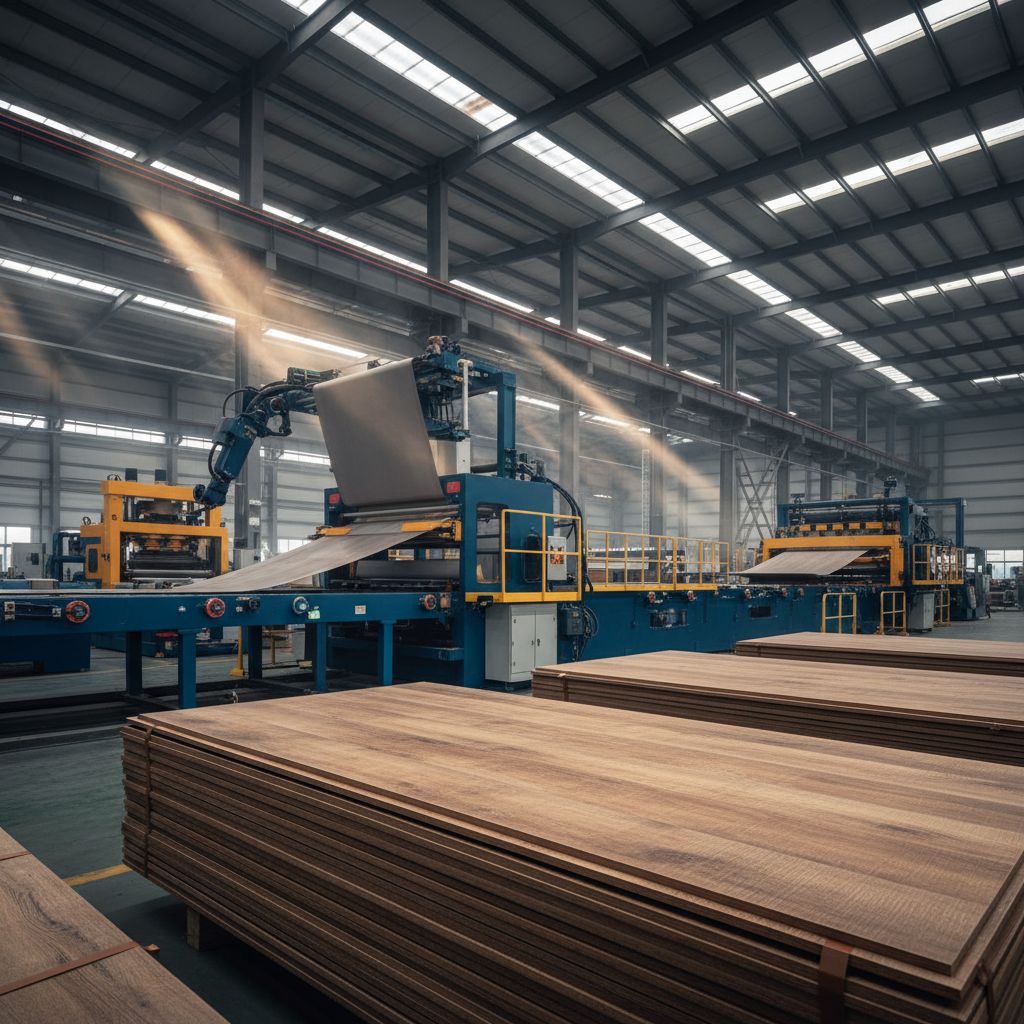 Ultimate Guide to Durable Waterproof SPC Vinyl Flooring StyleWhen renovating a modern home or commercial space, the flooring choice often defines the entire atmosphere. waterproof spc vinyl flooring has emerged as a revolutionary solution for those who refuse to compromise between aesthetic elegance and rugged performance. Standing for Stone Plastic Composite, SPC flooring is engineered to withstand the toughest environments, from moisture-prone bathrooms to high-traffic living rooms. In this comprehensive guide, we will explore why this material is dominating the interior design market and how it can transform your space into a sanctuary of style and resilience.Read More >
Apr 16 2026
-
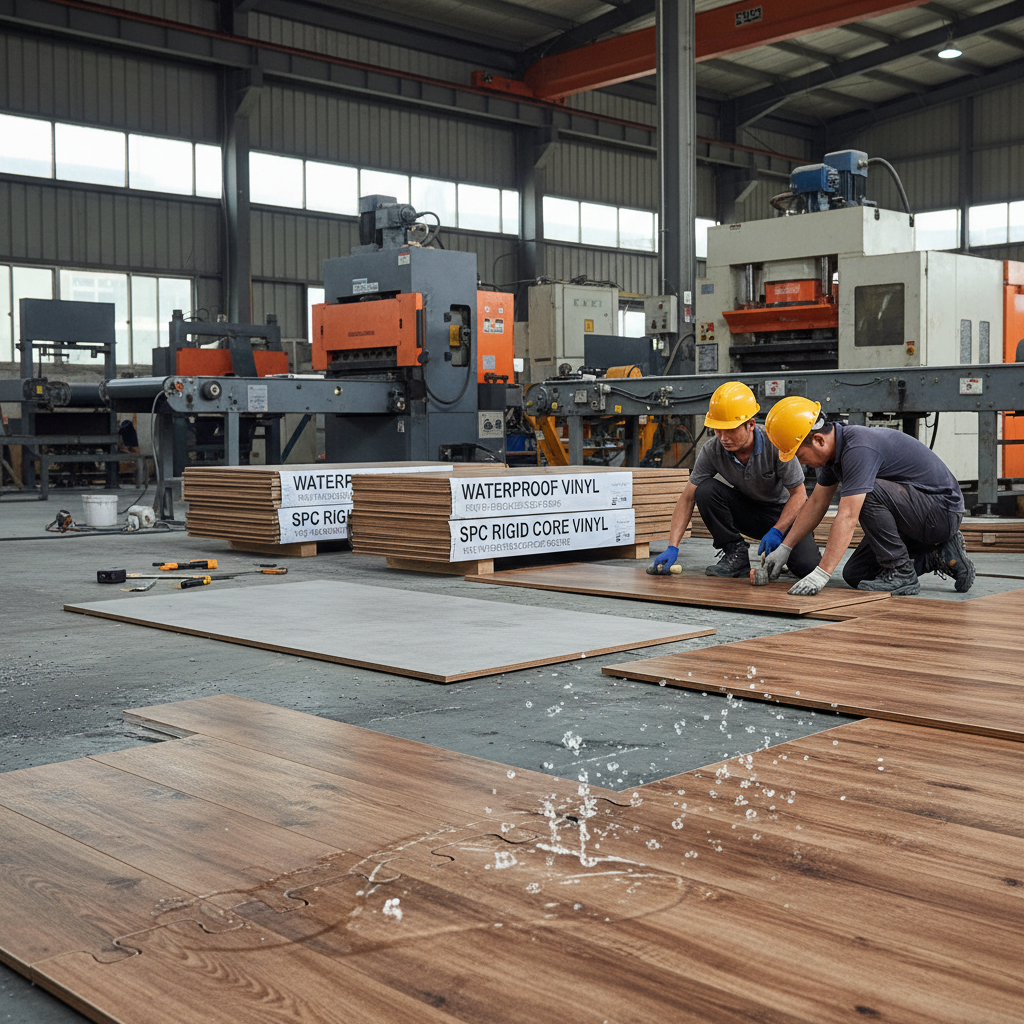 Ultimate Guide to Durable Waterproof SPC Rigid Core Vinyl FlooringChoosing the right flooring for a modern home or commercial space requires a balance between aesthetics and endurance. waterproof spc rigid core vinyl has emerged as a game-changer in the interior design world, offering the timeless look of hardwood with the unmatched resilience of stone polymer composite. Whether you are dealing with high-traffic hallways, moisture-prone bathrooms, or pet-friendly living rooms, this flooring solution provides a stable, waterproof, and scratch-resistant surface. In this comprehensive guide, we will explore why this innovative material is replacing traditional laminate and luxury vinyl planks in contemporary construction.Read More >
Apr 09 2026
-
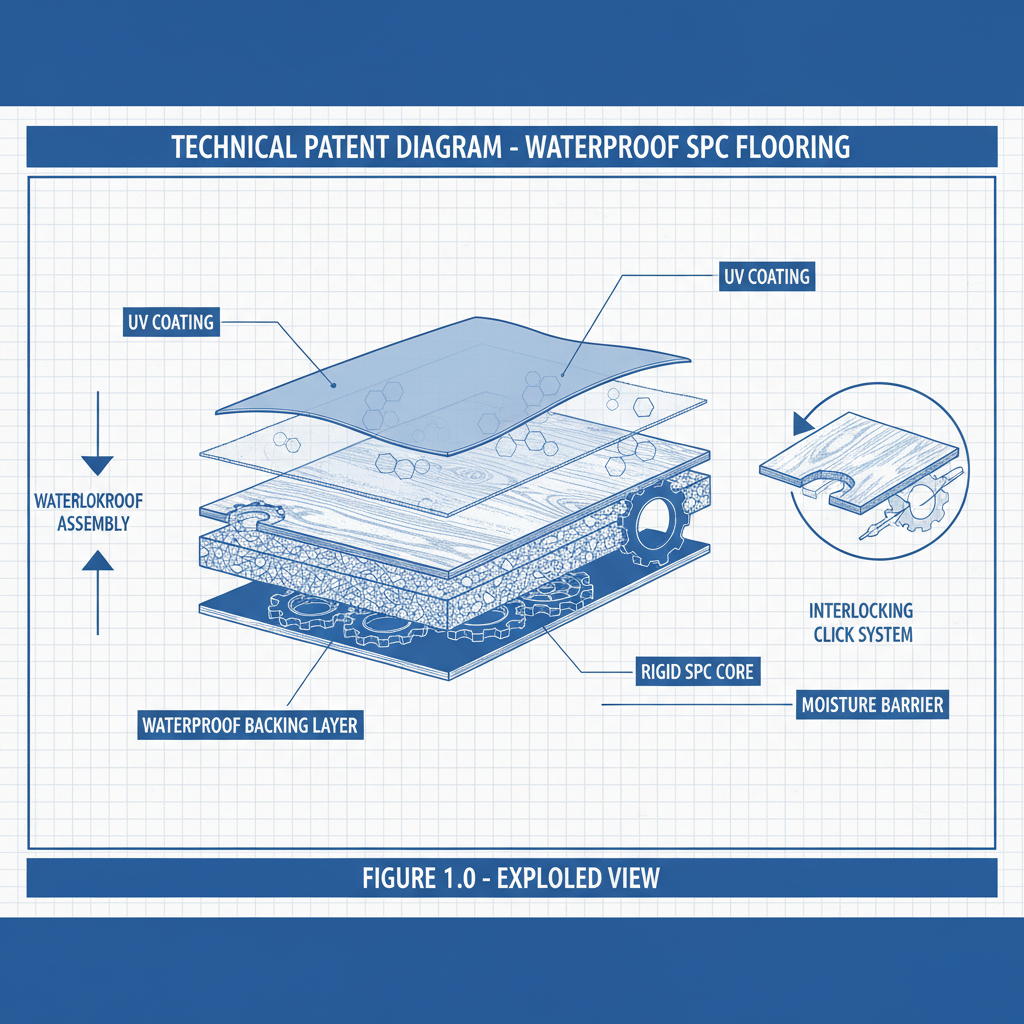 Comprehensive Guide to Waterproof SPC Flooring Durability and InstallationChoosing the right flooring for your home or business is a significant decision. Waterproof SPC flooring has emerged as a popular option due to its durability, affordability, and ease of installation. This article provides an in-depth look at waterproof SPC flooring, covering its benefits, installation process, maintenance, and comparisons with other flooring types. Understanding these aspects will help you determine if SPC flooring is the right choice for your project.Read More >
Apr 07 2026
-
 Discover the Durability and Style of Vinyl SPC Rigid Flooring SolutionsLooking for a durable, waterproof, and stylish flooring solution? Vinyl SPC rigid flooring is quickly becoming the go-to choice for homeowners and businesses alike. This article provides a comprehensive overview of this innovative flooring type, covering its benefits, installation, maintenance, and more. We’ll help you determine if SPC rigid vinyl flooring is the right fit for your project.Read More >
Apr 04 2026
-
 Comprehensive Guide to Durable Vinyl SPC Click Flooring Options and BenefitsChoosing the right flooring for your home or business is a significant decision. Vinyl SPC click flooring has emerged as a popular and durable option, offering a blend of aesthetic appeal and practical benefits. This article will explore the key features, advantages, installation process, and applications of SPC flooring, helping you determine if it's the right choice for your project. From its waterproof nature to its ease of installation, we'll cover everything you need to know.Read More >
Mar 31 2026
 +86 31185293045
  qian@ss711.com

Shijiazhuang Sothink trading Co., LTD.
Our company focuses on product development, production, sales and other all-round services, and is committed to providing customers with high-performance products and high-quality services.