



Stone Plastic Composite SPC: Durable, Sustainable Building Materials Revolution
Stone Plastic Composite SPC: Durable Innovation in Modern Building Materials
In a world constantly looking for more sustainable, efficient, and long-lasting building solutions, stone plastic composite SPC stands out as a remarkable breakthrough. Broadly speaking, SPC flooring and related products combine natural stone powder with plastic polymers, resulting in a composite that is rigid, waterproof, and incredibly resilient to wear and environmental stress. Given the rapid urbanization patterns worldwide and the drive toward eco-friendly construction materials, understanding SPC's role is more than a niche technical curiosity — it’s a global industrial imperative.
Introduction: Why Stone Plastic Composite SPC Matters on a Global Scale
Global construction markets are expanding at a dizzying pace. According to the United Nations population prospects, urban populations will rise by 2.5 billion people by 2050. This surge strains traditional building resources and accelerates the demand for eco-friendly, cost-effective materials. Enter stone plastic composite SPC — a material innovatively designed to address multiple challenges: durability, resource scarcity, and the environmental footprint.
Because SPC flooring requires less natural wood and reduces dependency on volatile raw materials, its adoption directly contributes to reducing deforestation and waste generation. Not to mention, workplaces, commercial spaces, and even humanitarian shelters benefit from the ease and speed of SPC installation. But what actually is SPC, and how does it fit into the modern industry context? Let’s unpack that.
Defining Stone Plastic Composite SPC: What Makes It Unique?
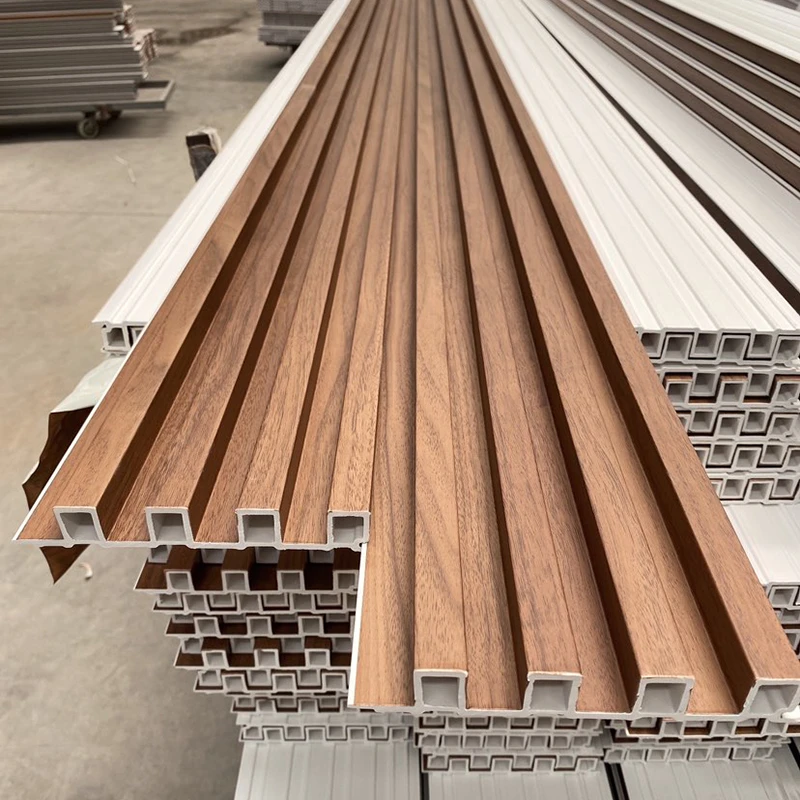
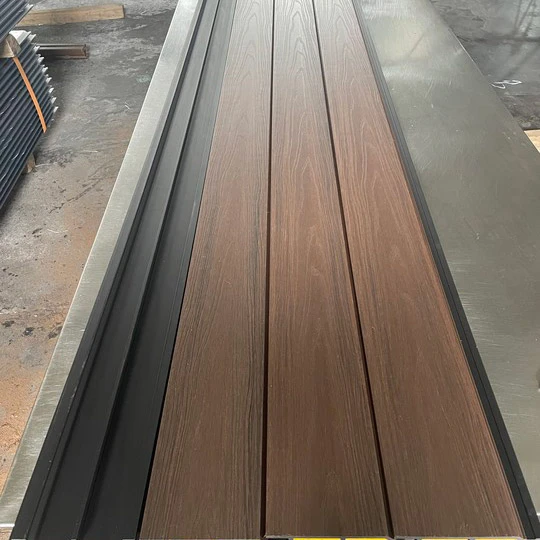
At its core, stone plastic composite (SPC) is a kind of rigid core vinyl flooring. The “stone” component refers to finely ground limestone or calcium carbonate mixed with plastic polymers (usually PVC). This blend creates a material that is denser and more stable than traditional vinyl flooring or laminate wood. Not just limited to flooring, SPC technologies have extended into panels, skirting, and protective coatings in commercial construction.
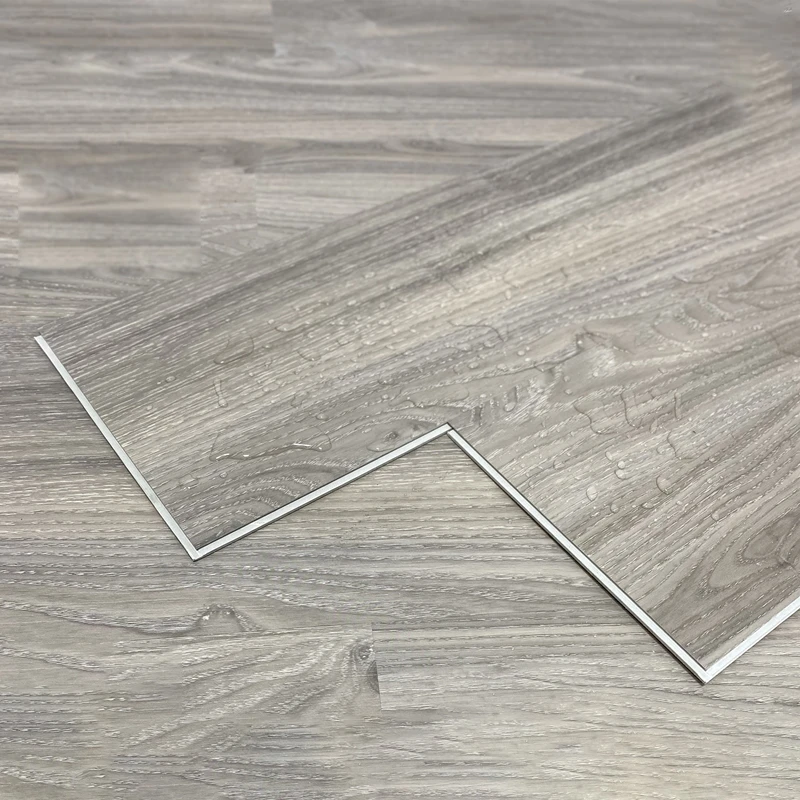
SPC’s significance stems from its fusion of natural minerals and plastic polymers, producing a product that is 100% waterproof, resistant to denting, and dimensionally stable under varied temperature and humidity conditions. This has profound implications for industries looking for long-lasting, high-quality materials, ranging from hospitality to healthcare, even humanitarian aid.
Core Components and Key Factors of Stone Plastic Composite SPC
1. Durability and Stability
SPC panels resist warping and swelling unlike traditional hardwood or laminate floors. Their rigid core helps withstand heavy foot traffic and mechanical impacts, which explains their popularity in commercial settings.
2. Waterproof Nature
Thanks to SPC’s fully waterproof core structure, it doesn’t absorb moisture. This means it performs particularly well in kitchens, basements, and even outdoor transitional spaces without deterioration.
3. Sustainability Credentials
Using calcium carbonate, a naturally abundant mineral, alongside recyclable PVC, SPC reduces the demand for scarce natural timber. Some manufacturers employ recycled components, helping cut landfill waste even more.
4. Cost Efficiency
Though initial costs can sometimes be higher than low-end vinyl, SPC’s lifespan and minimal maintenance needs generally make it more economical in the long run — a crucial factor for large-scale construction projects.
5. Installation and Scalability
SPC flooring typically features click-lock mechanisms allowing rapid installation with minimal specialized tools. This ease facilitates scalability across vast commercial properties or quick-deploy humanitarian shelters.
Global Applications & Real-World Use Cases
- Commercial Buildings: Airports, malls, and offices extensively use SPC for its resilience and low upkeep.
- Residential: In regions with high humidity or sporadic floods, homeowners prefer SPC flooring to traditional hardwood.
- Post-Disaster Relief: NGOs utilize SPC panels as quick-deploy flooring solutions in temporary shelters, capitalizing on waterproofing and long-lasting durability.
- Industrial Zones: Factories and warehouses in harsh climates deploy SPC for floor coverings due to its chemical and mechanical resistance.
Oddly enough, regions with unpredictable weather, such as Southeast Asia and parts of Europe, have seen surges in SPC use, reflecting its versatility.
Stone Plastic Composite SPC: Advantages & Long-Term Value
- Longevity: SPC products boast service lives easily exceeding 15 years even in high-impact environments.
- Environmental Impact: Reduced timber usage and potential incorporation of recycled materials mitigate carbon footprints.
- Health and Safety: SPC surfaces are typically low-VOC, meaning fewer harmful emissions indoors, promoting occupant well-being.
- Cost-Effectiveness: Minimal maintenance means less downtime and fewer replacement costs.
- Innovation: Constant material improvements, from enhanced surface UV resistance to integrated antimicrobial technology, are powering its future.
Product Specifications for a Typical SPC Flooring Panel
| Specification | Details |
|---|---|
| Core Material | Calcium carbonate + PVC |
| Thickness | 4.0 - 8.0 mm |
| Width | 180 - 220 mm |
| Length | 1200 - 1500 mm |
| Water Resistance | 100% Waterproof |
| Fire Rating | Class B1 (flame retardant) |
Vendor Comparison: Popular SPC Flooring Brands
| Brand | Material Quality | Eco-Friendliness | Price Range | Typical Use |
|---|---|---|---|---|
| Brand A | High-grade limestone | Recycled PVC components | $$$ | Commercial and residential |
| Brand B | Standard composites | Limited recycled content | $$ | Industrial, offices |
| Brand C | Premium composites with UV layer | Certified eco-friendly | $$$$ | Luxury residential & commercial |
Future Trends and Innovations in Stone Plastic Composite SPC
Frankly, the future of SPC materials seems bright — and a bit surprising. Industry insiders reveal ongoing research into integrating nanomaterials for enhanced antimicrobial properties, which could revolutionize healthcare facilities. Additionally, efforts to replace PVC with bio-based polymers are gaining traction, aligning SPC products with stringent global sustainability goals.
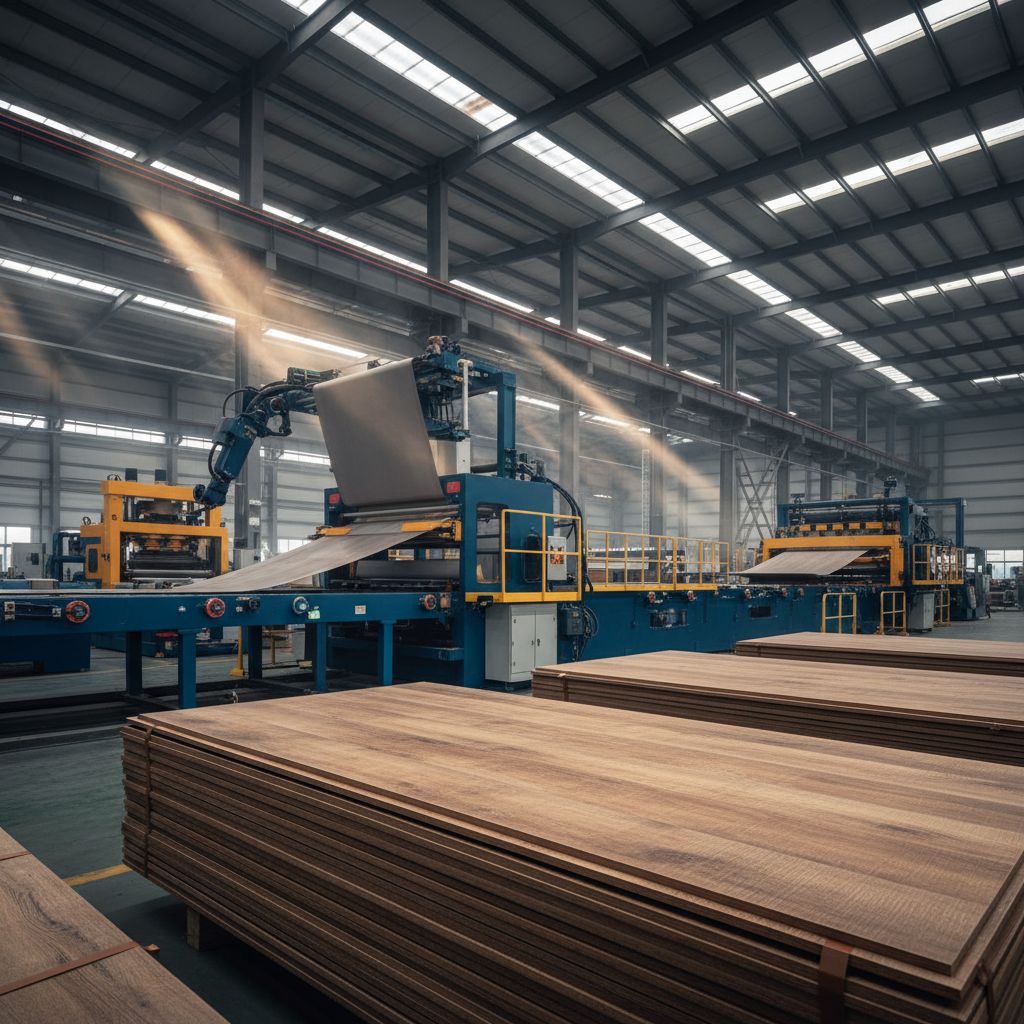
Digital automation in manufacturing enables customization at scale, meaning architects can specify exact panel shapes, colors, and tolerances for complex projects. Meanwhile, with rising emphasis on green building certifications like LEED and WELL, SPC manufacturers are highlighting environmental and health performance to win projects worldwide.
Challenges and Solutions
That said, SPC isn’t without hurdles. The production process involves PVC, which raises environmental concerns about plastic use and end-of-life disposal. Moreover, lower-end SPC products sometimes cut corners on material quality, leading to premature wear — which frankly, undermines trust in the brand.
Experts advise prioritizing certified SPC materials with recycled content and robust warranties. Innovations in recycling SPC flooring itself are also emerging — turning used panels back into raw materials, closing the loop in circular economy ambitions. International organizations are beginning to reward companies adopting these greener models.
FAQ: Frequently Asked Questions About Stone Plastic Composite SPC
- What makes stone plastic composite SPC better than traditional laminate floors?
- Unlike laminate, SPC provides a rigid, waterproof core that resists warping even in high-humidity or wet environments. This means fewer repairs and longer service life in both homes and commercial spaces.
- Can SPC flooring be installed in industrial or heavy-traffic zones?
- Absolutely. SPC’s dense core enables it to withstand significant wear and mechanical impacts, making it a preferred choice for factories, warehouses, and busy retail outlets.
- Is SPC flooring eco-friendly compared to wood or ceramic tiles?
- While SPC uses plastics, it incorporates abundant minerals like limestone and often recycled PVC, reducing deforestation concerns. Plus, many brands are adopting circular manufacturing to improve sustainability.
- How do I maintain SPC flooring to ensure longevity?
- Maintenance is generally simple — regular sweeping, mild detergent mopping, and avoiding harsh chemicals keep SPC panels looking great for years.
- Are stone plastic composite products easy to ship for international projects?
- Yes. SPC’s robust, lightweight design allows for secure packaging and efficient global transport, often making it the flooring material of choice for international aid or construction teams.
Conclusion: The Lasting Impact of Stone Plastic Composite SPC
In real terms, stone plastic composite SPC has carved out a vital niche in modern construction and design. Its mix of durability, eco-sensitivity, and cost-effectiveness aligns with the pressing demands of an urbanizing, environmentally conscious world. Whether for commercial developments, resilient homes, or fast-deploy relief shelters, SPC materials deliver value that’s tough to beat.
If you’re curious to explore high-quality SPC flooring options or learn more about how stone plastic composite products can elevate your construction projects, do visit stone plastic composite spc. The industry is evolving quickly, and staying informed today means building smarter tomorrow.
Mini takeaway: Stone plastic composite SPC is more than just flooring material — it’s a sustainable innovation shaping the future of building in many contexts worldwide.
-
 Ultimate Guide to Durable Waterproof SPC Vinyl Flooring StyleWhen renovating a modern home or commercial space, the flooring choice often defines the entire atmosphere. waterproof spc vinyl flooring has emerged as a revolutionary solution for those who refuse to compromise between aesthetic elegance and rugged performance. Standing for Stone Plastic Composite, SPC flooring is engineered to withstand the toughest environments, from moisture-prone bathrooms to high-traffic living rooms. In this comprehensive guide, we will explore why this material is dominating the interior design market and how it can transform your space into a sanctuary of style and resilience.Read More >
Apr 16 2026
-
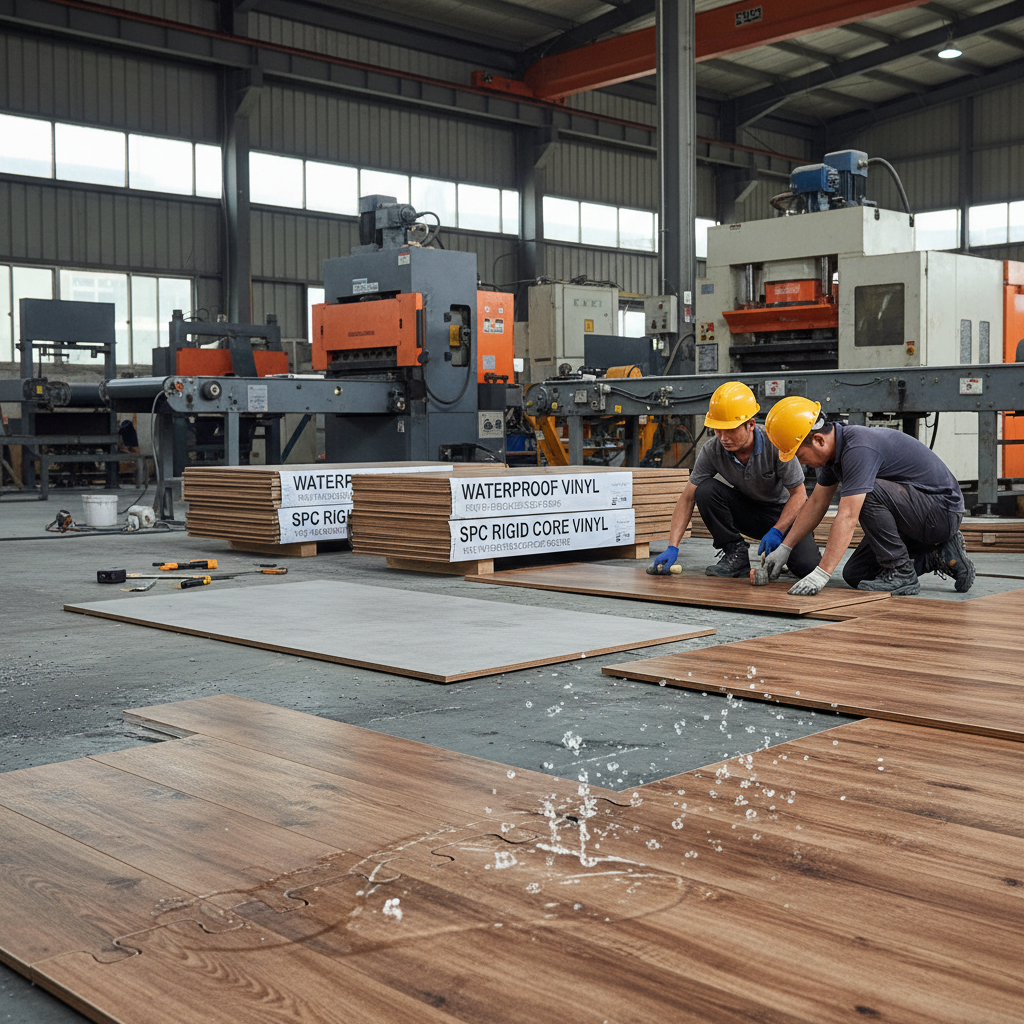 Ultimate Guide to Durable Waterproof SPC Rigid Core Vinyl FlooringChoosing the right flooring for a modern home or commercial space requires a balance between aesthetics and endurance. waterproof spc rigid core vinyl has emerged as a game-changer in the interior design world, offering the timeless look of hardwood with the unmatched resilience of stone polymer composite. Whether you are dealing with high-traffic hallways, moisture-prone bathrooms, or pet-friendly living rooms, this flooring solution provides a stable, waterproof, and scratch-resistant surface. In this comprehensive guide, we will explore why this innovative material is replacing traditional laminate and luxury vinyl planks in contemporary construction.Read More >
Apr 09 2026
-
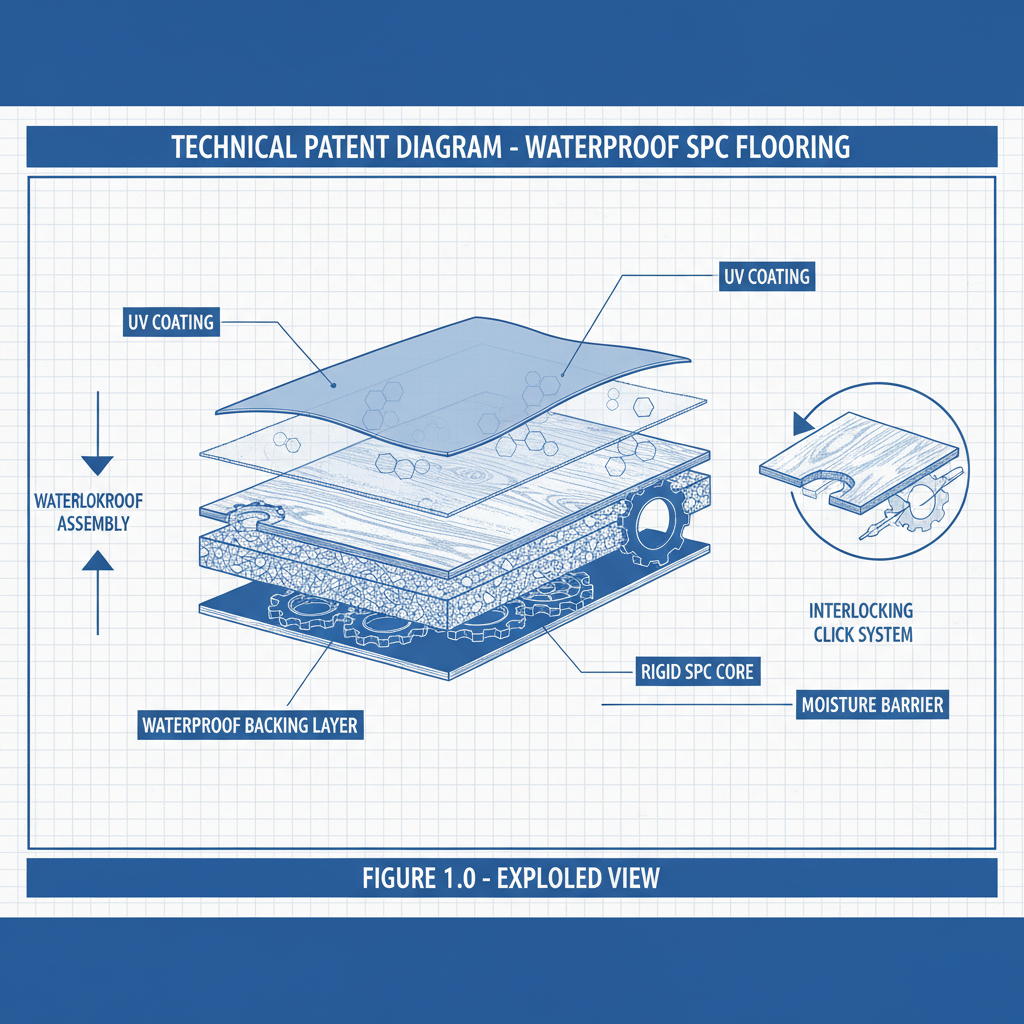 Comprehensive Guide to Waterproof SPC Flooring Durability and InstallationChoosing the right flooring for your home or business is a significant decision. Waterproof SPC flooring has emerged as a popular option due to its durability, affordability, and ease of installation. This article provides an in-depth look at waterproof SPC flooring, covering its benefits, installation process, maintenance, and comparisons with other flooring types. Understanding these aspects will help you determine if SPC flooring is the right choice for your project.Read More >
Apr 07 2026
-
 Discover the Durability and Style of Vinyl SPC Rigid Flooring SolutionsLooking for a durable, waterproof, and stylish flooring solution? Vinyl SPC rigid flooring is quickly becoming the go-to choice for homeowners and businesses alike. This article provides a comprehensive overview of this innovative flooring type, covering its benefits, installation, maintenance, and more. We’ll help you determine if SPC rigid vinyl flooring is the right fit for your project.Read More >
Apr 04 2026
-
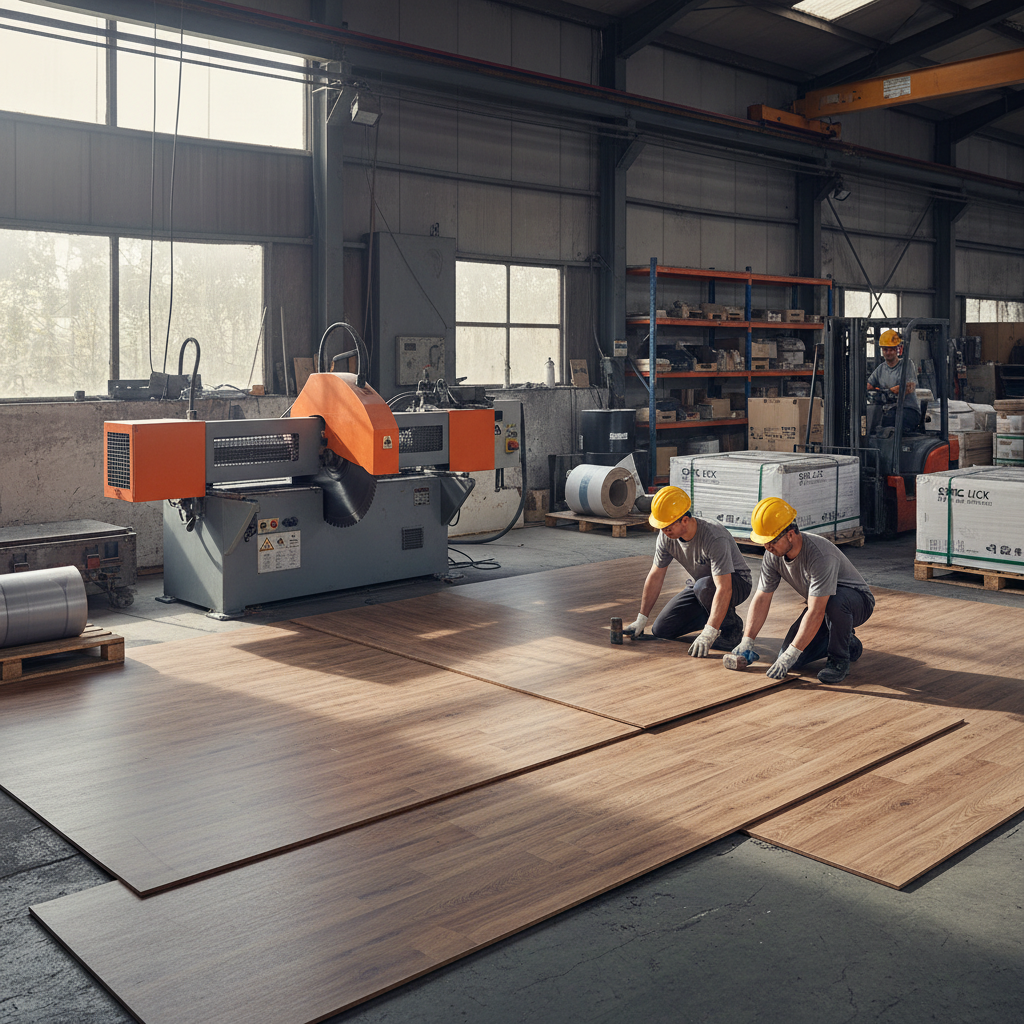 Comprehensive Guide to Durable Vinyl SPC Click Flooring Options and BenefitsChoosing the right flooring for your home or business is a significant decision. Vinyl SPC click flooring has emerged as a popular and durable option, offering a blend of aesthetic appeal and practical benefits. This article will explore the key features, advantages, installation process, and applications of SPC flooring, helping you determine if it's the right choice for your project. From its waterproof nature to its ease of installation, we'll cover everything you need to know.Read More >
Mar 31 2026
 +86 31185293045
  qian@ss711.com

Shijiazhuang Sothink trading Co., LTD.
Our company focuses on product development, production, sales and other all-round services, and is committed to providing customers with high-performance products and high-quality services.