


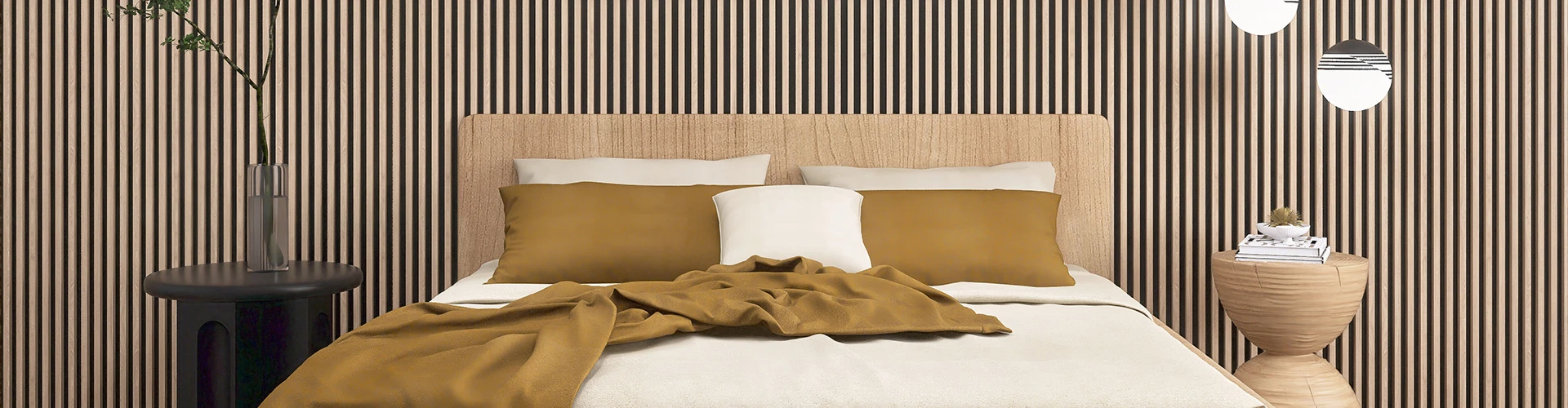
Stone Plastic Composite SPC Flooring: Durable, Sustainable, and Versatile Flooring Solutions
Stone Plastic Composite SPC Flooring: A Global Solution for Durable Surfaces
If you haven’t come across stone plastic composite SPC flooring before, well, you’re not alone. It’s an innovative flooring technology increasingly reshaping commercial and residential spaces worldwide. But why does it matter so much? In short, it offers unmatched durability, waterproofing, and eco-friendliness that align perfectly with today’s global demands for sustainable building materials.
SPC flooring is more than just another option in the flooring aisle—it’s a practical response to climate challenges, economic pressures, and the need for safer, longer-lasting floor solutions that also feel good underfoot. Getting a grip on what SPC flooring offers can unlock smarter choices for architects, builders, and homeowners everywhere.
Global Context: Why Stone Plastic Composite Flooring Matters Today
Globally, the construction industry accounts for about 40% of energy consumption and 30% of greenhouse gas emissions (source: ISO). Against this backdrop, the shift to low-impact, high-performance materials like SPC flooring is critical. As urbanization intensifies, especially in Asia-Pacific and parts of Europe, demand for flooring that can endure high foot traffic and moisture without frequent replacement is surging.
But beyond durability, there’s the sustainability angle. Many regions—think Scandinavia or Canada—are actively setting regulations that promote low-VOC (volatile organic compounds) and recyclable products in interiors. SPC flooring fits naturally into this trend. Oddly enough, even in disaster relief or remote construction sites, its quick installation and rugged nature are game changers.
What Exactly Is Stone Plastic Composite (SPC) Flooring?
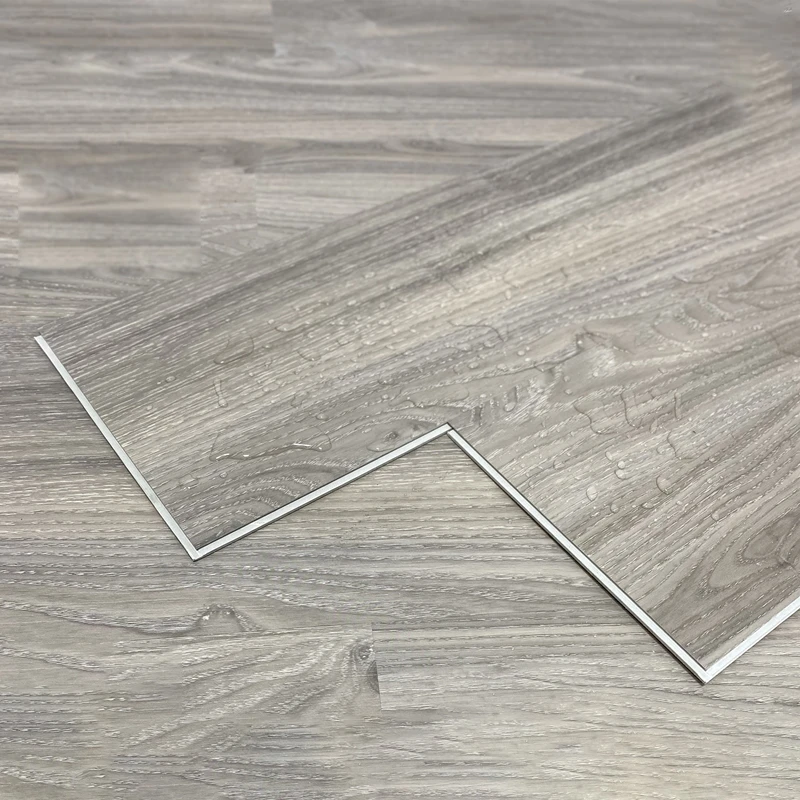
At its core, stone plastic composite flooring is a rigid core vinyl flooring made by blending limestone powder (the “stone”) with polyvinyl chloride (PVC) and stabilizers. This results in a core layer that’s denser and more stable than traditional luxury vinyl tiles (LVT). The top layer protects against scratches and stains, while the SPC core provides toughness and waterproofing.
Simply put, SPC flooring is like a tough little shield for your floors—resistant to dents, warping, and warping caused by humidity changes. It’s no surprise it’s popular in places where spills and wear are a given, like kitchens, hospitals, and commercial offices.
Key Components and Features of SPC Flooring
1. Durability
SPC flooring is incredibly dense, which means it can take a beating. It’s resistant to scratches, impacts, and stains. This makes it ideal for heavy-traffic areas or spaces where furniture might get moved often.
2. Waterproof Performance
The stone-plastic core composition means it won’t swell or warp when exposed to moisture, unlike traditional hardwood or laminate. It’s often used in bathrooms or basements without worry.
3. Installation Ease
Most SPC flooring uses a click-lock system, which can speed up installation and requires no glue or nails. This reduces labor time and costs on-site—something contractors love.
4. Acoustic and Thermal Comfort
While SPC flooring can feel a bit harder underfoot than other vinyls, many manufacturers layer it with a vinyl or cork backing to help soften noise and improve warmth.
5. Design Versatility
Thanks to advanced printing tech, SPC flooring comes in a broad array of styles—from natural wood grains to concrete looks—making it a designer's darling.
Typical SPC Flooring Specifications
| Specification | Typical Range |
|---|---|
| Core Thickness | 3.2 - 8 mm |
| Wear Layer Thickness | 0.3 - 0.7 mm |
| Plank Size | 6" x 36" to 9" x 60" |
| Water Resistance | 100%, waterproof |
| Fire Rating | Class B (ASTM E84) |
Global Applications & Use Cases of SPC Flooring
SPC flooring’s combination of ruggedness and style means it finds homes worldwide—from bustling office towers in Europe to hospitality projects across Asia. In flood-prone zones, its waterproof nature keeps buildings salvageable after water incidents. For instance, in Southeast Asia’s rapidly urbanizing cities, developers prefer SPC to avoid costly renovations from humidity damage.
A fascinating use case cropped up during recent humanitarian relief efforts: in post-disaster shelters, quick-to-install SPC flooring proved invaluable for creating hygienic, safe surfaces that resisted moisture in humid environments. Remote industrial zones also lean on SPC for flooring that withstands wear without expensive maintenance.
Vendor Comparison: Popular SPC Flooring Brands
| Brand | Core Thickness (mm) | Wear Layer (mm) | Waterproof | Price (per sq.ft) |
|---|---|---|---|---|
| Brand A | 4.5 | 0.55 | Yes | $3.50 |
| Brand B | 5.0 | 0.7 | Yes | $4.20 |
| Brand C | 3.8 | 0.3 | Yes | $2.90 |
Advantages and Long-Term Value of SPC Flooring
What stands out about SPC flooring—apart from its impressive specs—is how it addresses long-term concerns. For building owners, fewer maintenance costs and longer lifespans mean peace of mind. For occupants, the floor provides a cleaner, safer environment that can withstand mishaps.
Plus, from an environmental perspective, many SPC products are recyclable and contain recycled content themselves. The low emission of VOCs also means healthier indoor air quality, which is essential in schools and hospitals. On a more intangible level, it’s reassuring to walk on a floor that feels solid and steady rather than fragile or flimsy.
Future Trends & Innovations in SPC Flooring
The flooring industry is buzzing with innovation. For SPC, we’re seeing a push toward even greener production methods—using bio-based lime fillers or recycled plastics to reduce carbon footprints. Digital printing technologies are advancing too, meaning almost limitless design possibilities that mimic natural textures perfectly.
Automation promises faster, more precise manufacturing, lowering costs and improving quality consistency. Additionally, integration with smart building systems—like underfloor heating sensors or antimicrobial coatings—is becoming more common as sustainability and health concerns merge.
Challenges and Solutions in SPC Flooring Industry
Of course, SPC flooring isn’t without hiccups. Sometimes, it can feel colder or harder beneath the foot compared to wood or cork. Also, product quality varies widely—you need to pick brands that comply with recognized environmental and safety standards (ISO 9001, EU emission standards).
To overcome these challenges, manufacturers incorporate layered underlayment for comfort, and rely on stricter quality controls and certifications. Educating consumers about installation and maintenance can also extend product lifespan, avoiding premature replacements.
FAQ: Frequently Asked Questions About Stone Plastic Composite SPC Flooring
- Q: Is SPC flooring suitable for bathrooms and kitchens?
A: Absolutely. SPC’s waterproof core means it won’t swell or warp when exposed to moisture, making it perfect for wet areas. - Q: How long does SPC flooring typically last?
A: With proper installation and care, SPC flooring can last 15-20 years, depending on wear and environment. - Q: Can SPC flooring be installed over existing floors?
A: Yes, one of the advantages of SPC’s thin profile and click-lock system is that it can often float over previous floors, saving time and labor. - Q: Is SPC flooring eco-friendly?
A: Many SPC products contain recycled materials, have low VOC emissions, and are recyclable themselves, making them a greener choice than some alternatives. - Q: How do I choose a reliable vendor or brand?
A: Look for manufacturers who comply with ISO standards, have robust warranties, and provide transparent product information. Our vendor comparison table above can help as a starter.
Conclusion and Call to Action
Stone plastic composite SPC flooring is more than a flooring trend — it’s a carefully engineered solution tuned to the needs of modern construction, sustainability goals, and practical endurance. Whether you’re a homeowner seeking a low-maintenance upgrade or a developer with long-term durability in mind, SPC flooring offers a dependable, stylish, and eco-conscious choice.
If you want to explore quality SPC flooring options, I suggest you visit our website for trusted products and expert advice. It just might be the flooring solution you didn’t realize you needed.
Quick takeaways:
- SPC flooring blends stone and plastic for unbeatable durability and water resistance.
- It fits a growing global demand for sustainable, easy-to-install flooring.
- Ideal for commercial, residential, and even post-disaster applications.
- Ongoing innovations continue to enhance comfort, design, and green credentials.
References:
1. ISO Environmental Standards
2. Wikipedia: Stone-plastic Composite
3. World Bank Urbanization
-
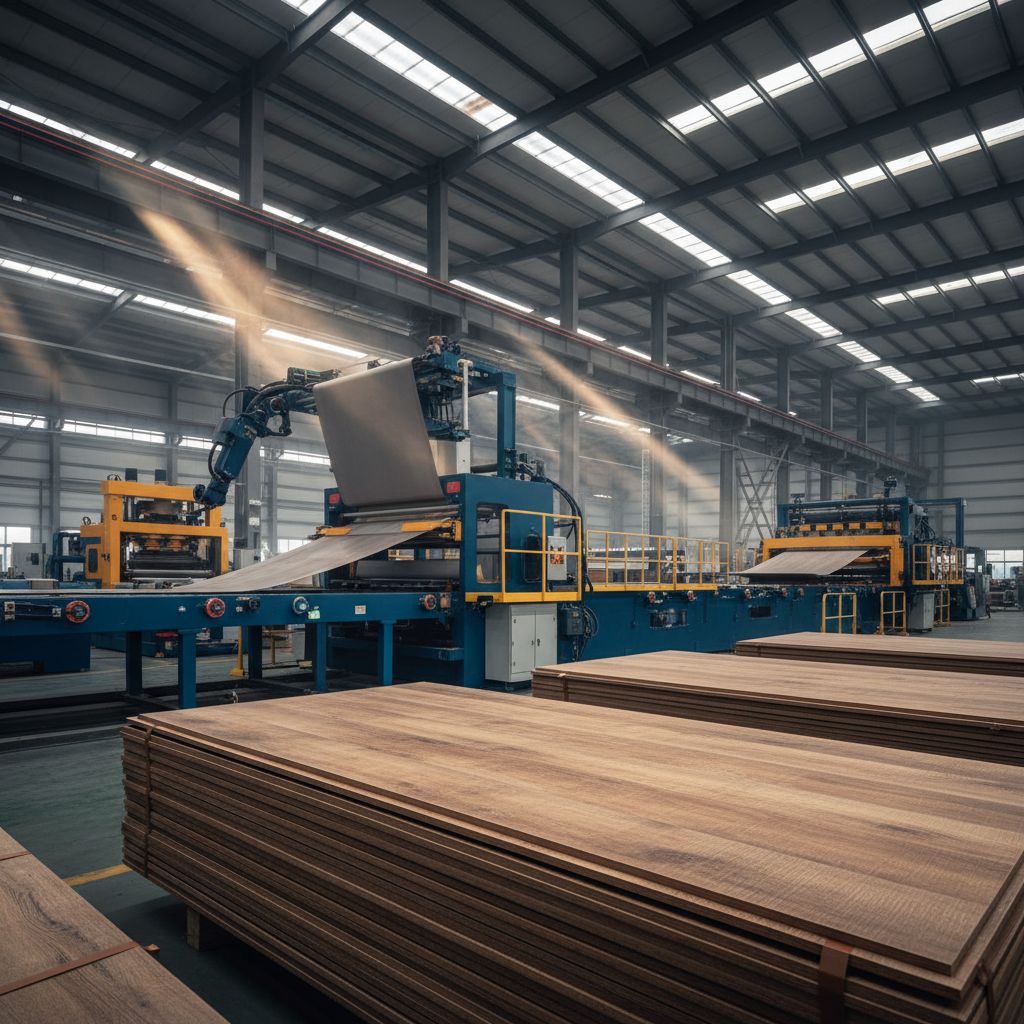 Ultimate Guide to Durable Waterproof SPC Vinyl Flooring StyleWhen renovating a modern home or commercial space, the flooring choice often defines the entire atmosphere. waterproof spc vinyl flooring has emerged as a revolutionary solution for those who refuse to compromise between aesthetic elegance and rugged performance. Standing for Stone Plastic Composite, SPC flooring is engineered to withstand the toughest environments, from moisture-prone bathrooms to high-traffic living rooms. In this comprehensive guide, we will explore why this material is dominating the interior design market and how it can transform your space into a sanctuary of style and resilience.Read More >
Apr 16 2026
-
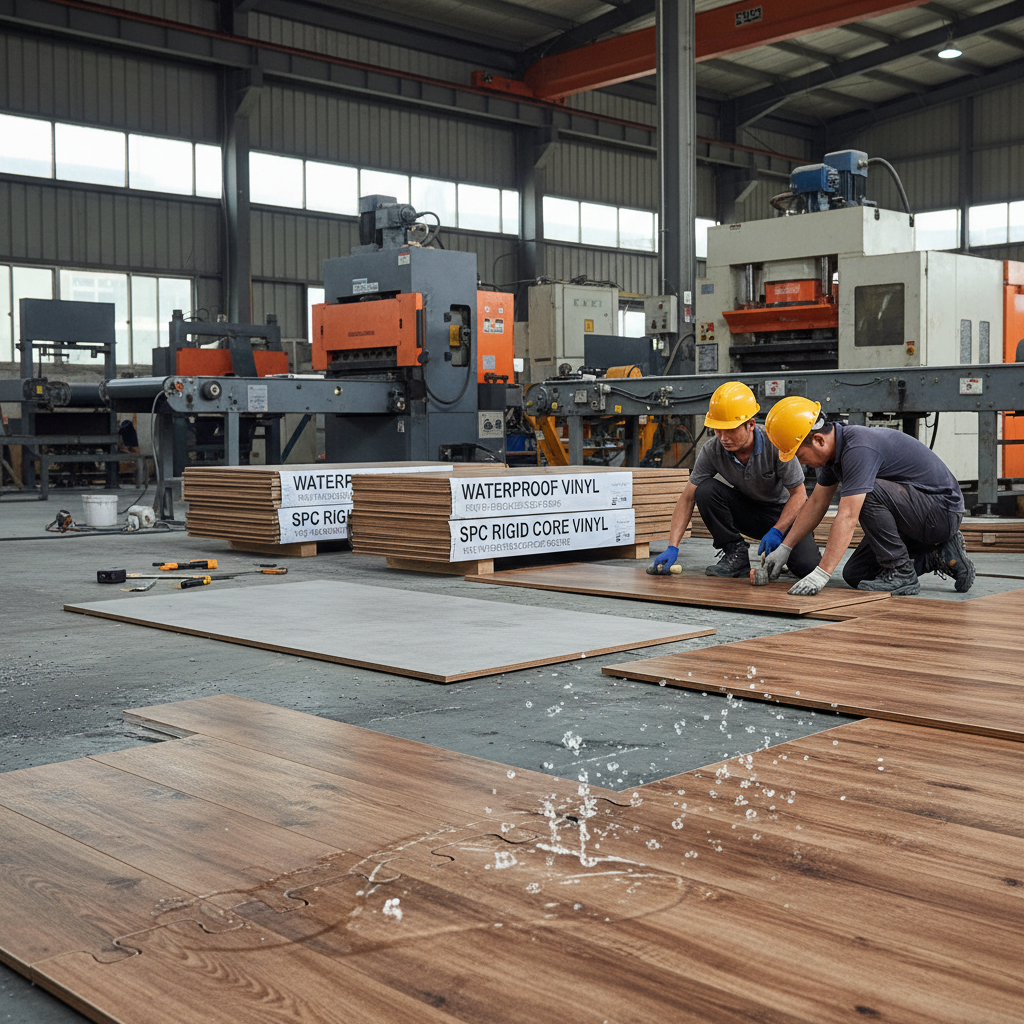 Ultimate Guide to Durable Waterproof SPC Rigid Core Vinyl FlooringChoosing the right flooring for a modern home or commercial space requires a balance between aesthetics and endurance. waterproof spc rigid core vinyl has emerged as a game-changer in the interior design world, offering the timeless look of hardwood with the unmatched resilience of stone polymer composite. Whether you are dealing with high-traffic hallways, moisture-prone bathrooms, or pet-friendly living rooms, this flooring solution provides a stable, waterproof, and scratch-resistant surface. In this comprehensive guide, we will explore why this innovative material is replacing traditional laminate and luxury vinyl planks in contemporary construction.Read More >
Apr 09 2026
-
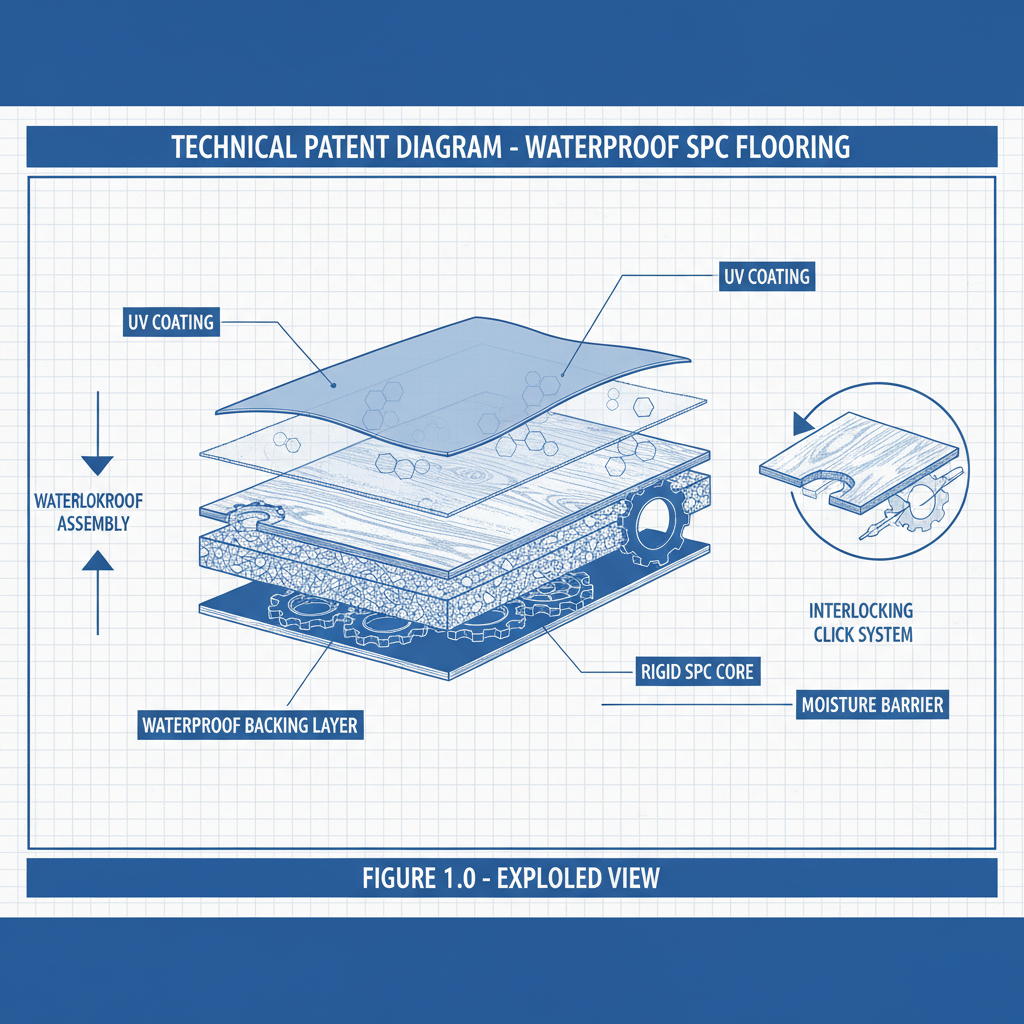 Comprehensive Guide to Waterproof SPC Flooring Durability and InstallationChoosing the right flooring for your home or business is a significant decision. Waterproof SPC flooring has emerged as a popular option due to its durability, affordability, and ease of installation. This article provides an in-depth look at waterproof SPC flooring, covering its benefits, installation process, maintenance, and comparisons with other flooring types. Understanding these aspects will help you determine if SPC flooring is the right choice for your project.Read More >
Apr 07 2026
-
 Discover the Durability and Style of Vinyl SPC Rigid Flooring SolutionsLooking for a durable, waterproof, and stylish flooring solution? Vinyl SPC rigid flooring is quickly becoming the go-to choice for homeowners and businesses alike. This article provides a comprehensive overview of this innovative flooring type, covering its benefits, installation, maintenance, and more. We’ll help you determine if SPC rigid vinyl flooring is the right fit for your project.Read More >
Apr 04 2026
-
 Comprehensive Guide to Durable Vinyl SPC Click Flooring Options and BenefitsChoosing the right flooring for your home or business is a significant decision. Vinyl SPC click flooring has emerged as a popular and durable option, offering a blend of aesthetic appeal and practical benefits. This article will explore the key features, advantages, installation process, and applications of SPC flooring, helping you determine if it's the right choice for your project. From its waterproof nature to its ease of installation, we'll cover everything you need to know.Read More >
Mar 31 2026
 +86 31185293045
  qian@ss711.com

Shijiazhuang Sothink trading Co., LTD.
Our company focuses on product development, production, sales and other all-round services, and is committed to providing customers with high-performance products and high-quality services.