



Stone Plastic Floor: Durable, Eco-Friendly Flooring for Modern Infrastructure
Understanding Stone Plastic Floor: A Durable, Sustainable Flooring Solution
At a glance, “stone plastic floor” might sound like an unusual pairing—stone and plastic. But this hybrid material has been quietly reshaping how industries and communities think about durable, eco-friendly flooring. Worldwide, the adoption of stone plastic composite flooring is expanding rapidly because it combines resilience with environmental benefits, making it a real game-changer, especially in high-traffic or outdoor settings.
Why does it matter globally? Well, from urban development projects to humanitarian relief efforts, resilient flooring that cuts maintenance costs and carbon footprint is a priority. Understanding stone plastic floors helps architects, planners, and builders create safer and longer-lasting environments while advancing sustainable goals.
Mini Takeaway: Stone plastic floor blends stone strength and plastic flexibility, offering durability and sustainability essential for modern infrastructure worldwide.
Global Context: Why Stone Plastic Flooring is Gaining Ground
Globally, the flooring materials market is growing steadily; reports from the ISO estimate a compound annual growth rate of over 5% in eco-friendly construction materials till 2030. Urban spaces, industrial zones, and even remote areas are demanding floors that resist weather, wear, and chemicals—all while minimizing environmental impact.
Oddly enough, traditional flooring like pure stone or vinyl can be costly or environmentally unfriendly. Stone plastic flooring questions these norms. Its durability tackles high foot traffic and harsh conditions, making it attractive in places prone to natural disasters or industrial wear. The World Bank notes that sustainable infrastructure investment is crucial for resilient cities, so materials like stone plastic floor fit perfectly in this agenda. The challenge? Widespread awareness and adoption across different regions remain limited.
What Is Stone Plastic Floor?
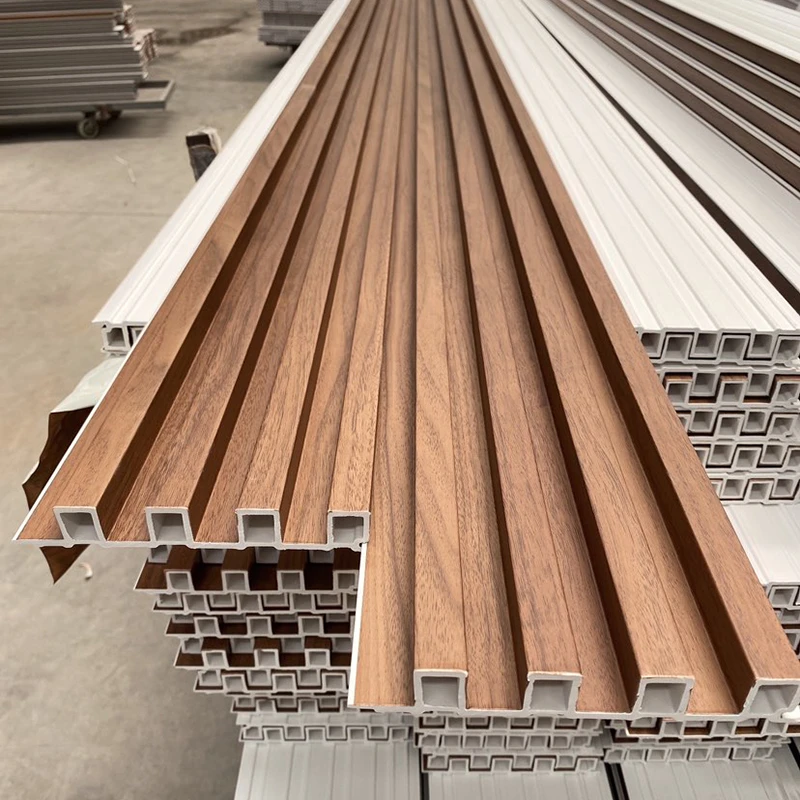
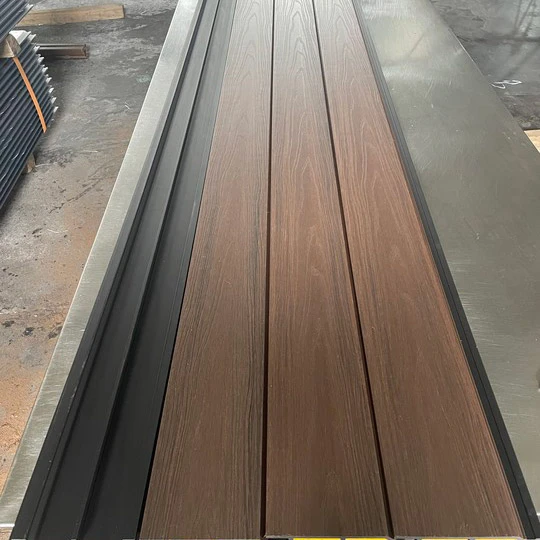
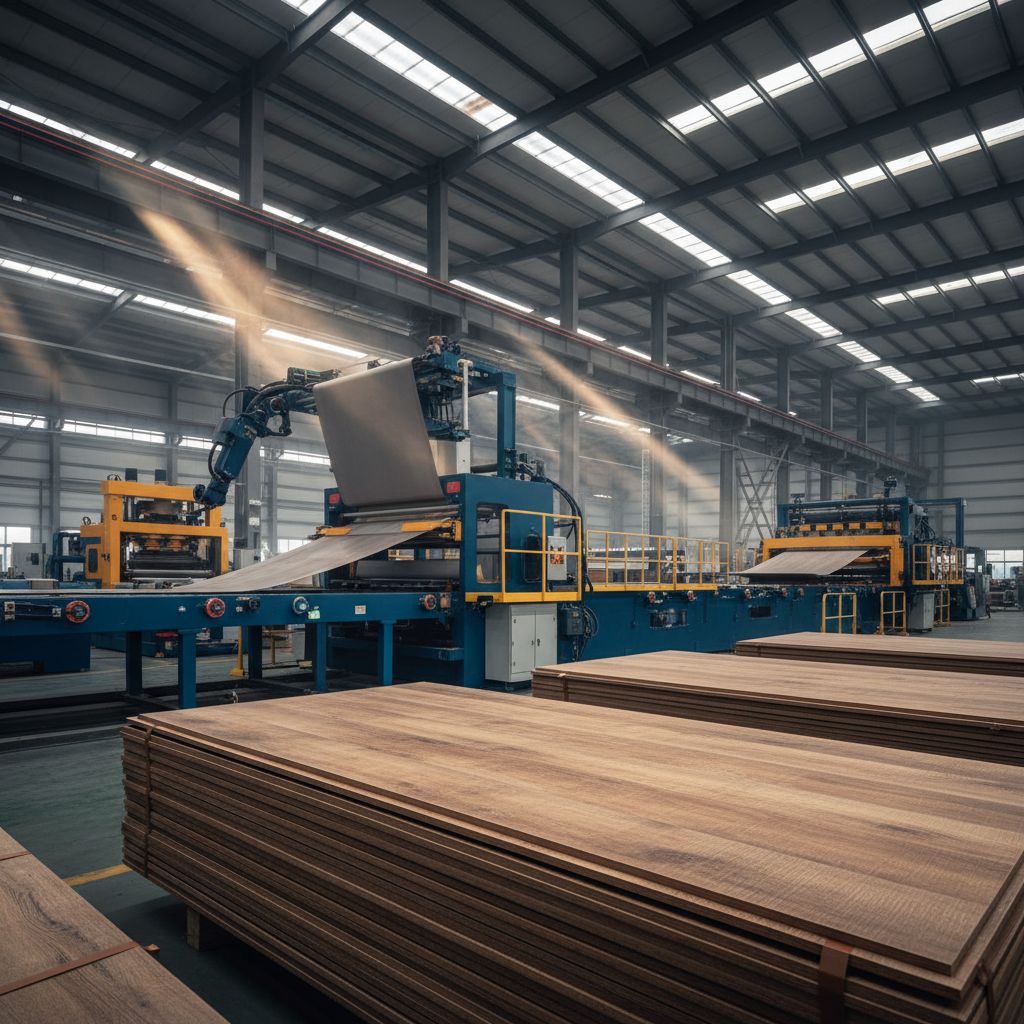
In plain terms, a stone plastic floor (SPF) is a composite flooring material made by combining finely crushed natural stone powders with thermoplastic resins. The mix is heated and pressed into tiles or sheets that showcase both stone’s hardness and plastic’s flexibility.
This marriage allows stone plastic floors to resist deformation, moisture, and chemical erosion better than conventional stone or plastic alone. It’s no wonder industries ranging from manufacturing plants to public walkways are increasingly using this flooring option. Humanitarian organizations are even leveraging it in rapid deployment shelters where quick floor installation with robustness matters.
Key Factors of Stone Plastic Flooring
Durability
Stone plastic floors sustain heavy foot and equipment traffic without cracking, chipping, or warping easily. Their abrasion resistance makes them ideal for industrial settings or outdoor use where surfaces face constant wear.
Water and Chemical Resistance
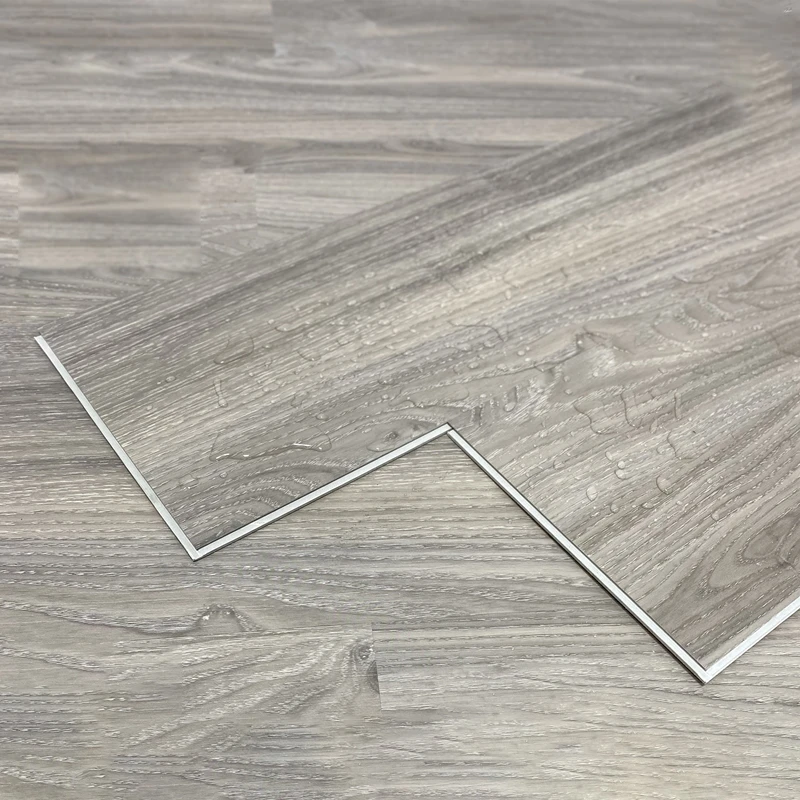
Unlike standard wood or stone floors, SPF doesn’t absorb water or degrade with common chemicals. This makes it suitable for wet environments, labs, or food processing plants.
Eco-Friendliness
Often, recycled plastics and quarry waste are used in production, reducing landfill loads and conserving natural resources. The product’s long service life also translates into fewer replacements—a double win for sustainability.
Cost Efficiency
Though upfront costs may be moderately higher than basic tiles, the low maintenance, longevity, and fewer repair expenses pay off substantially over time.
Easy Installation
Stone plastic floors can be produced as interlocking panels, tiles, or rolls, facilitating speedy installation—particularly helpful for large or urgent projects.
Mini Takeaway: Durability, resistance to moisture and chemicals, eco benefits, cost savings, and ease of use make stone plastic flooring a practical choice in demanding contexts.
Stone Plastic Floor Specifications
| Specification | Parameter | Typical Value |
|---|---|---|
| Material Composition | Stone powder / recycled plastic | 50% / 50% |
| Thickness | Varies | 3-10 mm |
| Abrasion Resistance (Taber test) | mg loss per 1000 cycles | |
| Water Absorption | Percentage weight gain | |
| Thermal Expansion | Coefficient (°C) | ~50 x 10-6 |
Global Applications & Use Cases
Stone plastic floors are finding homes in unexpected places. In industrial zones in Germany and Japan, SPF tiles line factory floors with their resistance to oils and mechanical wear. In flood-prone regions in Southeast Asia, lightweight, water-resistant stone plastic flooring helps communities maintain sanitary conditions after monsoons.
Even in humanitarian deployments, rapid installation of stone plastic flooring inside temporary shelters promotes safer, hygienic conditions. For example, NGOs operating in disaster-hit areas of Central America rely on these floors because they can be shipped easily, installed quickly, and withstand tropical climates.
Oddly enough, some eco-conscious architects in Europe and North America are now specifying SPF for urban landscaping—like in public parks and pedestrian walkways where durability meets aesthetics.
Mini Takeaway: Versatile enough for factories, flood zones, disaster relief, and urban spaces alike, stone plastic floor solves practical challenges internationally.
Vendor Comparison: Popular Stone Plastic Floor Suppliers
| Supplier | Material Source | Eco Certification | Product Range | Lead Time |
|---|---|---|---|---|
| EcoFloor Corp | Recycled HDPE + Granite Powder | ISO 14001 | Tiles, Sheets, Interlocking Panels | 4 weeks |
| StoneTech Solutions | Natural Stone Powder + Virgin PVC | LEED Certified | Rolls, Tiles | 3 weeks |
| GreenLayer Inc. | Recycled PP + Quartz Powder | FSC Chain of Custody | Interlocking Panels, Custom Shapes | 5 weeks |
Advantages & Long-Term Value of Stone Plastic Floors
Looking at the big picture, stone plastic flooring supports sustainable development goals (SDGs) by cutting material waste and lowering carbon emissions. The long-lasting nature means fewer replacements, which reduces landfill contributions. Plus, its resistance to moisture and chemicals ensures safer environments—in labs, public spaces, or disaster shelters—where slipping or contamination is a real concern.
There’s also a subtle emotional benefit: people using a space with durable, well-maintained flooring often feel safer and more confident. For industries, the reliability fosters trust among workers and clients alike. It's a kind of innovation that quietly builds community resilience and dignity over time.
Future Trends & Innovations in Stone Plastic Flooring
The future looks exciting. Research is underway into integrating nanomaterials and even bacterial-resistant compounds to enhance hygiene. Manufacturers are exploring fully bio-based polymers to phase out fossil fuel–based plastics. Additive manufacturing (3D printing) could customize stone plastic floor panels with patterns or embedded sensors monitoring foot traffic or wear.
Green energy integration during production—such as solar-powered extrusion lines—is also becoming common. These innovations not only increase product functionality but align the stone plastic floor industry with broader digital and sustainability transformations.
Challenges & How the Industry is Overcoming Them
One obstacle is the upfront cost. While stone plastic floor saves money in the long run, initial investment can deter budget-conscious projects. Some manufacturers address this by offering modular systems with flexible financing.
Another challenge is recycling at end-of-life—because the composite nature complicates separation. Here, innovations in chemical recycling and design-for-disassembly are promising solutions. Meanwhile, increasing awareness and education about SPF’s benefits help adoption cross borders and sectors.
FAQ: Frequently Asked Questions About Stone Plastic Floor
- Q: How does stone plastic flooring compare to natural stone in terms of maintenance?
A: Stone plastic floor typically requires less maintenance because it resists stains, moisture, and cracks better than natural stone, which often needs sealing and careful upkeep. - Q: Can stone plastic floors be installed outdoors?
A: Yes, many SPF products are designed specifically for outdoor durability, including resistance to UV radiation, temperature swings, and moisture. - Q: Is stone plastic flooring suitable for healthcare environments?
A: Absolutely. Its easy-to-clean surface and chemical resistance make it ideal for hospitals and labs, where hygiene is paramount. - Q: What about environmental impact—is stone plastic flooring recyclable?
A: Recycling composite materials is challenging, but many manufacturers use recycled plastics in production, and research on improved recycling is advancing. - Q: Can I order custom sizes or designs?
A: Most vendors provide customizable panels or tiles to suit specific project needs, including colors and textures.
Conclusion: Embracing the Stone Plastic Floor Advantage
Stone plastic floor represents more than just a material—it’s an evolution in how we build sustainable, resilient spaces. Its durability, eco-friendliness, and versatility mean it’s not only practical but emotionally reassuring for communities and businesses alike. Exploring options for your next project? Don’t hesitate to visit stone plastic floor specialists for guidance and product info.
In real terms, using stone plastic floors today could be a foundational step towards a greener, safer built environment tomorrow.
Mini Takeaway: Durable, sustainable, and customizable, stone plastic flooring is a smart investment for modern spaces that demand both performance and conscience.
References:
1. International Organization for Standardization (ISO), www.iso.org
2. World Bank Infrastructure Report, 2023
3. Wikipedia contributors, "Composite material," en.wikipedia.org
-
 Ultimate Guide to Durable Waterproof SPC Vinyl Flooring StyleWhen renovating a modern home or commercial space, the flooring choice often defines the entire atmosphere. waterproof spc vinyl flooring has emerged as a revolutionary solution for those who refuse to compromise between aesthetic elegance and rugged performance. Standing for Stone Plastic Composite, SPC flooring is engineered to withstand the toughest environments, from moisture-prone bathrooms to high-traffic living rooms. In this comprehensive guide, we will explore why this material is dominating the interior design market and how it can transform your space into a sanctuary of style and resilience.Read More >
Apr 16 2026
-
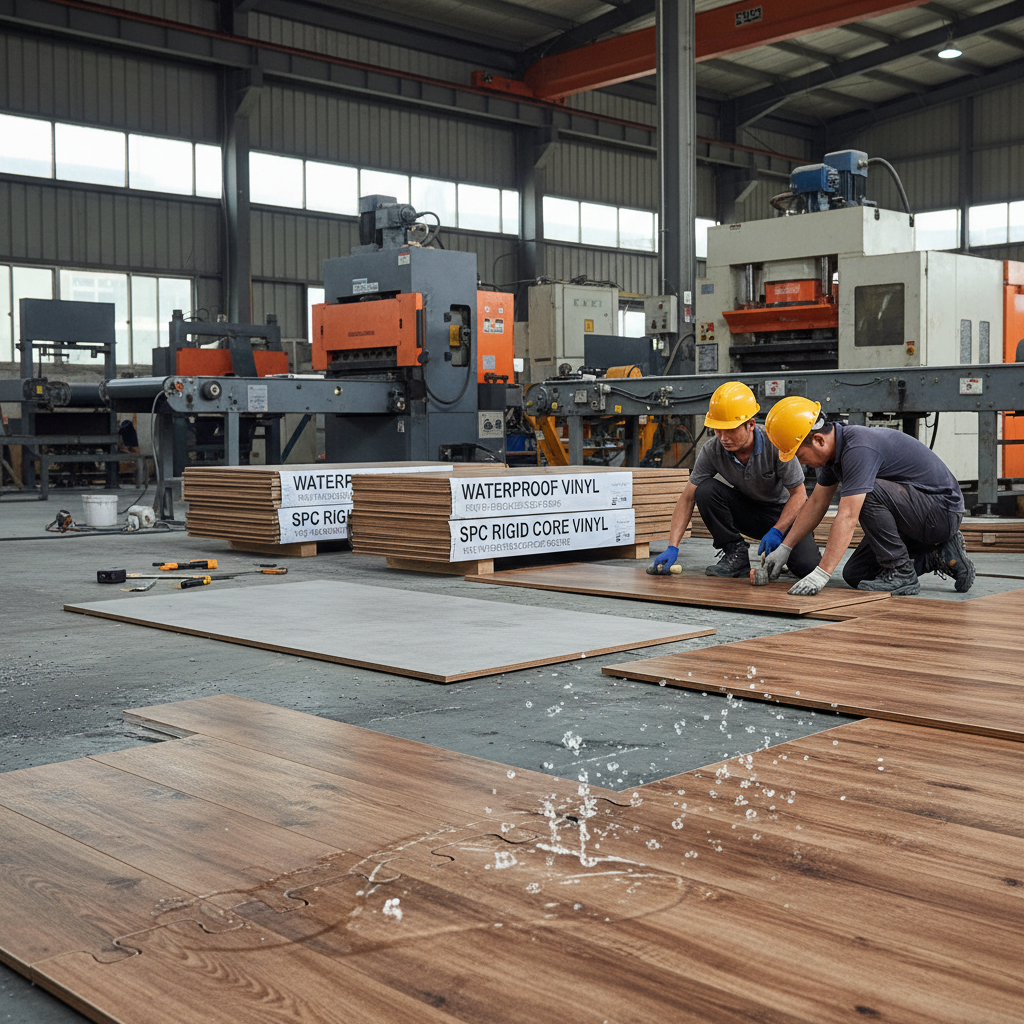 Ultimate Guide to Durable Waterproof SPC Rigid Core Vinyl FlooringChoosing the right flooring for a modern home or commercial space requires a balance between aesthetics and endurance. waterproof spc rigid core vinyl has emerged as a game-changer in the interior design world, offering the timeless look of hardwood with the unmatched resilience of stone polymer composite. Whether you are dealing with high-traffic hallways, moisture-prone bathrooms, or pet-friendly living rooms, this flooring solution provides a stable, waterproof, and scratch-resistant surface. In this comprehensive guide, we will explore why this innovative material is replacing traditional laminate and luxury vinyl planks in contemporary construction.Read More >
Apr 09 2026
-
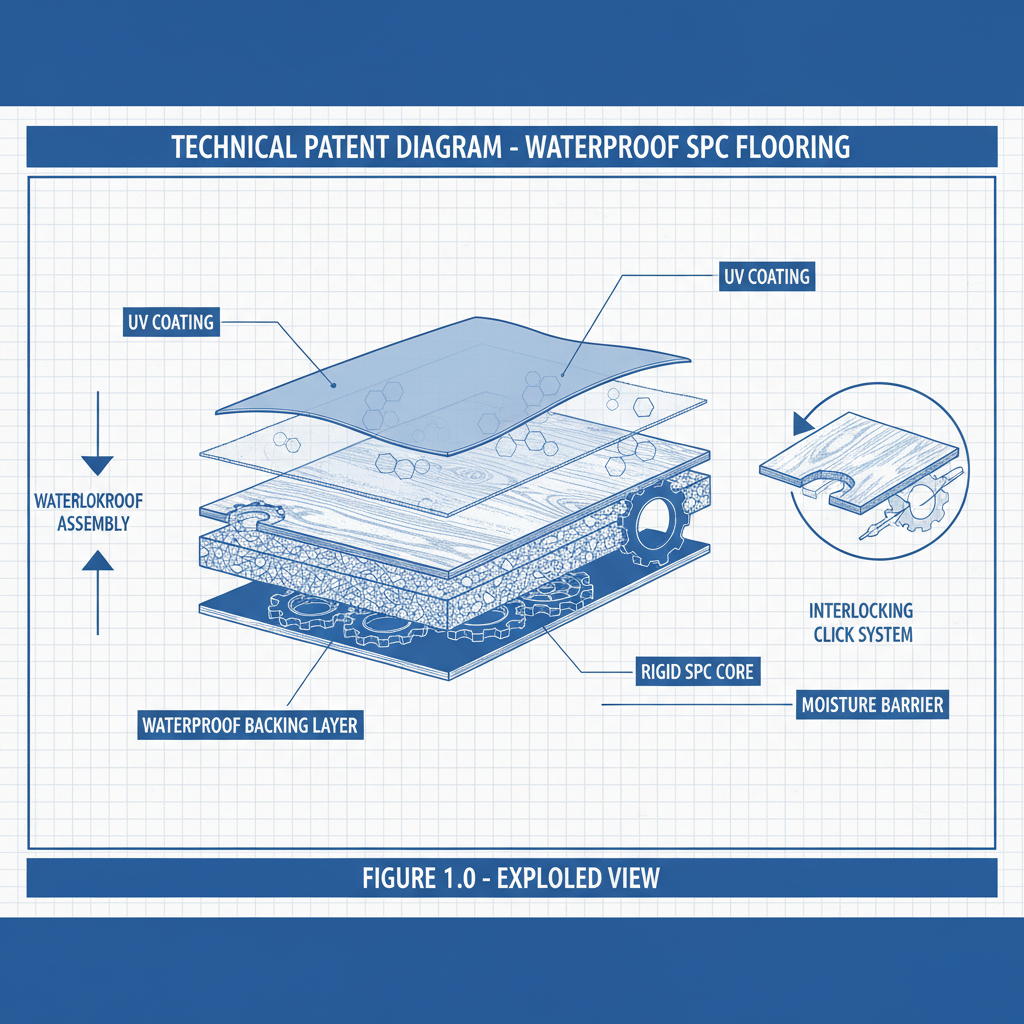 Comprehensive Guide to Waterproof SPC Flooring Durability and InstallationChoosing the right flooring for your home or business is a significant decision. Waterproof SPC flooring has emerged as a popular option due to its durability, affordability, and ease of installation. This article provides an in-depth look at waterproof SPC flooring, covering its benefits, installation process, maintenance, and comparisons with other flooring types. Understanding these aspects will help you determine if SPC flooring is the right choice for your project.Read More >
Apr 07 2026
-
 Discover the Durability and Style of Vinyl SPC Rigid Flooring SolutionsLooking for a durable, waterproof, and stylish flooring solution? Vinyl SPC rigid flooring is quickly becoming the go-to choice for homeowners and businesses alike. This article provides a comprehensive overview of this innovative flooring type, covering its benefits, installation, maintenance, and more. We’ll help you determine if SPC rigid vinyl flooring is the right fit for your project.Read More >
Apr 04 2026
-
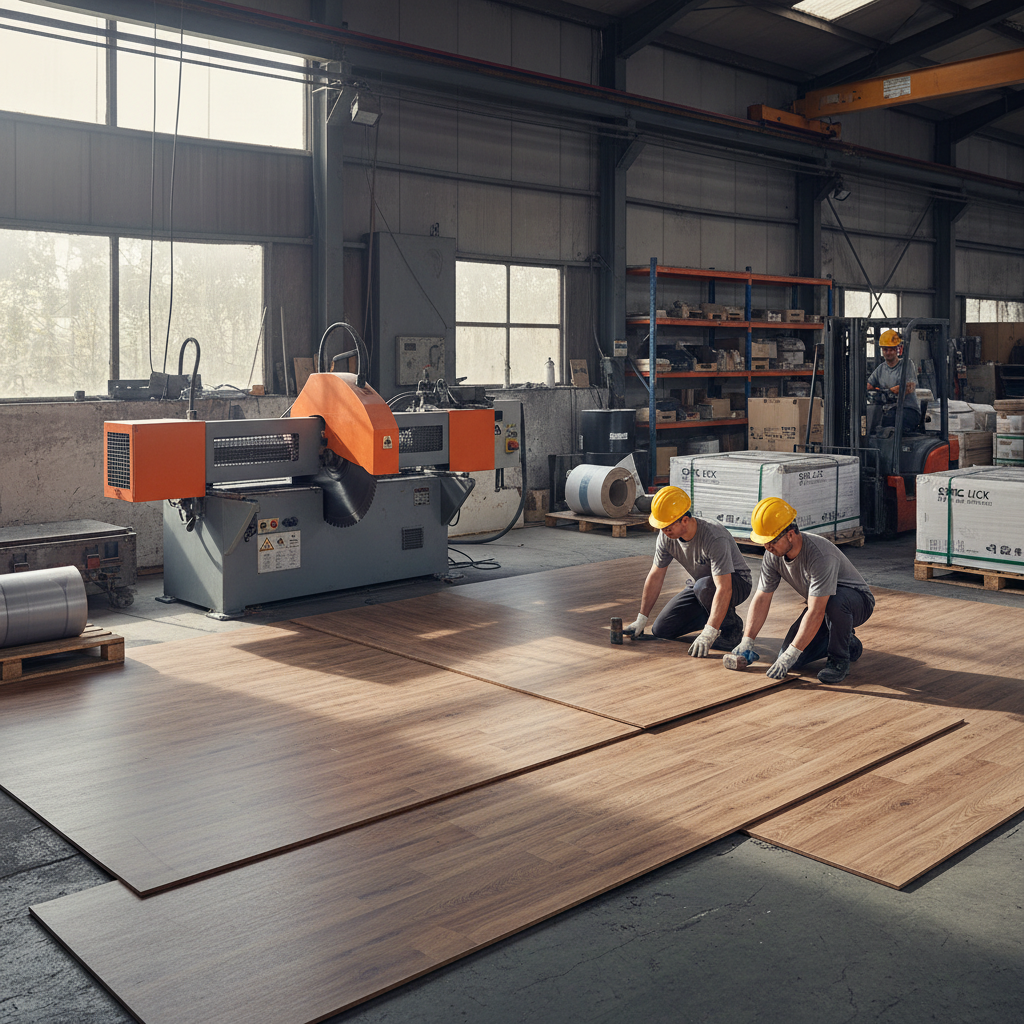 Comprehensive Guide to Durable Vinyl SPC Click Flooring Options and BenefitsChoosing the right flooring for your home or business is a significant decision. Vinyl SPC click flooring has emerged as a popular and durable option, offering a blend of aesthetic appeal and practical benefits. This article will explore the key features, advantages, installation process, and applications of SPC flooring, helping you determine if it's the right choice for your project. From its waterproof nature to its ease of installation, we'll cover everything you need to know.Read More >
Mar 31 2026
 +86 31185293045
  qian@ss711.com

Shijiazhuang Sothink trading Co., LTD.
Our company focuses on product development, production, sales and other all-round services, and is committed to providing customers with high-performance products and high-quality services.