



Stone Plastic Flooring: Durable, Sustainable, and Cost-Effective Solutions for Modern Buildings
Stone Plastic Flooring: Durable Solutions for Modern Spaces
If you’ve ever wondered how certain flooring options manage to combine resilience with aesthetic flexibility, then stone plastic flooring might be what you’re looking for. This type of flooring, blending natural stone powders with plastic polymers, offers a surprisingly strong, sustainable alternative to traditional materials — and frankly, it’s gaining traction worldwide for good reasons. Understanding its benefits doesn’t just matter for architects or contractors; it’s increasingly relevant to anyone interested in sustainable building or industrial design.
Global Context: Why Stone Plastic Flooring Matters in Today's World
The construction industry accounts for about 38% of global carbon emissions, according to the United Nations Environment Programme (UNEP). With urbanization accelerating and renovations booming, there’s pressure to find smarter, eco-friendly materials without sacrificing durability or cost efficiency. Enter stone plastic flooring — a solution that addresses many of these concerns. It bridges the gap between natural materials and engineered plastics, reducing both resource extraction and installation time.
Oddly enough, while some flooring types falter in extreme climates, stone plastic variants thrive, offering high resistance to weather, wear, and chemicals. Used extensively in Asia and Europe, the trend has gained momentum in North America as well, with smart infrastructure projects adopting it for sustainability goals.
Mini Takeaway: Stone plastic flooring is not just another flooring option; it’s part of a shift towards sustainable construction that matches both environmental and practical needs.
What Is Stone Plastic Flooring?
At its core, stone plastic flooring is a composite material predominantly composed of natural stone powder (like calcium carbonate) and plastic polymers such as polyethylene or PVC. The mixture is processed to form sheets or tiles that can mimic natural stone’s appearance while housing the flexibility and shock-absorption qualities of plastic.
This combination makes it particularly attractive for industrial, commercial, and residential applications where durability and comfort are key. It’s also connected to modern humanitarian and infrastructure projects, where rapid deployment, ease of maintenance, and hygiene are critical.
Key Features of Stone Plastic Flooring
Durability
Arguably the most critical factor, this flooring handles heavy foot traffic, resist scratches, stains, and chemical spills — qualities that come from the plastic matrix binding particle agglomerates tightly together. In real terms, this means fewer repairs and longer lifespans.
Water and Moisture Resistance
Since the plastic polymers repel water, this flooring doesn’t swell or warp like wood, ideal for bathrooms, kitchens, or even outdoor patios. It also inhibits mold growth, contributing to healthier indoor environments.
Cost Efficiency
Compared to full stone or tile installations, stone plastic flooring generally costs less — both in materials and labor. Its lightweight nature simplifies transport and installation, reducing upfront expenses.
Eco-friendliness
Incorporating recycled plastics and industrial stone waste can lower the environmental footprint. Some manufacturers even use biodegradable polymers for more sustainable lifecycle management.
Customizability
Colors, textures, and thicknesses can be tailored depending on client demands, making it versatile enough for modern design while maintaining structural integrity.
Product Specifications at a Glance
| Specification | Typical Value | Notes |
|---|---|---|
| Material composition | 60-80% Stone powder + 20-40% Polymer | Varies by manufacturer |
| Thickness | 3 to 10 mm | Custom sizes available |
| Water Absorption | < 0.1% | Highly water resistant |
| Service Life | 15-25 years | Depending on usage conditions |
| Installation Method | Click-lock, adhesive, or loose lay | Varies with product line |
Who Uses Stone Plastic Flooring and Where?
Across the globe, industries ranging from healthcare to manufacturing and hospitality lean on this flooring type — with good reason. Hospitals appreciate its hygiene and easy cleaning, while factories benefit from the chemical and impact resistance.
In post-disaster relief efforts, flooring that’s quick to transport and install yet durable enough for temporary shelters is a lifesaver. Reflecting this, aid organizations procure stone plastic flooring for refugee camps in locations like the Middle East and East Africa.
Urban developments in Europe often specify stone plastic composites for both commercial and residential settings, leveraging their sustainability claims. Meanwhile, emerging markets use these floors to upgrade schools and community centers without hefty costs.
Mini Takeaway: The global footprint of stone plastic flooring is growing steadily, driven by its adaptable benefits across sectors.
Advantages and Lasting Benefits
- Cost Savings: Lower initial prices plus fewer repairs save money over the long haul.
- Environmental Impact: Uses recycled materials and reduces quarrying.
- Safety and Comfort: Shock absorption reduces fatigue and injury risk.
- Design Flexibility: Easily customized textures and colors suit various aesthetics.
- Trustworthiness: Proven performance in harsh environments builds confidence among users.
You can almost feel how this flooring brings not just function but dignity and innovation into spaces — key for modern living.
Future Trends & Innovations
Looking ahead, manufacturers are investing heavily in bio-based polymers, aiming to replace fossil-derived plastics entirely. Coupled with digital printing techniques, we’ll likely see stone plastic floors tailored to individual tastes with minimal waste.
Automation of installation and IoT-enabled flooring for smart buildings are also on the radar — yes, floors that monitor usage or environmental conditions. Additionally, evolving green building certifications are starting to favor composites like this, which blend sustainability with performance.
Common Challenges & Practical Solutions
A frequent concern? Sometimes the plastic component can soften slightly under intense heat, making placement near high-temperature sources tricky. However, emerging heat-stabilized composites are addressing this.
Another challenge is misconceptions on recyclability—since it’s a composite, full recycling can be complex. To offset that, closed-loop programs and reuse approaches are becoming standard in leading manufacturers.
Comparing Top Stone Plastic Flooring Vendors
| Vendor | Material Quality | Sustainability Initiatives | Installation Ease | Price Range (per sqft) |
|---|---|---|---|---|
| EcoStone Corp. | High-grade recycled polymers | 100% recyclable floor lines | Click-lock system | $3.50-$5.00 |
| StoneFlex Industries | Calcium carbonate premium grade | Biopolymer additives integrated | Adhesive and loose lay options | $4.00-$6.00 |
| PolyStone Solutions | Blended stone-plastic composites | Closed-loop recycling program | Easy adhesive installation | $3.00-$4.50 |
FAQ: Frequently Asked Questions About Stone Plastic Flooring
Q1: How long does stone plastic flooring usually last?
Typically, stone plastic flooring lasts between 15 and 25 years, depending on installation quality and environmental conditions. It resists common wear and chemical damage better than many traditional materials, making it a reliable choice for both residential and industrial settings.
Q2: Is stone plastic flooring easy to install compared to tile or wood?
Yes! One of the advantages is its lightweight and versatile installation methods, such as click-lock, adhesive, or loose lay. These options reduce labor time and disruption, unlike heavier stone tiles or hardwood that may require specialized tools.
Q3: Can stone plastic flooring be recycled?
Recycling is possible but requires specialized facilities due to its composite nature. Many manufacturers offer take-back or closed-loop recycling programs to promote sustainability, and advancements continue improving recyclability.
Q4: What are the best use cases for stone plastic flooring?
Healthcare facilities, schools, commercial kitchens, and industrial warehouses benefit from stone plastic flooring’s durability, moisture resistance, and hygiene properties. It’s also excellent for outdoor patios or public spaces where weather resistance is essential.
Q5: How environmentally friendly is stone plastic flooring?
Quite good, especially when using recycled plastics and stone powders. Its lower resource extraction and longer lifespan help reduce overall environmental impact compared to some alternatives. Certification from green building councils often supports its use.
Conclusion
To sum it up, stone plastic flooring offers a compelling blend of durability, sustainability, cost-efficiency, and design flexibility. It stands out as a smart choice in a world increasingly demanding materials that balance ecological responsibility with practical performance. Whether you're a builder, designer, or decision-maker in industry or relief work, it’s worth considering.
Interested in exploring options? Visit our website for more about stone plastic flooring and discover how this innovative material can meet your needs.
Reflection: The journey of stone plastic flooring is just beginning, fueled by advances in materials science and rising sustainability demands. It’s exciting to watch it grow from a niche product to a mainstream solution.
References:
1. United Nations Environment Programme (UNEP), Global Status Report on Buildings and Construction 2021.
2. ISO Standard 14021 on Environmental Labels and Declarations.
3. Wikipedia contributors, “Composite material,” Wikipedia, The Free Encyclopedia, 2024.
-
 Ultimate Guide to Durable Waterproof SPC Vinyl Flooring StyleWhen renovating a modern home or commercial space, the flooring choice often defines the entire atmosphere. waterproof spc vinyl flooring has emerged as a revolutionary solution for those who refuse to compromise between aesthetic elegance and rugged performance. Standing for Stone Plastic Composite, SPC flooring is engineered to withstand the toughest environments, from moisture-prone bathrooms to high-traffic living rooms. In this comprehensive guide, we will explore why this material is dominating the interior design market and how it can transform your space into a sanctuary of style and resilience.Read More >
Apr 16 2026
-
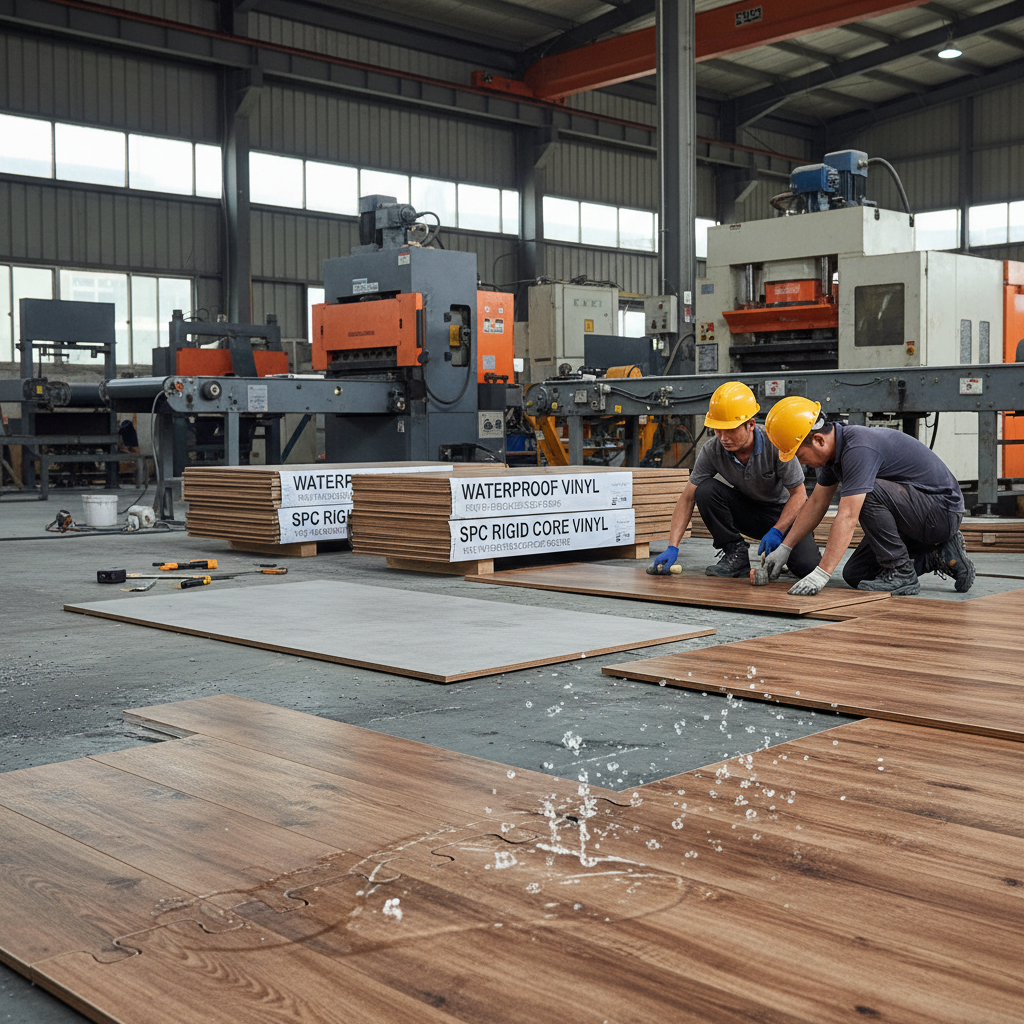 Ultimate Guide to Durable Waterproof SPC Rigid Core Vinyl FlooringChoosing the right flooring for a modern home or commercial space requires a balance between aesthetics and endurance. waterproof spc rigid core vinyl has emerged as a game-changer in the interior design world, offering the timeless look of hardwood with the unmatched resilience of stone polymer composite. Whether you are dealing with high-traffic hallways, moisture-prone bathrooms, or pet-friendly living rooms, this flooring solution provides a stable, waterproof, and scratch-resistant surface. In this comprehensive guide, we will explore why this innovative material is replacing traditional laminate and luxury vinyl planks in contemporary construction.Read More >
Apr 09 2026
-
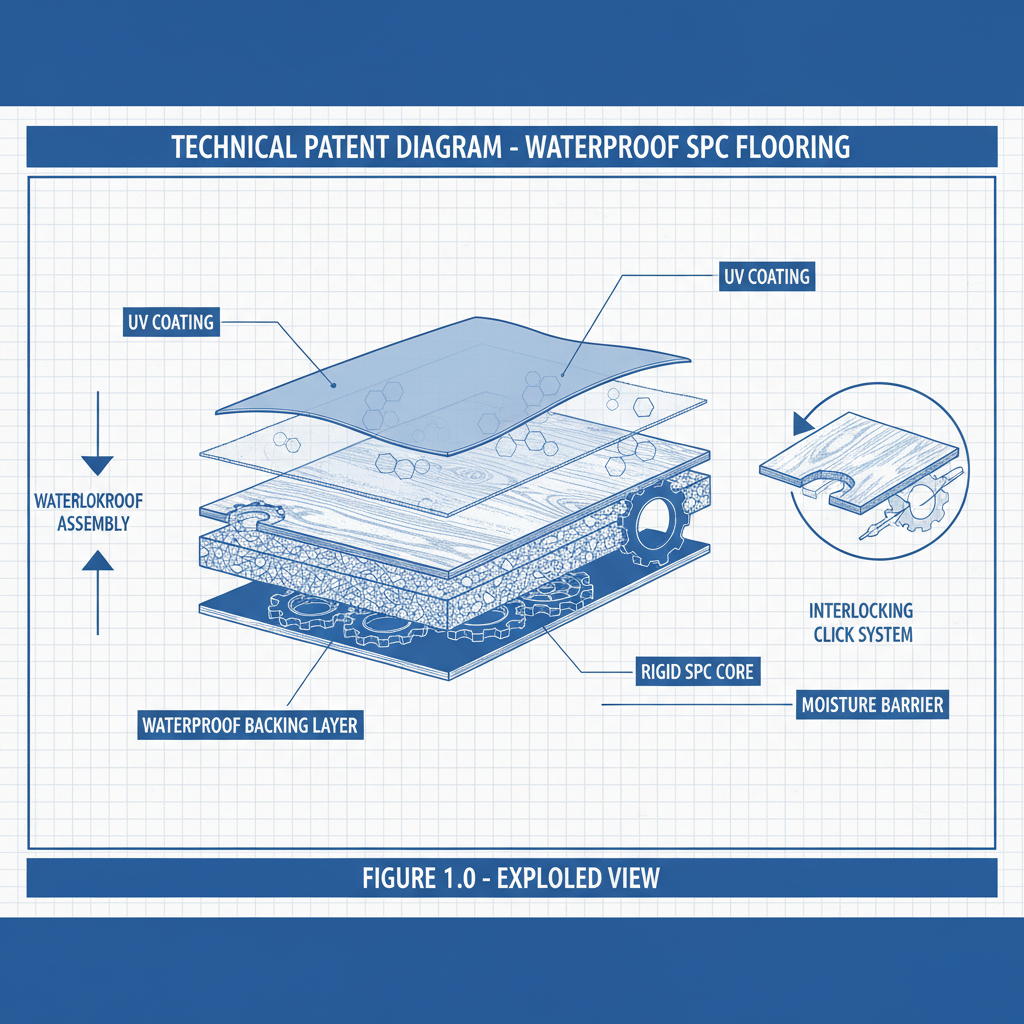 Comprehensive Guide to Waterproof SPC Flooring Durability and InstallationChoosing the right flooring for your home or business is a significant decision. Waterproof SPC flooring has emerged as a popular option due to its durability, affordability, and ease of installation. This article provides an in-depth look at waterproof SPC flooring, covering its benefits, installation process, maintenance, and comparisons with other flooring types. Understanding these aspects will help you determine if SPC flooring is the right choice for your project.Read More >
Apr 07 2026
-
 Discover the Durability and Style of Vinyl SPC Rigid Flooring SolutionsLooking for a durable, waterproof, and stylish flooring solution? Vinyl SPC rigid flooring is quickly becoming the go-to choice for homeowners and businesses alike. This article provides a comprehensive overview of this innovative flooring type, covering its benefits, installation, maintenance, and more. We’ll help you determine if SPC rigid vinyl flooring is the right fit for your project.Read More >
Apr 04 2026
-
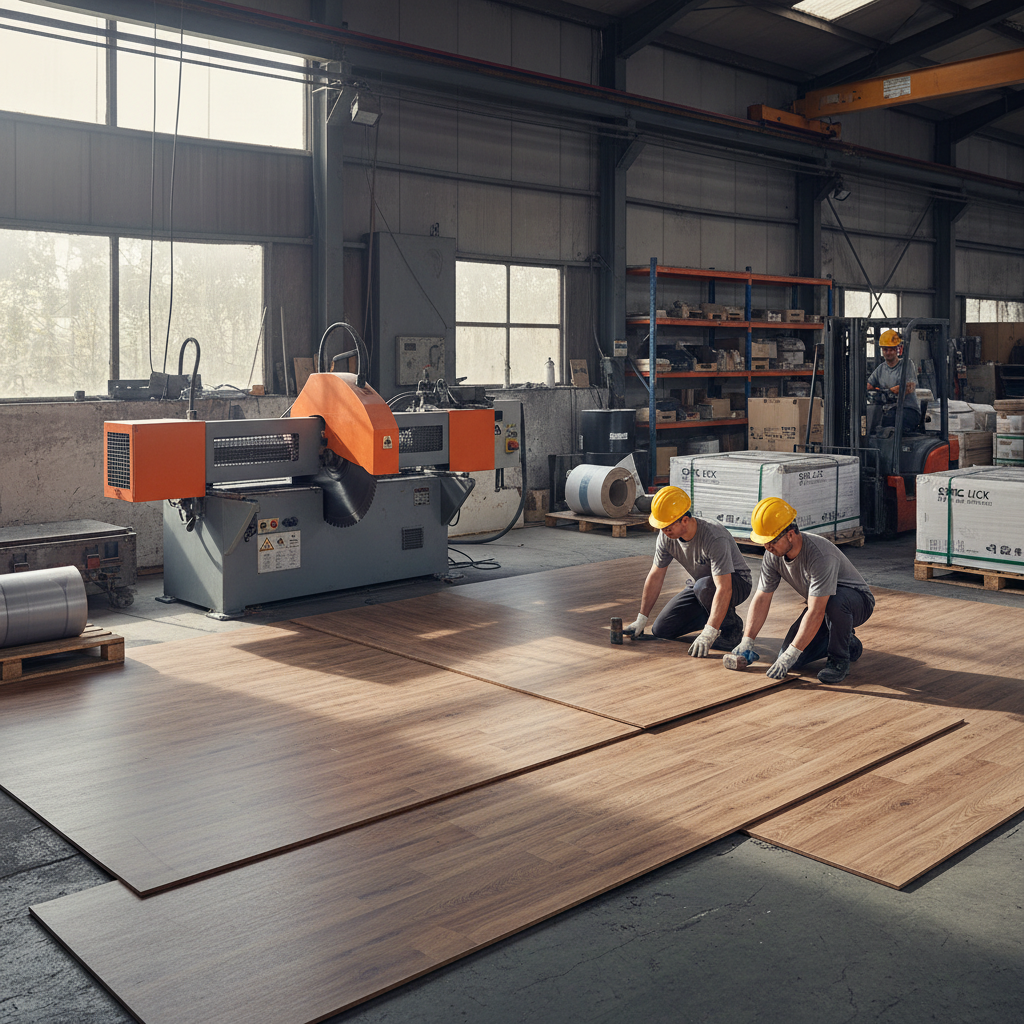 Comprehensive Guide to Durable Vinyl SPC Click Flooring Options and BenefitsChoosing the right flooring for your home or business is a significant decision. Vinyl SPC click flooring has emerged as a popular and durable option, offering a blend of aesthetic appeal and practical benefits. This article will explore the key features, advantages, installation process, and applications of SPC flooring, helping you determine if it's the right choice for your project. From its waterproof nature to its ease of installation, we'll cover everything you need to know.Read More >
Mar 31 2026
 +86 31185293045
  qian@ss711.com

Shijiazhuang Sothink trading Co., LTD.
Our company focuses on product development, production, sales and other all-round services, and is committed to providing customers with high-performance products and high-quality services.