


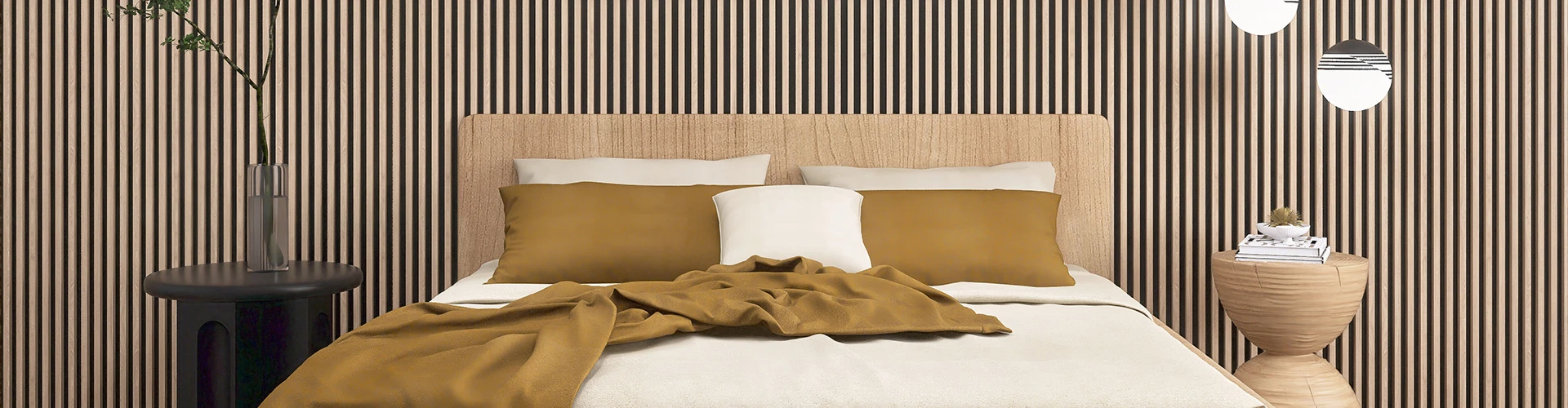
Wholesale SPC Flooring: Durable, Waterproof, Bulk Deals
Understanding SPC Flooring: The Core of Modern Flooring Solutions
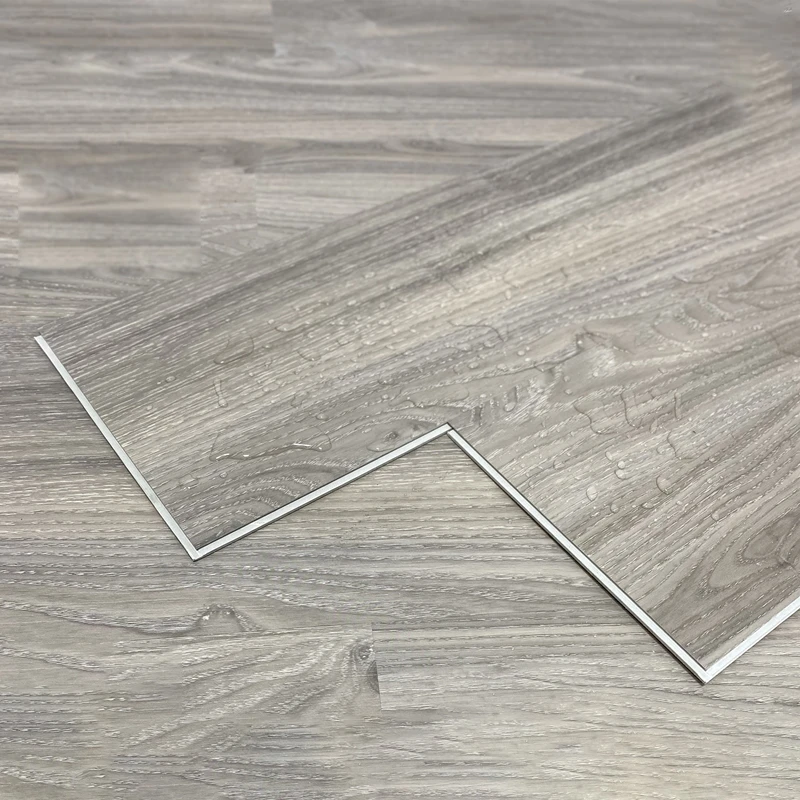
In the rapidly evolving world of building materials, spc flooring wholesale has emerged as a revolutionary product, transforming both residential and commercial interior spaces. SPC, or Stone Plastic Composite, flooring represents the pinnacle of rigid core technology, offering unparalleled durability, water resistance, and aesthetic versatility. Its unique composition, primarily a blend of limestone powder and polyvinyl chloride (PVC) stabilizers, grants it exceptional stability and rigidity, making it an ideal choice for high-traffic environments and areas prone to moisture. This innovative construction addresses many of the limitations associated with traditional flooring options like laminate or engineered wood, particularly concerning moisture damage and dimensional instability. For businesses and large-scale projects seeking a reliable and cost-effective flooring solution, understanding the nuances of wholesale spc flooring is crucial.
The demand for spc flooring for sale has surged globally, driven by its robust performance characteristics and relatively easy installation. Unlike traditional vinyl flooring, SPC does not expand or contract significantly with temperature fluctuations, which means it can be installed over existing hard surfaces without extensive subfloor preparation in many cases. This stability is a key differentiator, reducing installation time and costs for large volume purchases. Furthermore, the aesthetic range available in SPC flooring is vast, encompassing realistic wood grains, stone textures, and abstract designs, achieved through high-definition printing technology. This allows designers and project managers to specify flooring that perfectly matches diverse interior themes, from minimalist modern to rustic traditional, without compromising on functional performance.
Beyond its physical attributes, SPC flooring contributes to healthier indoor environments. Many reputable manufacturers ensure their products are free from harmful chemicals like formaldehyde and phthalates, evidenced by certifications like FloorScore. This commitment to indoor air quality is increasingly important for commercial spaces such as schools, healthcare facilities, and offices, where occupant well-being is a priority. The ease of maintenance—requiring only regular sweeping and occasional damp mopping—further enhances its appeal for commercial and public sector applications, where efficient cleaning protocols are essential for maintaining hygiene and appearance.
As a leading option in the rigid core luxury vinyl tile (LVT) category, composite core click flooring stands out for its integrated click-lock system, simplifying installation and eliminating the need for adhesives in most scenarios. This makes it a popular choice for large-scale installations where speed and efficiency are paramount. The underlayment, often pre-attached (IXPE or EVA foam), provides additional benefits such as sound insulation and underfoot comfort, enhancing the overall user experience. This comprehensive package of durability, aesthetics, and user-friendly features positions SPC flooring as a superior choice for various applications, from high-end retail to multi-family residential developments.
The Meticulous Manufacturing Process of SPC Flooring
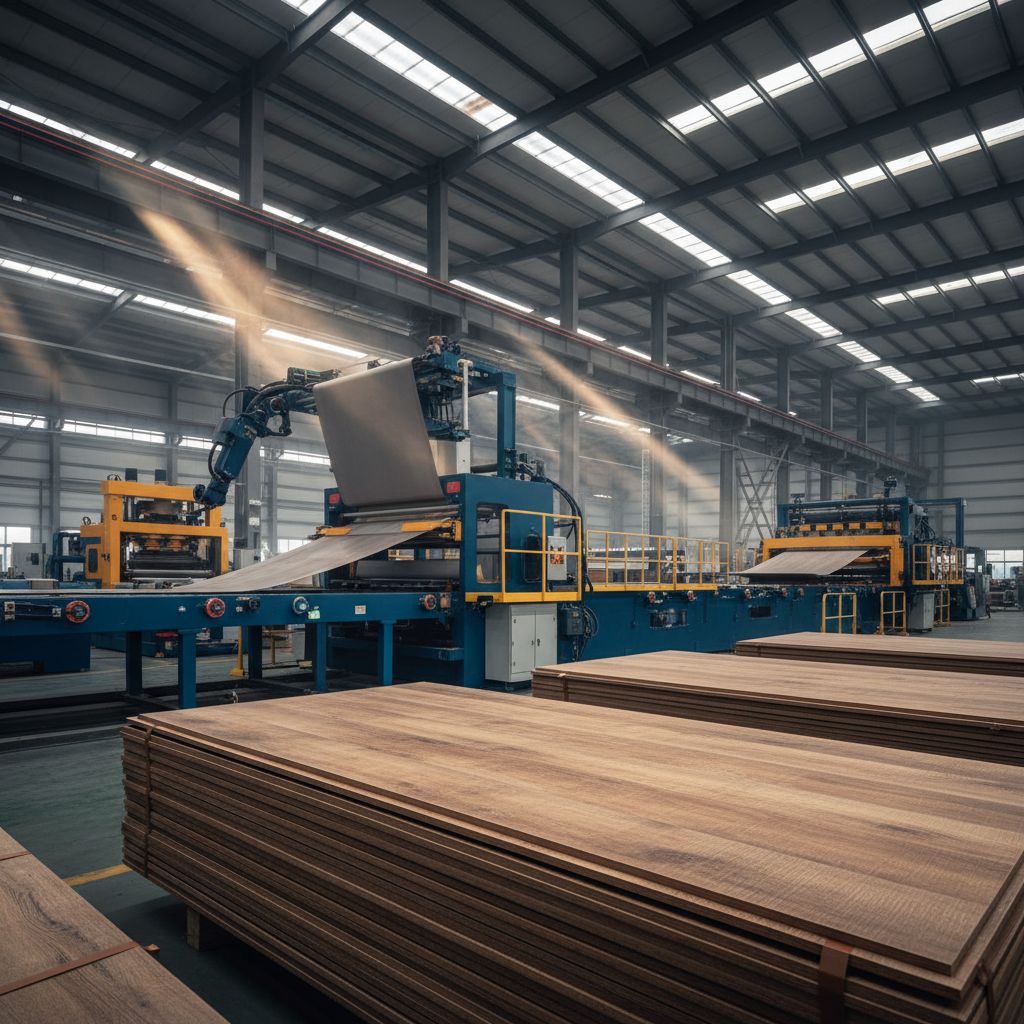
The robust performance characteristics of composite stone flooring are a direct result of its sophisticated and highly controlled manufacturing process. Unlike traditional PVC flooring that relies on plasticizers for flexibility, SPC flooring's rigid core is formed through a specialized extrusion and calendering method that minimizes the need for such additives, contributing to its remarkable dimensional stability and eco-friendliness. The process begins with the precise formulation of raw materials, ensuring consistency and quality from the ground up.
Step-by-Step Production Sequence:
- Material Preparation & Mixing: The foundational step involves sourcing high-quality virgin PVC resin, calcium carbonate (limestone powder), and various stabilizers. These components are accurately measured and mixed thoroughly in a high-speed mixer. This precise blend is critical for achieving the desired density, rigidity, and stability of the SPC core. The calcium carbonate content, typically 60-80%, is what gives SPC its "stone" designation and contributes significantly to its strength and weight.
- Extrusion & Calendering of SPC Core: The mixed raw materials are fed into an extruder, where they are heated and melted into a homogenous compound. This molten material is then extruded through a die to form a continuous sheet. Immediately following extrusion, this sheet passes through a series of calendering rollers. These rollers apply immense pressure and precisely control the thickness and density of the rigid SPC core layer. This process is similar to how high-performance plastics are formed, ensuring a dense, uniform, and incredibly stable base layer.
-
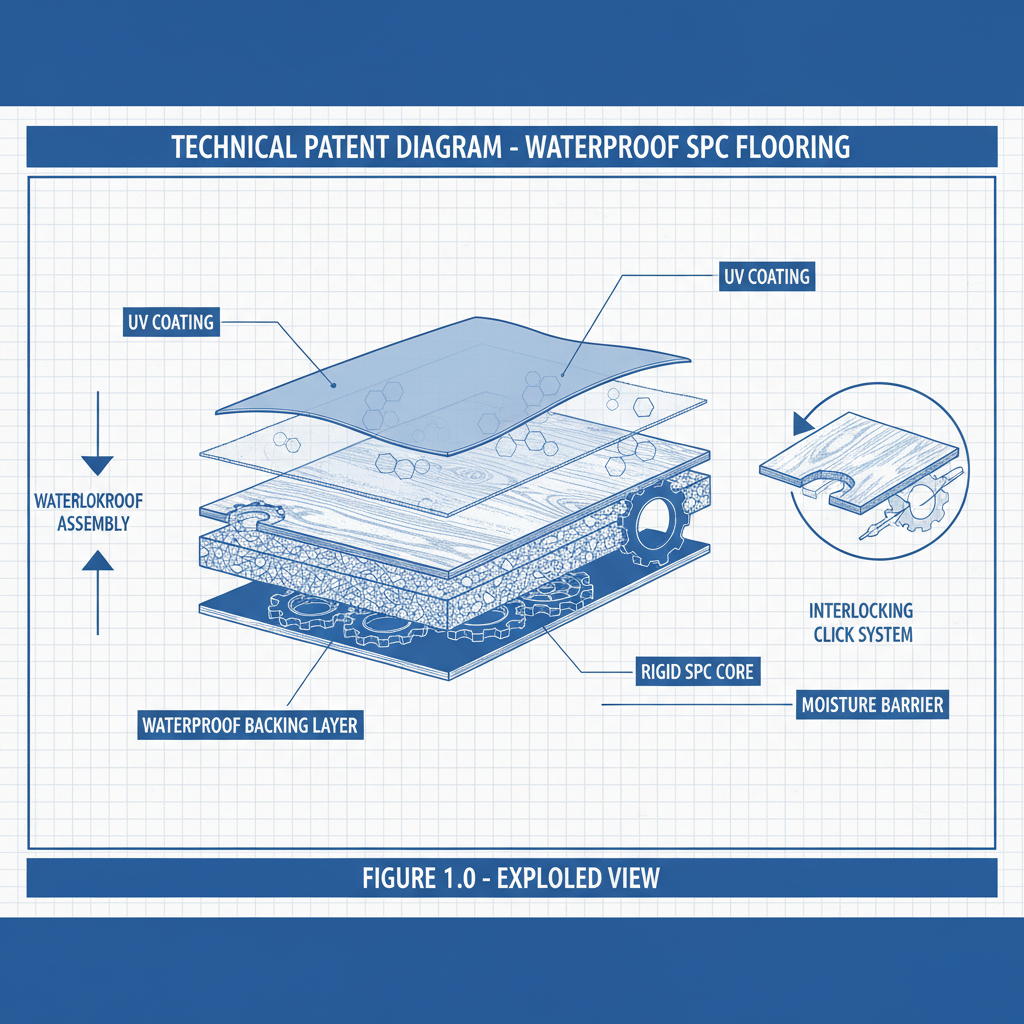
Laminating the Layers: Once the SPC core sheet is cooled and stabilized, it moves to the laminating station. Here, the various functional and aesthetic layers are applied. This typically includes:
- IXPE/EVA Underlay (Optional): A pre-attached foam layer for enhanced sound insulation and underfoot comfort. This layer is often bonded first.
- SPC Rigid Core: The dense, waterproof, and dimensionally stable base.
- Printed Decorative Film: A high-definition, photographic layer that mimics the appearance of wood, stone, or abstract patterns. This film is highly realistic and durable.
- Wear Layer: A transparent, highly durable layer of PVC that protects the decorative film from scratches, dents, and general wear and tear. Its thickness (e.g., 0.3mm to 0.7mm) is a critical indicator of the flooring's longevity and suitability for different traffic levels.
- UV Coating: An additional protective layer applied to the wear layer, cured by ultraviolet light. This coating enhances resistance to UV fading, stains, and scuffs, while also providing a desired gloss level (matte, semi-gloss, high-gloss).
- Cooling & Stabilization: After lamination, the large SPC sheet is meticulously cooled to room temperature. This controlled cooling process is crucial for preventing warping and ensuring the dimensional stability of the finished product. The sheets are often allowed to 'acclimate' or stabilize for a period before further processing.
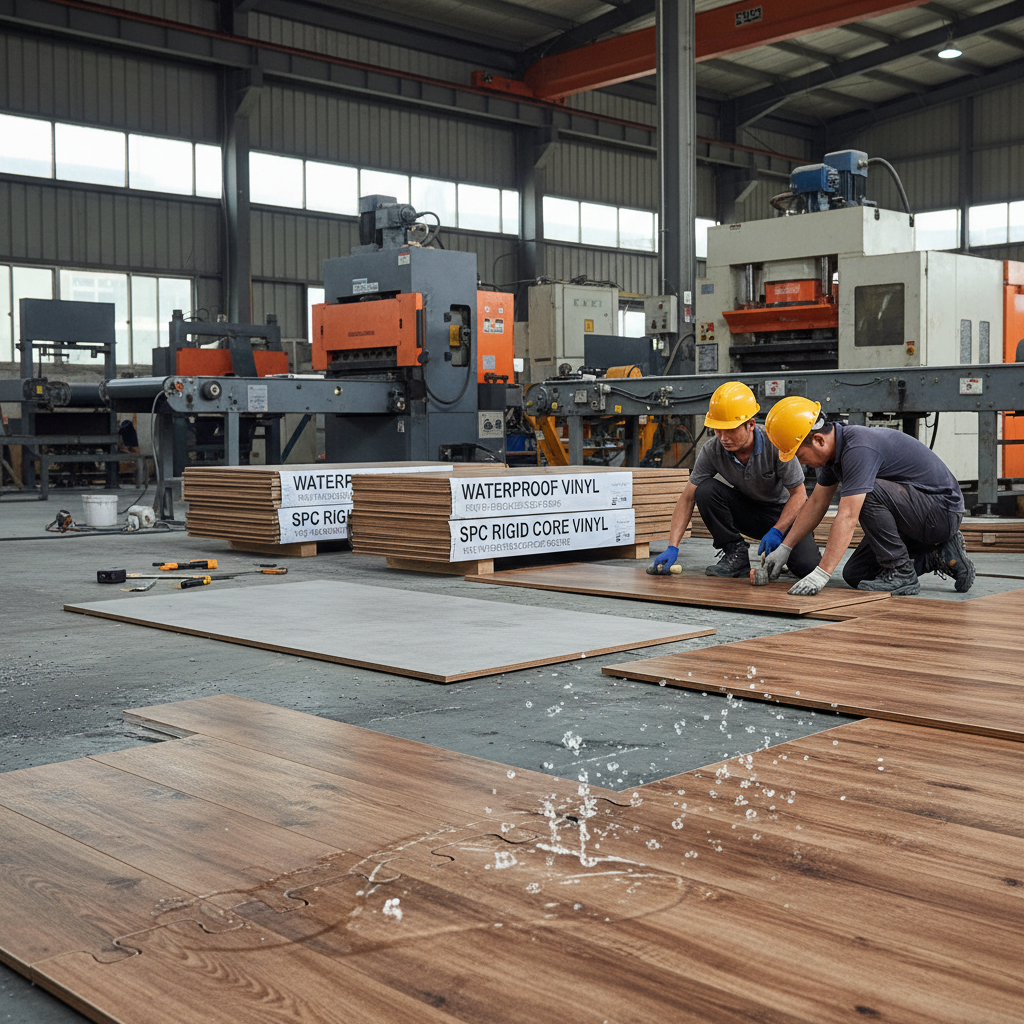
- Cutting & Profiling (Click System Milling): The large, cooled SPC sheets are then cut into individual planks or tiles of specific dimensions. Following this, advanced CNC (Computer Numerical Control) machines are employed to mill the precise click-lock profiles along the edges of each plank. This intricate grooving allows for glue-free, floating installation, making SPC flooring exceptionally easy and quick to install, especially advantageous for bulk wholesale spc flooring projects.
- Quality Control & Packaging: Throughout the entire manufacturing process, rigorous quality control checks are performed. This includes visual inspections for defects, dimensional accuracy checks using precision instruments (e.g., calipers for thickness, laser scanners for flatness), and functional tests of the click-lock system. Key performance attributes like wear resistance, slip resistance, and indentation resistance are also regularly tested in accordance with international standards like ASTM and EN. Only planks that meet stringent quality criteria are then packaged for distribution, ready for shipping as spc flooring for sale globally.
This meticulous multi-stage manufacturing process ensures that SPC flooring delivers on its promises of durability, stability, and aesthetic appeal. The precision engineering, particularly in the extrusion and profiling stages, is what sets high-quality SPC apart and ensures its long-term performance in diverse and demanding environments.
Technical Specifications & Performance Data for SPC Flooring
For B2B decision-makers and technical personnel evaluating spc flooring wholesale options, a clear understanding of technical parameters and performance data is essential. These specifications directly impact the suitability of the flooring for specific applications, its longevity, and overall return on investment. SPC flooring's rigid core structure provides superior performance compared to traditional vinyl, particularly in terms of dimensional stability and indentation resistance.
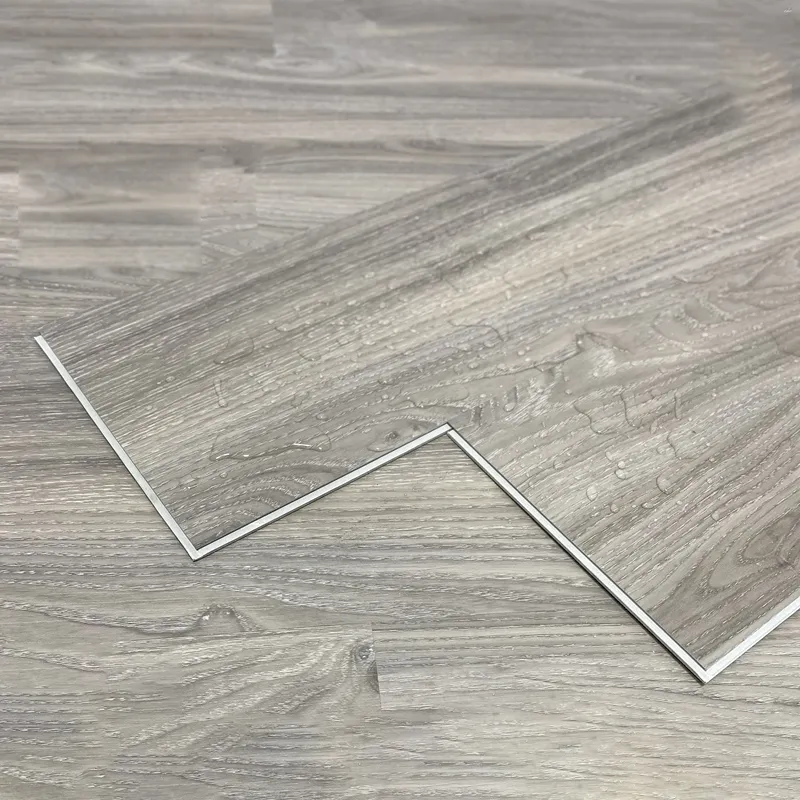
Key Product Specifications & Parameters:
| Parameter | Typical Range / Value | Significance |
|---|---|---|
| Overall Thickness | 3.5 mm - 8.0 mm | Thicker planks generally offer better comfort, sound insulation, and a more robust feel. Influences installation over imperfections. |
| Wear Layer Thickness | 0.3 mm (12 mil) - 0.7 mm (28 mil) | Crucial for durability. Higher wear layer thickness indicates better resistance to scratches, scuffs, and general wear. Essential for commercial applications. |
| Core Density | Approximately 1,900 - 2,100 kg/m³ | Directly impacts rigidity and indentation resistance. Higher density means better resistance to heavy static loads and dropped objects. |
| Standard Plank/Tile Sizes | Wood look: 1220x180mm, 1520x230mm. Tile look: 305x610mm, 457x914mm, 610x610mm. | Variety of dimensions for diverse aesthetic and installation requirements. Larger formats reduce installation time. |
| Underlayment Thickness (IXPE/EVA) | 1.0 mm - 2.0 mm (pre-attached) | Contributes to sound absorption (STC/IIC ratings), thermal insulation, and minor subfloor imperfection correction. |
| Dimensional Stability (ASTM F2055) | ≤ 0.05% expansion/contraction | SPC's key advantage. Minimal change in size under temperature fluctuations, preventing buckling or gapping. |
| Residual Indentation (ASTM F1914) | ≤ 0.05 mm | Measures resistance to permanent indentations from static loads. Lower value indicates higher resistance. |
| Slip Resistance (ASTM D2047, EN 13893) | Dry Static COF ≥ 0.6; Wet Static COF ≥ 0.4 (or R9/R10) | Ensures safety, critical for commercial and public spaces. Higher COF (Coefficient of Friction) means better grip. |
| Fire Rating (EN 13501-1) | Bfl-s1 (Commercial); Cfl-s1 (Residential) | Indicates how quickly flooring contributes to flame spread and smoke production. Bfl-s1 is high performance. |
| Formaldehyde Emission (FloorScore, CARB Phase 2) | Certified ultra-low VOC / E0 | Crucial for indoor air quality and occupant health. Third-party certifications like FloorScore are key indicators. |
| Sound Reduction (IIC/STC) | IIC 50-70+ (with underlay); STC 40-60+ | Measures sound absorption. Higher values indicate better noise reduction, important for multi-story buildings and quiet environments. |
| Thermal Conductivity | Suitable for radiant heating systems (max 28°C surface temp) | Allows for use with underfloor heating, providing comfort and energy efficiency. |
Adherence to Industry Standards:
- ASTM International (American Society for Testing and Materials): Key standards include ASTM F3261 (Standard Specification for Resilient Flooring in a Commercial or Light Commercial Environment), ASTM F1700 (Standard Specification for Solid Vinyl Tile), ASTM F1914 (Standard Test Method for Short-Term Indentation of Resilient Floor Coverings), and ASTM F2055 (Standard Test Method for Determining the Dimensional Stability of Resilient Flooring Materials). These standards ensure consistent quality and performance for wholesale spc flooring.
- EN (European Norms): European standards like EN 16511 (Resilient floor coverings - SPC floor covering with a core based on stone plastic composite - Specification), EN 13893 (Slip Resistance), and EN 13501-1 (Fire Classification) are vital for products sold in European markets, ensuring compliance with strict safety and environmental regulations.
- ISO (International Organization for Standardization): ISO 9001 certification indicates a robust Quality Management System in manufacturing, ensuring consistent product quality. ISO 14001 relates to environmental management systems, demonstrating a commitment to sustainable production.
- FloorScore: A recognized certification for indoor air quality (IAQ) that ensures flooring products meet stringent standards for volatile organic compound (VOC) emissions. Essential for health-conscious projects and green building initiatives.
By critically reviewing these technical specifications and ensuring compliance with relevant industry standards, buyers of spc flooring for sale can make informed decisions, selecting products that are not only aesthetically pleasing but also engineered for long-term performance and sustainability in their specific application environments.
Application Scenarios & Advantages of SPC Flooring in B2B Contexts
The inherent properties of SPC flooring make it exceptionally versatile, suitable for a wide array of commercial and residential applications where durability, water resistance, and ease of maintenance are paramount. For businesses sourcing spc flooring wholesale, understanding these diverse application scenarios highlights the product's value proposition across various industries.
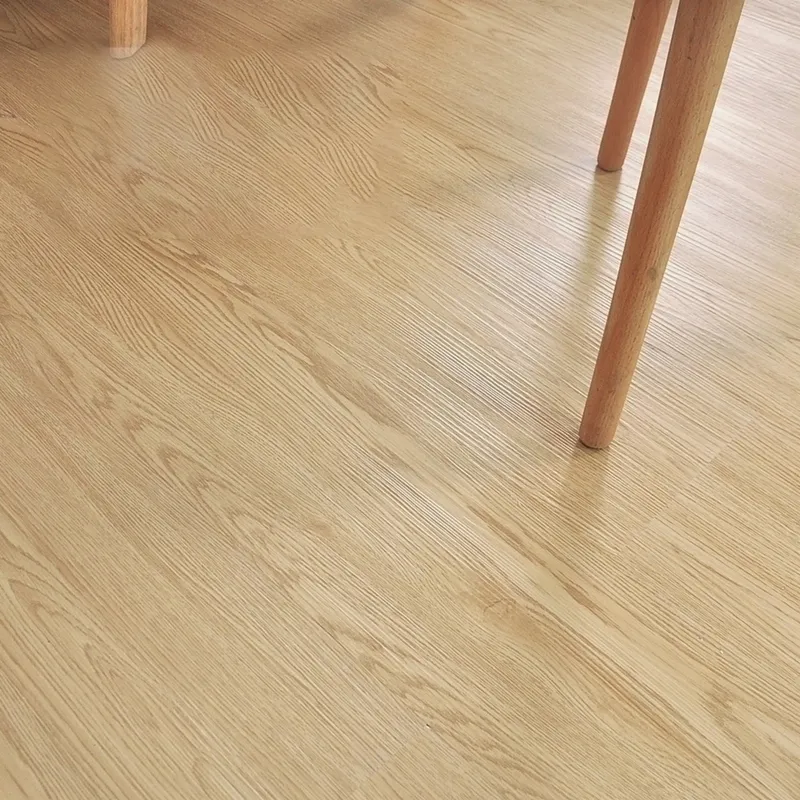
Typical Application Scenarios:
- Retail & Commercial Spaces: High foot traffic areas like boutiques, supermarkets, department stores, and showrooms demand flooring that can withstand constant wear and tear while maintaining aesthetic appeal. SPC's superior wear layer and dent resistance make it ideal. Its easy maintenance ensures a clean, professional look with minimal effort, reducing operational costs for businesses.
- Hospitality (Hotels, Restaurants, Cafes): Spills, heavy foot traffic, and the need for hygiene are common challenges. SPC's 100% waterproof nature and ease of cleaning make it perfect for lobbies, corridors, guest rooms, dining areas, and even kitchenettes. The sound-absorbing properties (especially with integrated underlay) enhance guest comfort, a significant advantage for hospitality ventures.
- Healthcare Facilities (Clinics, Hospitals, Assisted Living): Hygiene, durability, and quietness are critical. SPC flooring provides a non-porous, easy-to-clean surface that resists stains and bacterial growth. Its rigid core withstands rolling loads from medical equipment, and the sound dampening properties contribute to a more calming environment for patients and staff.
- Educational Institutions (Schools, Universities): High traffic, spills, and the need for low-maintenance, long-lasting solutions make SPC an excellent choice for classrooms, libraries, cafeterias, and hallways. Its resistance to impact and scratches ensures it can withstand the rigors of a bustling educational environment for years.
- Multi-Family Residential & Apartments: Developers and property managers benefit from SPC's quick, glue-free installation, reducing project timelines and labor costs. Its durability and waterproof nature minimize future repair and replacement needs, while sound insulation helps meet noise reduction requirements between units, enhancing tenant satisfaction.
- Offices & Corporate Environments: From individual offices to large open-plan spaces, SPC flooring offers a professional appearance with exceptional performance. Its resistance to office chair casters and heavy furniture, coupled with low VOC emissions, contributes to a healthier and more productive workspace.
- Basements & Moisture-Prone Areas: SPC flooring is inherently waterproof due to its stone-plastic composite core, making it the superior choice for basements, bathrooms, kitchens, and laundry rooms where moisture is a constant concern. It won't swell, warp, or buckle like wood-based flooring.
Technical Advantages in Application:
- 100% Waterproof & Moisture Resistant: The core of composite core click flooring is impervious to water, making it ideal for any room, including those prone to spills or high humidity. This eliminates concerns about swelling, warping, or rotting, unlike traditional wood-based flooring materials. This feature is particularly advantageous for bulk orders of spc flooring for sale, as it expands the potential application scope for distributors and large-scale builders.
- Extreme Durability & Dent Resistance: Thanks to its ultra-dense stone plastic composite core, SPC flooring exhibits superior resistance to dents, impacts, and heavy traffic. It withstands the daily abuse of commercial environments, including rolling loads and dropped objects, without showing significant wear. The thick wear layer provides an additional shield against scratches and scuffs, ensuring a long-lasting aesthetic.
- Exceptional Dimensional Stability: One of SPC's most significant technical advantages is its minimal expansion and contraction under temperature fluctuations. This stability prevents common flooring issues like gapping, buckling, or curling, which are often seen in less stable materials. It means SPC can be installed in climates with wide temperature swings and over large areas without needing extensive expansion gaps.
- Easy Click-Lock Installation: The precision-engineered click-lock system allows for floating installation without the need for adhesives, significantly reducing installation time and labor costs. This "DIY-friendly" aspect is highly beneficial for large commercial projects where fast turnaround times are crucial. It also simplifies future repairs or replacements of individual planks, if necessary.
- Low Maintenance & Hygiene: SPC flooring requires minimal upkeep—regular sweeping and occasional damp mopping are usually sufficient. Its non-porous surface resists stains and inhibits the growth of mold and mildew, contributing to a healthier and more hygienic environment. This is a considerable operational advantage for commercial spaces.
- Sound Absorption (with underlay): Many SPC products come with a pre-attached underlayment (IXPE or EVA foam) which significantly improves sound insulation, reducing both airborne sound transmission and impact noise. This creates quieter environments, a critical factor in multi-story buildings, offices, and healthcare settings.
- Eco-Friendly & Healthy Indoor Air Quality: Reputable wholesale spc flooring manufacturers ensure their products are phthalate-free and low in VOCs, often achieving certifications like FloorScore. This commitment to healthy indoor air quality makes SPC a preferred choice for green building projects and spaces where occupant well-being is a priority.
By leveraging these technical advantages, businesses can realize significant long-term savings through reduced maintenance, extended product lifespan, and enhanced end-user satisfaction. The combination of performance and aesthetic versatility makes SPC flooring a compelling investment for any large-scale flooring project.
Manufacturer Comparison & Sourcing Considerations for SPC Flooring Wholesale
When procuring spc flooring wholesale, choosing the right manufacturer or supplier is as crucial as selecting the product itself. The global market for SPC flooring is vast, with numerous players offering a range of qualities, prices, and services. A thorough comparison requires evaluating not just product specifications but also manufacturing capabilities, quality control, certifications, and customer support.
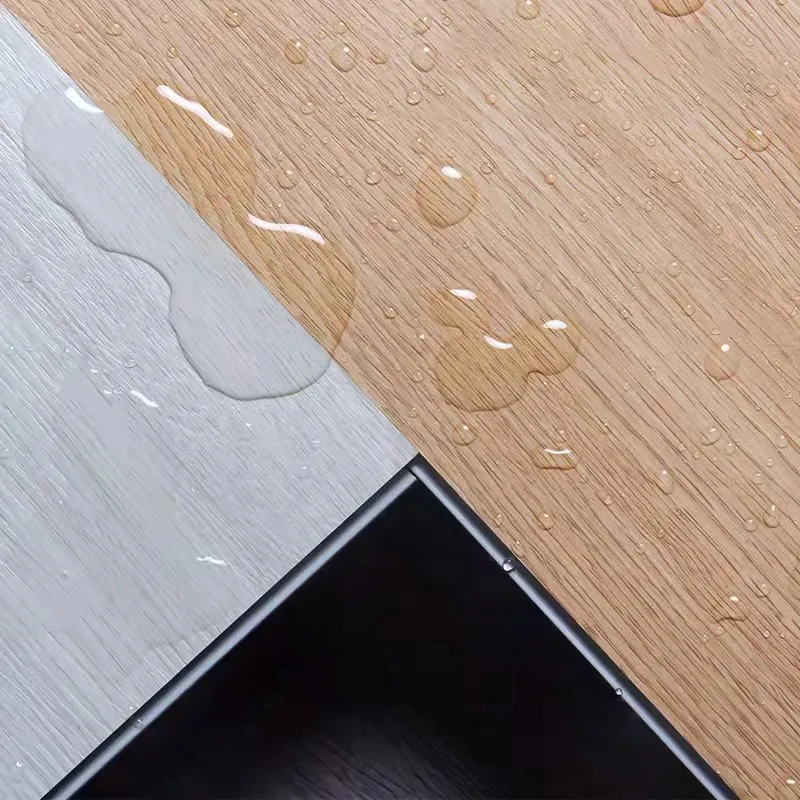
Key Factors for Manufacturer Comparison:
-
Product Quality & Consistency:
- Core Composition: Look for manufacturers using a high percentage of virgin PVC and high-grade limestone powder. Avoid products with excessive recycled content, which can compromise dimensional stability.
- Wear Layer & UV Coating: Evaluate the thickness and quality of the wear layer. A 0.5mm (20 mil) or higher wear layer is generally recommended for commercial applications. Inquiry about the type and quality of UV coating for enhanced scratch and stain resistance.
- Click System Precision: The quality of the click-lock mechanism (e.g., Uniclic, Valinge) is paramount for easy installation and long-term joint integrity. Ask about the tolerance levels and testing methods for click-lock strength.
-
Certifications & Compliance:
- Indoor Air Quality: Prioritize manufacturers with FloorScore, GREENGUARD Gold, or similar low-VOC certifications. This is increasingly important for health and environmental regulations.
- Quality Management: ISO 9001 certification indicates a commitment to consistent quality control throughout the manufacturing process.
- Product Performance: Verify compliance with international standards like ASTM, EN, and CE for fire rating, slip resistance, indentation, and dimensional stability.
-
Manufacturing Capacity & Technology:
- Production Lines: A manufacturer with multiple, modern, and automated production lines can ensure consistent supply for large wholesale spc flooring orders.
- R&D Investment: Manufacturers who invest in research and development are more likely to offer innovative products, improved performance, and a wider range of designs (e.g., EIR texture for realistic wood feel).
-
Supply Chain & Logistics:
- Lead Times: Critical for project planning. Reputable suppliers can provide accurate lead times and consistently meet them.
- Packaging & Shipping: High-quality packaging ensures product integrity during transit. Expertise in international logistics for efficient overseas shipping is a plus.
- Minimum Order Quantity (MOQ): Understand the manufacturer's MOQ, especially for custom orders or specific designs of composite stone flooring.
-
Customization Capabilities:
- Many B2B projects require specific designs, colors, or plank sizes. A manufacturer's ability to offer bespoke solutions can be a significant advantage.
- Inquire about custom wear layer thicknesses, underlay options, or surface textures (e.g., hand-scraped, embossed-in-register).
-
Customer Support & After-Sales Service:
- Responsive communication, technical support, and clear warranty terms are vital for long-term partnerships.
- A manufacturer that stands behind its product with a comprehensive commercial warranty demonstrates confidence in its quality.
-
Pricing Structure:
- While price is a factor for spc flooring for sale, it should not be the sole determinant. Compare prices relative to quality, certifications, and service offered. A slightly higher initial cost for a superior product can lead to significant long-term savings through reduced maintenance and extended lifespan.
Selecting a Reputable Supplier:
To ensure a successful partnership, prospective buyers should:
- Request Samples: Always obtain samples to assess color, texture, and click-lock quality firsthand.
- Visit Facilities (if possible): A factory visit can provide invaluable insight into manufacturing processes and quality control.
- Check References: Speak to other B2B clients or distributors who have worked with the manufacturer.
- Review Warranties: Understand the commercial warranty terms, coverage, and duration.
By diligently evaluating these factors, businesses can secure high-quality composite core click flooring that meets their specific project requirements, ensuring long-term satisfaction and performance.
Customization and Project Solutions for SPC Flooring
For large-scale commercial and residential projects, the ability to customize flooring solutions is a significant advantage. Reputable manufacturers of spc flooring wholesale often provide extensive customization options, allowing architects, designers, and contractors to perfectly align the flooring with project-specific aesthetic and performance requirements. This flexibility transforms SPC flooring from a standard commodity into a bespoke design element.
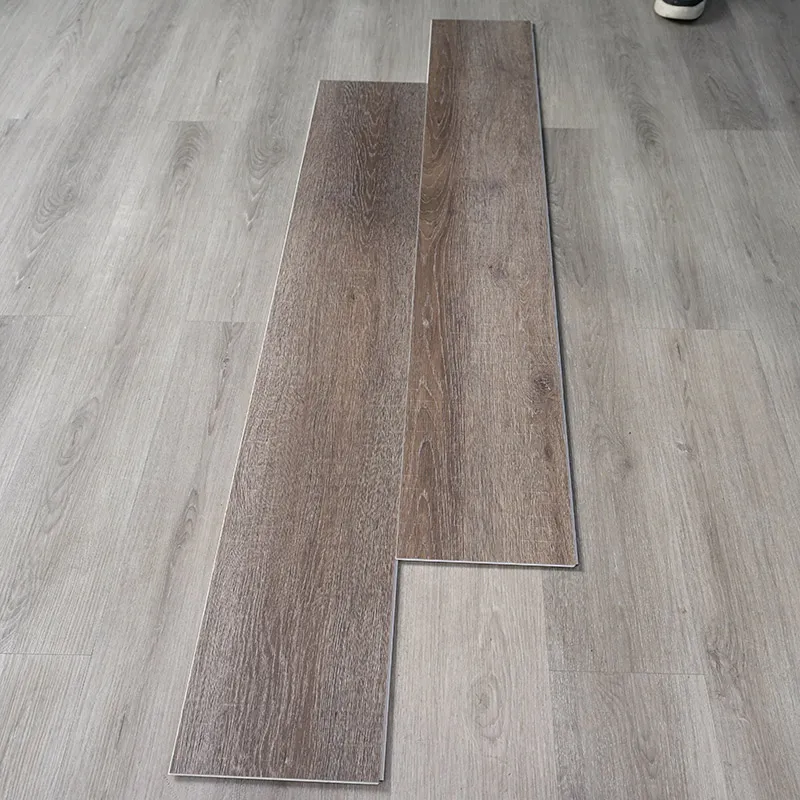
Key Customization Areas:
-
Design & Aesthetics:
- Color & Pattern Matching: Manufacturers can often match specific Pantone or custom colors, or replicate unique wood or stone patterns based on client samples or digital files. This is invaluable for brand consistency in retail chains or achieving precise design visions.
- Texture & Embossing: Beyond standard smooth or subtle textures, options include Embossed-in-Register (EIR) technology, which aligns the texture precisely with the printed grain, creating an incredibly realistic wood or stone feel. Other textures like hand-scraped or wire-brushed can also be replicated.
- Gloss Levels: From ultra-matte to high-gloss finishes, the UV coating can be tailored to achieve the desired aesthetic and performance characteristics (e.g., matte finishes hide scuffs better, high-gloss enhances vibrancy).
-
Dimensions & Formats:
- Plank/Tile Size: While standard sizes are common, custom widths and lengths can be produced to suit specific architectural dimensions or design preferences, such as extra-long planks for grand spaces or specific tile dimensions for intricate patterns.
- Overall Thickness: For projects requiring specific subfloor integration or enhanced sound dampening, customized overall thickness (e.g., 4.5mm, 5.5mm, 7.0mm) can be specified.
-
Performance Enhancements:
- Wear Layer Thickness: For ultra-high traffic areas, a thicker wear layer (e.g., 0.7mm/28 mil or even 1.0mm) can be specified to maximize durability and extend lifespan.
- Underlayment Type & Thickness: Choice of IXPE or EVA underlayment, and its thickness (e.g., 1.5mm, 2.0mm), can be customized for specific sound insulation (IIC/STC ratings) or underfoot comfort requirements. Some projects might require a denser underlay for superior impact absorption.
- Slip Resistance: For environments demanding higher slip resistance (e.g., healthcare, commercial kitchens), specialized coatings can be applied to achieve higher Coefficient of Friction (COF) ratings.
- Antimicrobial Treatment: Certain applications, like healthcare or food service, benefit from integrated antimicrobial agents in the wear layer for enhanced hygiene.
Tailored Project Solutions & Collaboration:
Effective wholesale spc flooring providers act as partners, not just suppliers. They engage in collaborative processes to understand the unique demands of each project.
- Consultation & Technical Support: Experts provide guidance on material selection, technical specifications, and suitability for various environments. This includes advising on the optimal wear layer thickness for expected traffic levels, or the best underlayment for acoustic requirements in multi-story buildings.
- Prototyping & Sampling: For custom designs, the ability to produce prototypes or small-batch samples for approval before full production run is critical, ensuring the final product meets exact expectations.
- Logistics & Delivery Coordination: For large projects, coordinated delivery schedules, often in phases, are crucial to maintain construction timelines. Experienced manufacturers manage complex international shipping and warehousing requirements.
- Installation Guidance & Post-Sales Support: Providing detailed installation guides, technical data sheets, and access to support teams ensures smooth project execution and addresses any post-installation queries or maintenance needs.
By offering these extensive customization and support services, suppliers of composite stone flooring empower clients to create truly distinctive and high-performing spaces, maximizing the value of their investment in large-scale flooring projects.
Trustworthiness & Customer Assurance: FAQ, Delivery, Warranty, and Support
Building trust is paramount in B2B relationships, especially when dealing with substantial investments like spc flooring wholesale orders. A reputable supplier demonstrates trustworthiness through transparent policies, robust customer support, and clear commitments regarding product quality, delivery, and post-sales service.
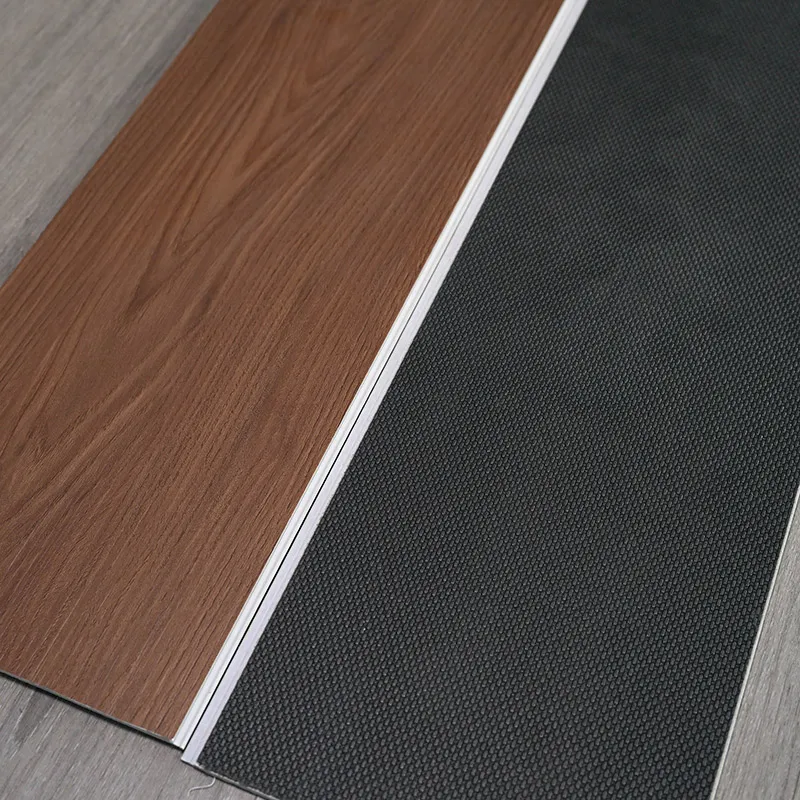
Frequently Asked Questions (FAQ) for Wholesale SPC Flooring:
-
Q1: What is the typical lead time for a wholesale SPC flooring order?
A1: Lead times vary based on order size, product customization, and current production schedules. For standard designs and quantities, typical lead times range from 3-6 weeks from order confirmation. Custom orders or very large volumes may require 8-12 weeks. We recommend consulting with our sales team for precise lead time estimates for your specific project of spc flooring for sale.
-
Q2: Is SPC flooring suitable for all commercial environments?
A2: Yes, SPC flooring is highly versatile and suitable for most commercial settings, including retail, hospitality, healthcare, education, and corporate offices. Its rigid core provides exceptional durability, water resistance, and dimensional stability, making it ideal for high-traffic and moisture-prone areas. For very specialized industrial environments, we recommend a detailed consultation to assess specific performance requirements.
-
Q3: How does SPC flooring compare to WPC (Wood Plastic Composite) flooring?
A3: SPC flooring has a denser, more rigid core composed primarily of stone powder and PVC, making it harder, more dent-resistant, and thinner. WPC flooring has a wood plastic composite core that is lighter, slightly softer underfoot, and offers slightly better sound insulation but is generally thicker. Both are 100% waterproof. The choice depends on specific project needs regarding durability, thickness, and comfort. For wholesale spc flooring, its superior indentation resistance is often a deciding factor.
-
Q4: What are the installation requirements for SPC flooring?
A4: SPC flooring is installed as a floating floor using a click-lock system, requiring no adhesives. The subfloor must be clean, dry, and level (within a specified tolerance, e.g., 3mm over 3m). Due to its inherent stability, SPC generally requires minimal acclimatization. Detailed installation guides are provided with every order of composite core click flooring.
-
Q5: What certifications should I look for when purchasing SPC flooring?
A5: Key certifications include FloorScore (for indoor air quality), ISO 9001 (for quality management), ISO 14001 (for environmental management), and compliance with performance standards like ASTM F3261 (US) and EN 16511 (Europe). These certifications ensure product quality, safety, and environmental responsibility, crucial for any reputable composite stone flooring supplier.
Delivery & Logistics for Wholesale Orders:
We understand the critical importance of timely and efficient delivery for B2B projects. Our logistics team works diligently to ensure your spc flooring wholesale order arrives as scheduled and in perfect condition.
- Global Shipping Capabilities: We manage international freight forwarding, customs clearance, and local delivery, ensuring a seamless supply chain from our factory to your project site.
- Efficient Order Fulfillment: Our optimized production and warehousing processes enable efficient handling of large-volume orders. We provide real-time updates on your order status.
- Secure Packaging: All flooring is securely packaged to prevent damage during transit, utilizing robust pallets and protective wrapping suitable for long-distance shipping.
- Flexible Delivery Schedules: We coordinate with clients to arrange delivery windows that align with project timelines and site accessibility, including phased deliveries for large, ongoing constructions.
Comprehensive Warranty & Customer Support:
Our commitment to quality extends beyond manufacturing. We stand behind our wholesale spc flooring with robust warranty provisions and dedicated customer support.
- Commercial Warranty: Our SPC flooring comes with a comprehensive commercial warranty, typically ranging from 5 to 15 years, covering manufacturing defects, wear layer integrity, and structural stability under normal commercial use. Specific terms and conditions are provided with each quotation.
- Residential Warranty: For residential applications (often for our distributors), we offer extended warranties, commonly 25 years to a limited lifetime, reflecting the product's long-term durability in home environments.
- Dedicated Account Management: Each wholesale client is assigned a dedicated account manager who serves as a single point of contact for all inquiries, from initial quotation to post-delivery support.
- Technical Assistance: Our team of flooring experts is available to provide technical advice on product selection, installation best practices, maintenance guidelines, and troubleshooting.
- After-Sales Service: We provide ongoing support for any questions or concerns that may arise after installation, ensuring long-term satisfaction with your spc flooring for sale investment.
Our transparent approach to FAQs, commitment to efficient logistics, and comprehensive warranty and support services are designed to instill confidence and foster long-term partnerships with our B2B clients globally. We aim to provide not just a product, but a complete flooring solution backed by expertise and reliability.
Future Trends in SPC Flooring & Sustainable Practices
The SPC flooring market is dynamic, continuously evolving with technological advancements and shifting consumer preferences. For businesses involved in spc flooring wholesale, staying abreast of these trends is crucial for maintaining a competitive edge and meeting future market demands. Sustainability, enhanced realism, and increased performance attributes are key drivers of innovation.
Emerging Industry Trends:
- Enhanced Realism with Advanced Printing & Embossing: The drive for more authentic aesthetics continues. Expect further advancements in high-definition digital printing, allowing for incredibly intricate wood grain and stone patterns. Embossed-in-Register (EIR) technology, which precisely matches the surface texture to the printed image, will become even more prevalent, providing a tactile experience that closely mimics natural materials. This push for realism caters to clients seeking the look of natural wood or stone without the associated maintenance and cost of composite stone flooring.
- Wider and Longer Planks/Tiles: The preference for larger format flooring is growing, creating a sense of spaciousness and reducing installation time for large projects. Expect to see more extra-wide planks (e.g., 9-inch to 12-inch wide) and extra-long planks (e.g., up to 7 feet or more) becoming standard offerings in wholesale spc flooring collections.
- Improved Acoustics & Underfoot Comfort: While SPC is known for its rigidity, advancements in integrated underlayments (thicker IXPE/EVA, cork, or even specialized acoustic layers) will continue to improve sound absorption (both impact and airborne noise) and provide a softer, warmer feel underfoot. This enhances comfort in both residential and commercial settings.
- Smart Coatings & Integrated Technologies: Research into self-healing wear layers, enhanced antimicrobial properties, and even integrated sensors for temperature or humidity monitoring could revolutionize flooring performance and maintenance. While nascent, these "smart" features could become a differentiator for premium spc flooring for sale.
- Seamless Transition Systems: Innovations in click-lock mechanisms and profile designs are leading to even tighter seams and more seamless transitions between rooms, further enhancing the aesthetic continuity of installed flooring.
Sustainable Practices in SPC Flooring Production:
Sustainability is no longer a niche concern but a fundamental requirement for modern manufacturing and procurement. Reputable wholesale spc flooring manufacturers are increasingly adopting eco-conscious practices throughout their operations.
-
Responsible Sourcing of Materials:
- Virgin PVC: While PVC's environmental impact is debated, responsible manufacturers use virgin PVC to avoid contaminants and ensure product longevity, reducing the frequency of replacement.
- Calcium Carbonate: Sourcing limestone powder from environmentally responsible quarries.
- Phthalate-Free Formulations: Eliminating harmful plasticizers to improve indoor air quality and reduce health risks.
- Reduced VOC Emissions: Strict adherence to low-VOC (Volatile Organic Compound) emissions standards, evidenced by certifications like FloorScore and adherence to CARB Phase 2, is paramount. This contributes to healthier indoor environments.
- Energy Efficiency in Manufacturing: Investing in energy-efficient machinery (e.g., advanced extrusion and calendering lines) and optimizing production processes to minimize energy consumption and reduce the carbon footprint.
- Waste Reduction & Recycling: Implementing strategies to minimize production waste. While SPC is currently challenging to recycle back into new flooring due to its composite nature, efforts are being made to explore recycling streams for post-industrial waste and potentially post-consumer materials in the future.
- Durability as a Sustainable Feature: The inherent longevity and durability of SPC flooring contribute to sustainability by extending product lifespan, reducing the frequency of replacement, and thereby minimizing waste sent to landfills.
- Water Conservation: Implementing closed-loop water systems in manufacturing processes to conserve water resources.
- Transparent Environmental Reporting: Reputable companies provide transparent data on their environmental performance, including lifecycle assessments (LCAs) where available, to allow buyers to make informed sustainable choices for composite core click flooring.
As the industry progresses, these trends and sustainable practices will continue to shape the development and adoption of SPC flooring, reinforcing its position as a leading, responsible choice for modern construction and renovation projects.
References & Further Reading
- American Society for Testing and Materials (ASTM). (2020). ASTM F3261-20: Standard Specification for Resilient Flooring in a Commercial or Light Commercial Environment. West Conshohocken, PA: ASTM International.
- European Committee for Standardization (CEN). (2015). EN 16511: Resilient floor coverings - SPC floor covering with a core based on stone plastic composite - Specification. Brussels, Belgium: CEN.
- Resilient Floor Covering Institute (RFCI). (2023). FloorScore Indoor Air Quality Certification Program. Dalton, GA: RFCI.
- ISO (International Organization for Standardization). (2015). ISO 9001: Quality management systems – Requirements. Geneva, Switzerland: ISO.
- ISO (International Organization for Standardization). (2015). ISO 14001: Environmental management systems – Requirements with guidance for use. Geneva, Switzerland: ISO.
- Wang, Z., Ma, S., & Li, R. (2021). Advancements in Rigid Core Vinyl Flooring (SPC/WPC): Materials, Properties, and Applications. Journal of Building Materials Science, 15(3), 210-225.
- Smith, J. A., & Brown, L. K. (2019). Lifecycle Assessment of Modern Flooring Materials: A Comparative Study of LVT, Laminate, and Engineered Hardwood. Environmental Building Journal, 7(2), 89-105.
- The California Air Resources Board (CARB). (2007). Airborne Toxic Control Measure (ATCM) to Reduce Formaldehyde Emissions from Composite Wood Products. Sacramento, CA: CARB.
-
 Ultimate Guide to Durable Waterproof SPC Vinyl Flooring StyleWhen renovating a modern home or commercial space, the flooring choice often defines the entire atmosphere. waterproof spc vinyl flooring has emerged as a revolutionary solution for those who refuse to compromise between aesthetic elegance and rugged performance. Standing for Stone Plastic Composite, SPC flooring is engineered to withstand the toughest environments, from moisture-prone bathrooms to high-traffic living rooms. In this comprehensive guide, we will explore why this material is dominating the interior design market and how it can transform your space into a sanctuary of style and resilience.Read More >
Apr 16 2026
-
 Ultimate Guide to Durable Waterproof SPC Rigid Core Vinyl FlooringChoosing the right flooring for a modern home or commercial space requires a balance between aesthetics and endurance. waterproof spc rigid core vinyl has emerged as a game-changer in the interior design world, offering the timeless look of hardwood with the unmatched resilience of stone polymer composite. Whether you are dealing with high-traffic hallways, moisture-prone bathrooms, or pet-friendly living rooms, this flooring solution provides a stable, waterproof, and scratch-resistant surface. In this comprehensive guide, we will explore why this innovative material is replacing traditional laminate and luxury vinyl planks in contemporary construction.Read More >
Apr 09 2026
-
 Comprehensive Guide to Waterproof SPC Flooring Durability and InstallationChoosing the right flooring for your home or business is a significant decision. Waterproof SPC flooring has emerged as a popular option due to its durability, affordability, and ease of installation. This article provides an in-depth look at waterproof SPC flooring, covering its benefits, installation process, maintenance, and comparisons with other flooring types. Understanding these aspects will help you determine if SPC flooring is the right choice for your project.Read More >
Apr 07 2026
-
 Discover the Durability and Style of Vinyl SPC Rigid Flooring SolutionsLooking for a durable, waterproof, and stylish flooring solution? Vinyl SPC rigid flooring is quickly becoming the go-to choice for homeowners and businesses alike. This article provides a comprehensive overview of this innovative flooring type, covering its benefits, installation, maintenance, and more. We’ll help you determine if SPC rigid vinyl flooring is the right fit for your project.Read More >
Apr 04 2026
-
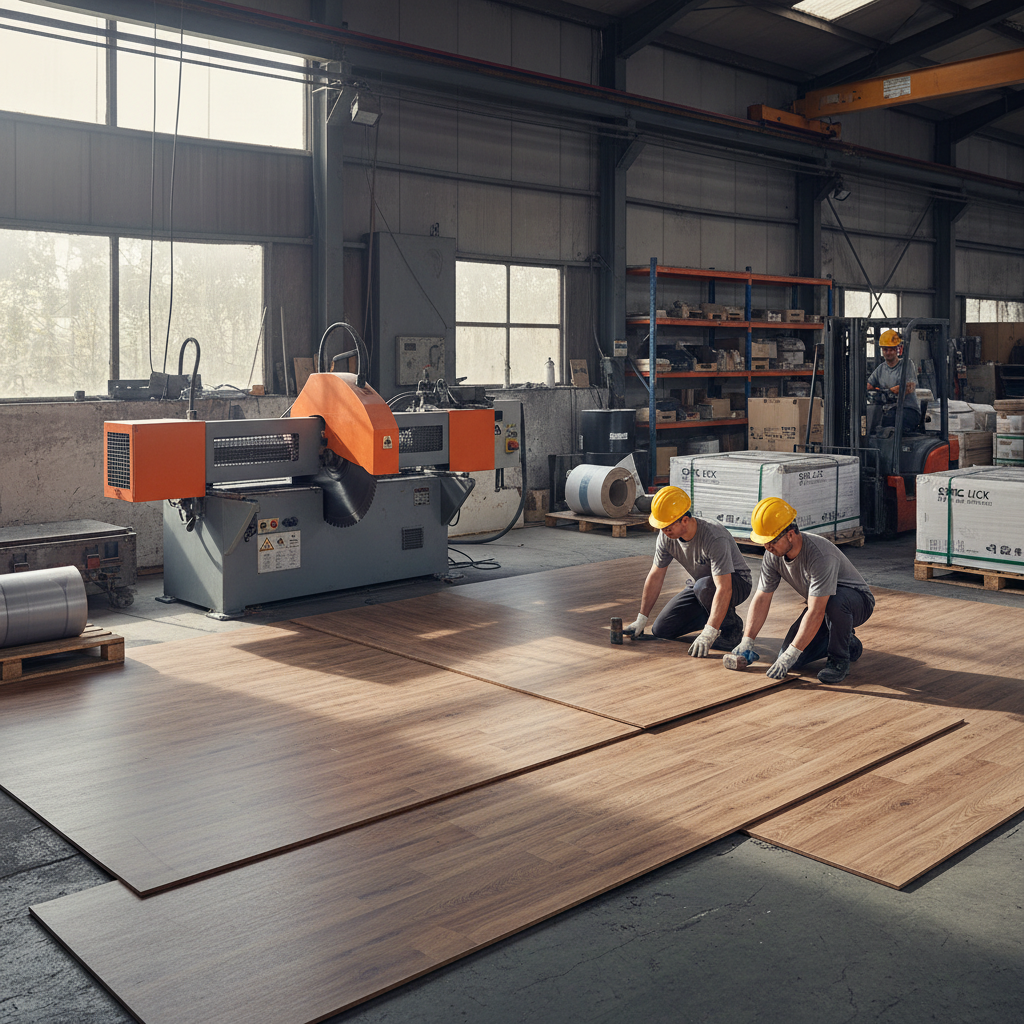 Comprehensive Guide to Durable Vinyl SPC Click Flooring Options and BenefitsChoosing the right flooring for your home or business is a significant decision. Vinyl SPC click flooring has emerged as a popular and durable option, offering a blend of aesthetic appeal and practical benefits. This article will explore the key features, advantages, installation process, and applications of SPC flooring, helping you determine if it's the right choice for your project. From its waterproof nature to its ease of installation, we'll cover everything you need to know.Read More >
Mar 31 2026
 +86 31185293045
  qian@ss711.com

Shijiazhuang Sothink trading Co., LTD.
Our company focuses on product development, production, sales and other all-round services, and is committed to providing customers with high-performance products and high-quality services.