



WPC Fence Panels For Sale: Durable, Low-Maintenance Fencing
Driving Innovation: The Evolution of wpc fence panels for sale
The architectural and landscaping industries are continually seeking materials that offer an optimal blend of durability, aesthetics, and sustainability. In this evolving landscape, Wood-Plastic Composite (WPC) materials have emerged as a frontrunner, particularly for exterior applications like fencing. The market for wpc fence panels for sale is experiencing robust growth, driven by increasing demand for eco-friendly, low-maintenance, and long-lasting alternatives to traditional timber and metal. WPC combines the natural appeal of wood with the resilience of plastic, offering superior resistance to decay, insects, and harsh weather conditions. This makes them an ideal solution for a diverse range of projects, from residential privacy fences to large-scale commercial perimeters.
Beyond fences, the versatility of WPC extends to various architectural elements, influencing sectors that source wpc wall panel wholesalers. The underlying technology that produces high-quality wpc wallpanel materials also underpins the manufacturing excellence seen in fencing products. The burgeoning interest in sustainable building practices has further cemented WPC's position, providing architects, developers, and homeowners with a responsible yet high-performance material. This article delves into the technical aspects, market trends, and practical applications of WPC fence panels, highlighting their significant advantages in modern construction and design.
Understanding WPC: Materials and Composition
WPC, or Wood-Plastic Composite, is an engineered material comprising wood fibers or flour, thermoplastics (such as HDPE, PVC, PP), and various chemical additives. The typical composition varies, but a common ratio includes 50-60% wood fiber, 30-40% recycled plastic, and 5-10% additives. These additives play a crucial role in enhancing the material's performance, including UV stabilizers to prevent fading, coupling agents to improve the bond between wood and plastic, foaming agents for lighter density, and pigments for consistent coloring.
- Wood Fibers: Sourced from wood waste (sawdust, wood chips, wood pulp), providing natural aesthetics and structural rigidity.
- Thermoplastics: High-density polyethylene (HDPE), polypropylene (PP), or polyvinyl chloride (PVC) are commonly used. These bind the wood fibers, offering moisture resistance and formability.
- Chemical Additives: Include UV inhibitors, coupling agents, lubricants, foaming agents, and colorants. These optimize properties like weather resistance, strength, and appearance.
This unique blend results in a material that overcomes many of the limitations of traditional wood, such as susceptibility to rot, insect infestation, and warping, while retaining a natural appearance. It also offers significant environmental benefits by utilizing recycled plastics and wood waste, reducing landfill burden and deforestation.
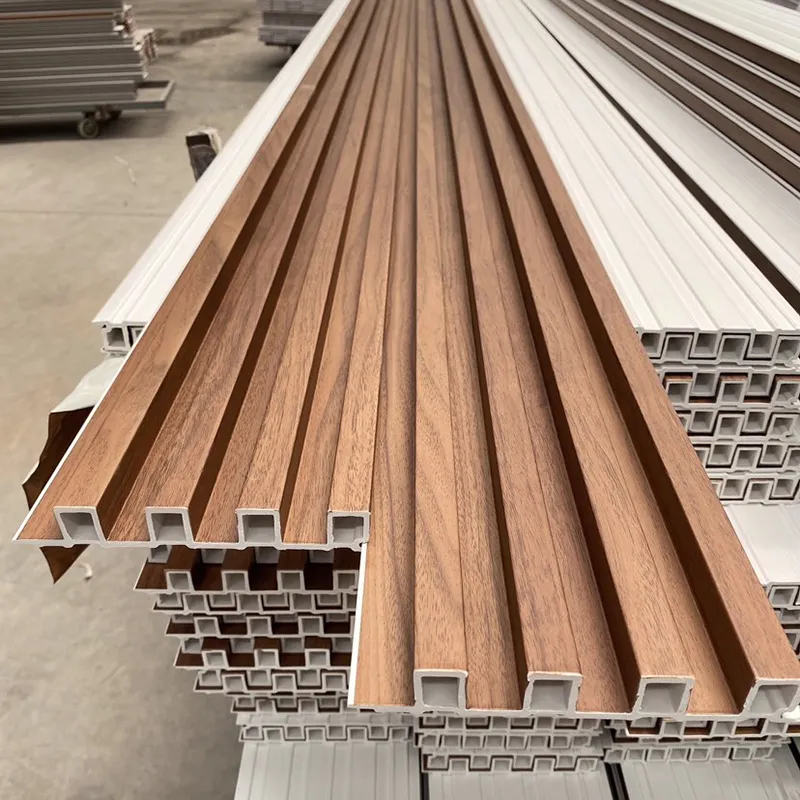
Figure 1: Cross-section of a typical WPC profile illustrating composite structure.
The Manufacturing Process of WPC Fence Panels for Sale
The production of high-quality wpc fence panels for sale is a sophisticated industrial process, typically involving extrusion or injection molding techniques. While distinct from metalworking processes like casting or CNC machining, WPC manufacturing also demands precision engineering and rigorous quality control to ensure uniform material properties and structural integrity.
Process Flow Overview:
- Material Preparation: Wood fibers are thoroughly dried to reduce moisture content, often to below 5%, to prevent blistering during processing. Plastic granules are also dried. Both are then blended with chemical additives in precise proportions in a high-speed mixer to ensure homogeneous distribution.
- Compounding & Pelletizing (Optional): For some manufacturers, the blended raw materials are first compounded and extruded into pellets. This step ensures an even more uniform mixture before final extrusion into profiles, enhancing consistency.
- Extrusion: The prepared compound (or pellets) is fed into a twin-screw extruder. Heat and shear forces melt the plastic and homogenize it with the wood fibers. The molten WPC mixture is then forced through a die, which shapes it into the desired fence panel profile (e.g., solid boards, hollow profiles). This is analogous to a continuous "casting" process for polymers.
- Cooling & Calibration: Immediately after extrusion, the hot WPC profile enters a vacuum calibration tank, where it is precisely cooled and sized to maintain dimensional stability. Water-cooling tanks further solidify the material.
- Haul-off & Cutting: A haul-off unit continuously pulls the cooled profile at a controlled speed. A cutting saw then cuts the continuous profile into specified lengths for fence panels.
- Surface Treatment & Finishing: Depending on product specifications, panels may undergo various surface treatments, such as sanding for a brushed wood grain effect, embossing for realistic textures, or co-extrusion for a protective cap layer.
- Quality Control & Packaging: Finished panels undergo rigorous testing to ensure they meet specified standards before packaging and dispatch.
Testing Standards & Quality Assurance:
Adherence to international standards is paramount for WPC products. Manufacturers typically comply with:
- ISO 9001: For quality management systems, ensuring consistent product quality.
- ASTM D7031/D7032: Standard specifications for WPC decking and fencing materials, covering physical and mechanical properties.
- EN 15534: European standard for WPC profiles, specifying requirements for moisture content, density, mechanical properties, and durability.
- UV Resistance Testing: Accelerated weathering tests (e.g., ASTM G154, ISO 4892) to simulate long-term exposure to sunlight and assess color fastness and material degradation.
- Fire Performance: Testing to standards like ASTM E84 or EN 13501-1 for flame spread and smoke development ratings.
These standards ensure the material's longevity and performance, often supporting a service life of 20-30 years with minimal maintenance.
Technical Specifications and Performance Parameters
The performance of WPC fence panels is quantified by several critical technical parameters, which are essential for engineers and project managers to consider. These specifications dictate suitability for specific applications and environmental conditions.
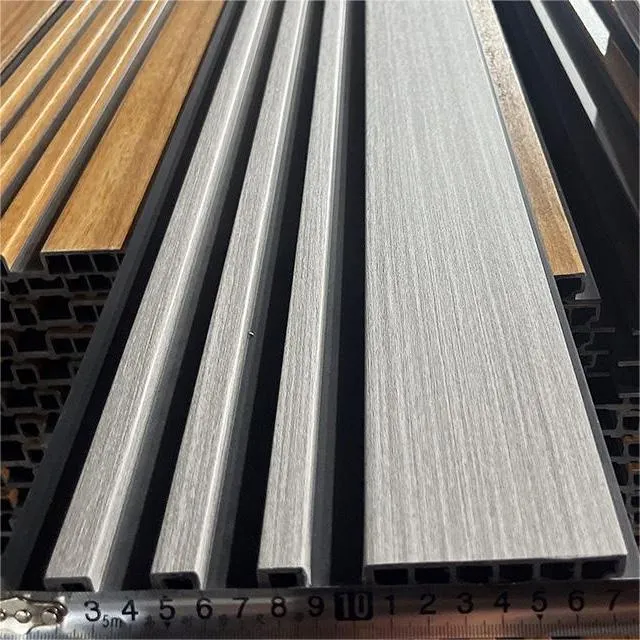
Figure 2: Detail of WPC panel surface texture, highlighting aesthetic quality.
Typical Product Specification Table for WPC Fence Panels:
| Parameter | Measurement Unit | Typical Value Range | Test Standard |
|---|---|---|---|
| Density | g/cm³ | 1.0 – 1.3 | ASTM D792 |
| Flexural Strength | MPa | 20 – 45 | ASTM D790 |
| Water Absorption (24hr) | % | 0.5 – 3.0 | ASTM D570 |
| Hardness (Shore D) | - | 60 – 80 | ASTM D2240 |
| Thermal Expansion Coefficient | (mm/m)/°C | 0.02 – 0.05 | Internal Method |
| UV Resistance (Color change ΔE) | - | < 3.0 (after 2000hrs QUV) | ASTM G154 |
| Working Temperature Range | °C | -30 to +60 | Manufacturer Spec |
These specifications highlight the material's robustness and suitability for demanding exterior environments. Low water absorption, high flexural strength, and excellent UV resistance are particularly critical for fence applications, ensuring long-term structural integrity and aesthetic retention.
Key Technical Advantages of WPC Fence Panels
The engineered composition of WPC panels confers a suite of technical advantages that position them as a superior choice over traditional materials. These benefits translate directly into reduced lifecycle costs and enhanced performance for a variety of projects.
- Exceptional Durability and Longevity: WPC panels are highly resistant to weathering, rot, decay, and insect infestation (e.g., termites). Unlike wood, they do not splinter, warp, or crack under extreme conditions, ensuring a service life often exceeding 20 years without significant degradation.
- Minimal Maintenance: A significant advantage for any large-scale application or homeowner, WPC requires no painting, staining, or sealing. Occasional cleaning with soap and water is sufficient to maintain its appearance. This drastically reduces ongoing labor and material costs. This is a crucial factor for wpc wall panel wholesalers who need to offer low-upkeep solutions.
- Superior Moisture and Corrosion Resistance: The plastic component encapsulates the wood fibers, making WPC highly impermeable to water. This prevents issues common with wood, such as swelling, mold growth, and fungal decay. It also makes WPC an excellent choice for environments with high humidity or exposure to moisture, mitigating the "corrosion" (decay) issues common with organic materials.
- UV Stability and Color Fastness: Integrated UV inhibitors minimize color fading and degradation from sun exposure, ensuring the panels retain their aesthetic appeal over decades, a common concern for exterior products like wall panel wpc.
- Environmental Sustainability: Made from recycled wood and plastic, WPC contributes to a circular economy, reducing demand for virgin timber and diverting plastic waste from landfills. This aligns with modern corporate social responsibility initiatives.
- Energy Efficiency in Lifecycle: While manufacturing involves energy, the long lifespan and extremely low maintenance requirements of WPC panels contribute to significant energy savings over their lifecycle compared to materials requiring frequent treatment, painting, or replacement.
Comparison with Traditional Fencing Materials:
| Feature | WPC Fence Panels | Natural Wood | Metal Fencing |
|---|---|---|---|
| Maintenance | Very Low (occasional cleaning) | High (staining, painting, repairs) | Moderate (painting, rust treatment) |
| Rot/Insect Resistance | Excellent | Poor (unless treated) | Excellent |
| Weathering Resistance | Excellent (UV stable, waterproof) | Moderate (prone to warping, fading) | Good (prone to rust) |
| Lifespan | 20-30+ years | 10-15 years (avg.) | 15-25 years (avg.) |
| Environmental Impact | Low (recycled content) | Variable (deforestation concern) | Moderate (mining, energy-intensive) |
| Cost (Lifecycle) | Low | High (due to maintenance) | Moderate |
Application Scenarios for WPC Fence Panels for Sale
The robust and aesthetic qualities of WPC make it suitable for a vast array of application scenarios, particularly where durability, privacy, and low maintenance are paramount. These panels are not only functional but also contribute significantly to the visual appeal of a property.
- Residential Perimeter Fencing: Providing privacy and security for homes, WPC fence panels offer a sophisticated look that enhances curb appeal. They are popular for backyards, front yards, and property line definitions due to their consistent appearance and lack of splinters.
- Commercial and Hospitality Projects: Used in resorts, hotels, restaurants, and office complexes for dividing spaces, creating private outdoor seating areas, or enclosing service areas. Their premium aesthetic and minimal upkeep are highly valued in these settings. The same material quality often extends to exterior wpc wall panel applications for commercial facades.
- Public Parks and Urban Landscaping: Ideal for public spaces requiring durable, vandal-resistant, and visually appealing barriers. WPC panels withstand heavy use and exposure to elements without deteriorating, making them a cost-effective choice for municipal projects.
- Swimming Pool Enclosures: Their inherent resistance to moisture and chemicals (like chlorine splash) makes WPC an excellent choice for pool fencing, providing safety and privacy without the concerns of rot or rust.
- Industrial and Utility Screening: While not for heavy industrial containment like petrochemical or metallurgy plants, WPC fences can be used for screening unsightly utility boxes, waste management areas, or service entrances in industrial parks and commercial zones, offering a clean, uniform look with corrosion resistance.
- Sound Barriers: The dense composition of WPC can offer moderate sound attenuation, making them suitable for low-level sound barrier applications along roadways or between properties.
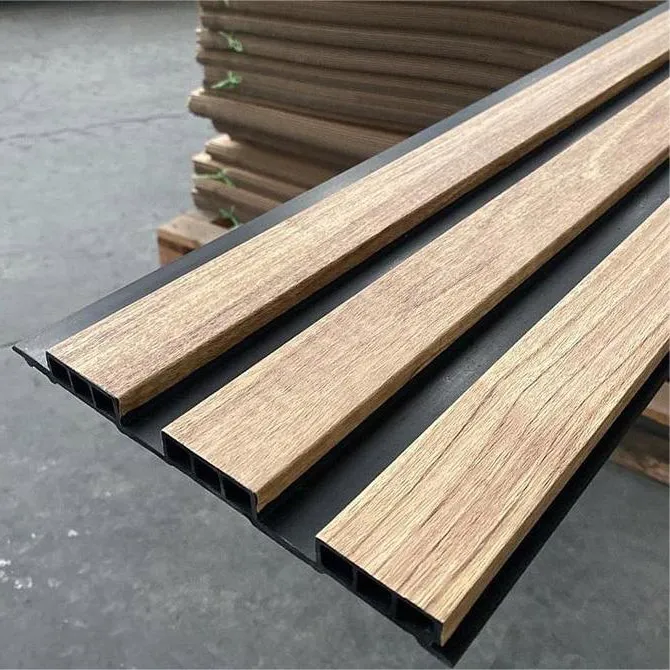
Figure 3: WPC fence panels seamlessly integrated into a modern residential landscape.
Vendor Comparison and Customized Solutions
Selecting the right supplier for wpc fence panels for sale is critical for project success and long-term satisfaction. Key factors for B2B decision-makers and engineers include product quality, certifications, customization capabilities, and post-sales support.
Criteria for Vendor Selection:
- Certifications and Compliance: Ensure the vendor adheres to international quality standards such as ISO 9001, and product-specific standards like ASTM or EN for WPC materials. This guarantees manufacturing consistency and material performance.
- Material Composition and Quality: Inquire about the ratio of wood to plastic, and the type of additives used. High-quality WPC often uses virgin or high-grade recycled plastics and superior UV stabilizers.
- Manufacturing Expertise: Vendors with extensive experience and modern production facilities (e.g., advanced extrusion lines, precision tooling) are more likely to deliver consistent, high-quality products.
- Warranty and Support: A comprehensive warranty indicates manufacturer confidence in their product. Evaluate lead times, logistics capabilities, and technical support.
- Reputation and Case Studies: Reviewing a vendor's portfolio of successful projects and client testimonials can provide insights into their reliability and product performance in real-world applications.
Customized Solutions:
Leading manufacturers understand that every project has unique requirements. Customization options for WPC fence panels include:
- Dimensions and Profiles: Tailored lengths, widths, and thicknesses to suit specific design aesthetics or structural needs. Manufacturers can also create bespoke hollow or solid profiles.
- Color Matching: Custom color formulations to match existing architectural elements or specific brand guidelines.
- Surface Textures: A range of finishes, including wood grain (deep embossed, brushed), smooth, or grooved surfaces, to achieve desired tactile and visual effects.
- Integrated Systems: Development of complete fencing systems that include custom posts, caps, and connection hardware, ensuring seamless installation and a cohesive look.
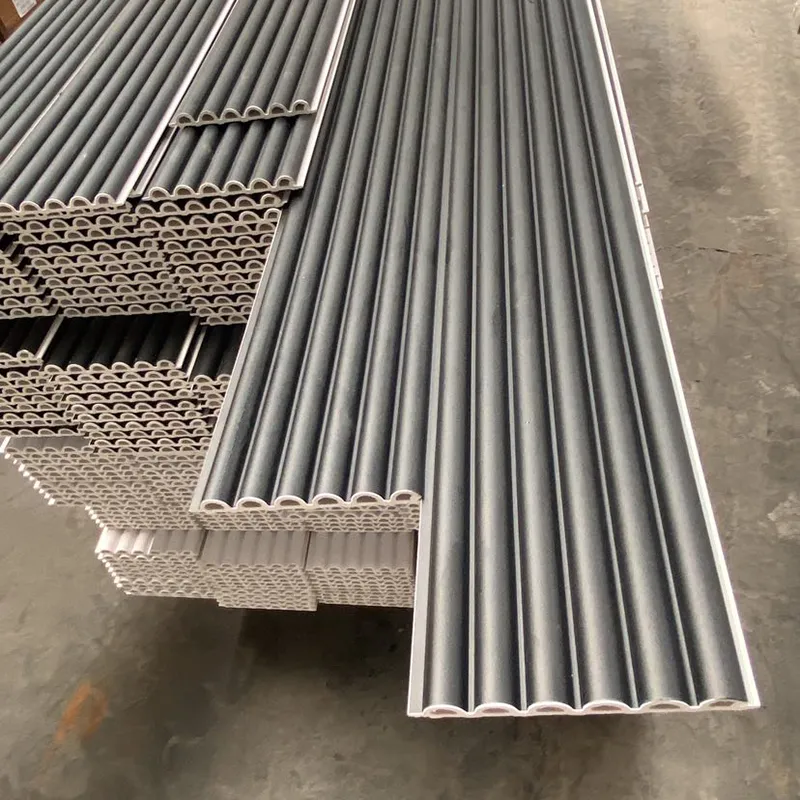
Figure 4: A range of WPC fence panel color and texture samples for customization.
Application Case Studies & Customer Experience
Real-world applications demonstrate the tangible benefits and reliability of WPC fence panels. These case studies highlight the successful deployment of WPC in diverse environments and showcase positive customer feedback.
Case Study 1: Luxury Coastal Residential Development
A high-end residential community located along a challenging coastal environment required a durable, aesthetically pleasing, and low-maintenance fencing solution. Traditional wood fences rapidly deteriorated due to salt spray, high humidity, and intense UV exposure, while metal options posed rust concerns. The developer opted for wpc fence panels for sale, specifically a co-extruded panel with enhanced UV and moisture resistance.
- Challenge: Extreme coastal weather, high maintenance requirements for existing fences.
- Solution: Installation of 1.8-meter-high WPC fence panels with a robust cap layer.
- Outcome: After five years, the WPC fences show minimal fading, no signs of rot or corrosion, and have required only occasional washing. Residents report high satisfaction with the privacy, appearance, and absence of maintenance.
Case Study 2: Urban Public Park Redevelopment
A major city council initiated the redevelopment of a dilapidated urban park, seeking sustainable and durable materials for perimeter fencing and internal area dividers. The criteria included robust construction, resistance to vandalism, and an environmentally friendly profile.
- Challenge: Need for high durability, low maintenance, and eco-friendly materials for high-traffic public areas.
- Solution: Implementation of heavy-duty WPC panels for the park's perimeter and decorative wpc wallpanel sections for garden beds.
- Outcome: The WPC fences provided a resilient barrier that withstands public interaction and weather. The panels' resistance to graffiti (easy to clean) and physical impact exceeded expectations, contributing to a significant reduction in maintenance costs compared to previous wooden fences.
Customer Feedback Snippet: "Our clients were initially hesitant about a composite material, but the performance and aesthetic quality of the WPC fence panels have been outstanding. The installation was straightforward, and the post-installation maintenance is virtually nonexistent. This has been a game-changer for our property management portfolio." – *Project Manager, Commercial Real Estate Firm.*
Trust & Support: Our Commitment to Clients
Building trust in the B2B sector requires more than just a superior product; it demands transparent processes, robust certifications, and unwavering customer support. Our commitment to quality and client satisfaction is integral to our operations, from manufacturing to after-sales service.
Certifications and Quality Assurance:
- ISO 9001:2015 Certified: Our manufacturing facilities adhere to strict international quality management standards, ensuring consistency and excellence in every batch of wpc fence panels for sale.
- CE Mark: Our products comply with European safety, health, and environmental protection requirements.
- Third-Party Test Reports: Independent laboratory tests verify our product's performance against industry standards for UV resistance, mechanical strength, and moisture absorption.
Warranty Commitments:
We stand by the quality of our WPC products with a comprehensive warranty against material defects, significant color fading, rotting, splitting, or splintering under normal use. Our standard product warranty typically spans 10-15 years, providing peace of mind for long-term investments. Specific warranty terms are provided with each order.
Lead Time and Fulfillment:
Understanding the critical nature of project timelines, we maintain efficient production schedules and robust logistics.
- Standard Orders: Typically 15-25 business days from order confirmation, depending on volume and customization.
- Customized Solutions: May require 25-40 business days, factoring in design, prototyping, and tooling.
- Logistics: We partner with trusted global freight carriers to ensure timely and secure delivery to your site, offering various shipping options including FOB, CIF, and DDP.
Dedicated Customer Support:
Our dedicated support team provides expert assistance from initial inquiry through project completion and beyond. This includes:
- Technical Consultation: Guidance on product selection, specifications, and installation best practices.
- Project Management Support: Assistance with order tracking, documentation, and coordination.
- After-Sales Service: Prompt handling of any warranty claims or performance inquiries.
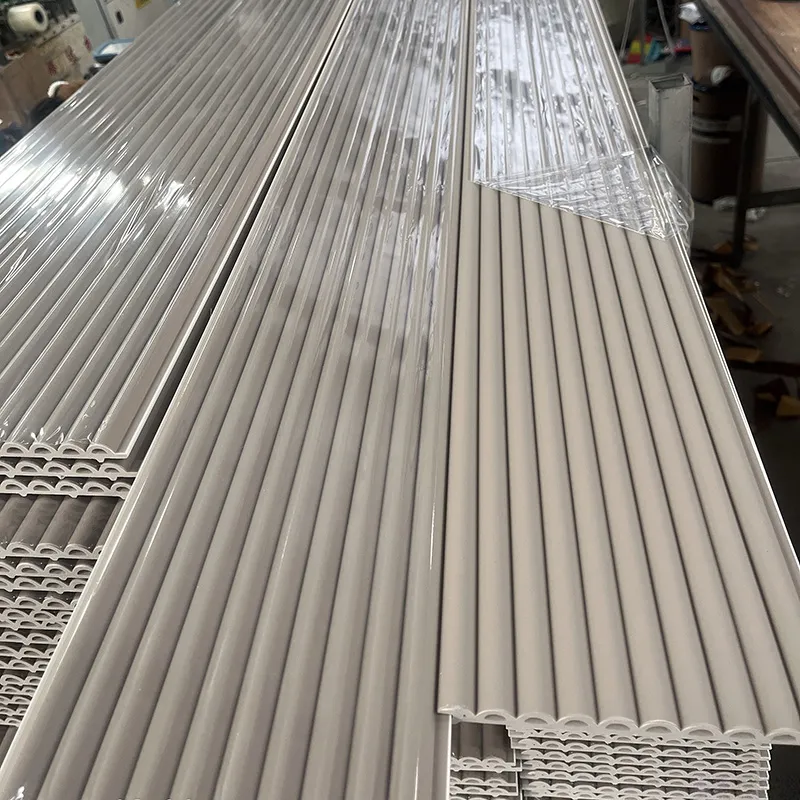
Figure 5: Quality assurance testing in a WPC manufacturing facility.
Frequently Asked Questions (FAQ) about WPC Fence Panels
Q1: How do WPC fence panels compare to traditional wood in terms of durability?
A1: WPC fence panels offer significantly superior durability compared to traditional wood. They are engineered to resist rot, decay, insect infestation (termites), and moisture damage, which are common issues with wood. WPC also resists warping, splitting, and splintering, often providing a service life of 20-30 years with minimal maintenance, far exceeding that of untreated timber.
Q2: Are WPC fence panels environmentally friendly?
A2: Yes, WPC products are considered environmentally friendly. They typically utilize recycled wood fibers and recycled plastics, diverting waste from landfills and reducing the demand for virgin timber. Their long lifespan and low maintenance requirements also contribute to a lower overall environmental footprint.
Q3: What kind of maintenance do WPC fence panels require?
A3: One of the key advantages of WPC is its low maintenance. It does not require painting, staining, or sealing. Occasional cleaning with soap and water, or a pressure washer on a low setting, is generally sufficient to keep the panels looking new. This minimal upkeep significantly reduces long-term costs and effort.
Q4: Can WPC fence panels be customized for specific project needs?
A4: Absolutely. Reputable manufacturers offer extensive customization options, including varying dimensions (length, width, thickness), diverse color palettes, and a range of surface textures (e.g., brushed, embossed wood grain, smooth). Custom profiles and integrated system components can also be developed to match unique architectural or design requirements.
Q5: What are the typical lead times for an order of wpc fence panels for sale?
A5: Lead times vary based on the order volume and customization requirements. Standard orders typically range from 15 to 25 business days. More complex or highly customized projects may require 25 to 40 business days. We recommend consulting with our sales team for precise lead time estimates based on your specific needs.
Conclusion: The Future of Fencing is Composite
As urban development and sustainable design principles continue to shape the construction industry, the demand for advanced materials like WPC is set to escalate. WPC fence panels for sale represent a paradigm shift from traditional fencing solutions, offering an unparalleled combination of durability, low maintenance, aesthetic versatility, and environmental responsibility. For B2B decision-makers and engineers, investing in WPC means choosing a product that delivers long-term value, reduces lifecycle costs, and aligns with modern ecological imperatives. The technical superiority and proven performance of WPC make it the material of choice for discerning projects across residential, commercial, and public sectors, ensuring robust and beautiful installations for decades to come.
References
- American Society for Testing and Materials (ASTM) International. "ASTM D7031 - Standard Guide for Evaluating Mechanical and Physical Properties of Wood-Plastic Composite Products." www.astm.org
- International Organization for Standardization (ISO). "ISO 9001:2015 - Quality management systems — Requirements." www.iso.org
- European Committee for Standardization (CEN). "EN 15534 - Wood-plastic composites (WPC) - Specifications for WPC profiles and panels." www.cen.eu
- The Wood Plastic Composite Market: Growth, Trends, Forecasts. ResearchAndMarkets.com.
- "Life Cycle Assessment of Wood-Plastic Composites." Journal of Cleaner Production, Elsevier.
-
 Ultimate Guide to Durable Waterproof SPC Vinyl Flooring StyleWhen renovating a modern home or commercial space, the flooring choice often defines the entire atmosphere. waterproof spc vinyl flooring has emerged as a revolutionary solution for those who refuse to compromise between aesthetic elegance and rugged performance. Standing for Stone Plastic Composite, SPC flooring is engineered to withstand the toughest environments, from moisture-prone bathrooms to high-traffic living rooms. In this comprehensive guide, we will explore why this material is dominating the interior design market and how it can transform your space into a sanctuary of style and resilience.Read More >
Apr 16 2026
-
 Ultimate Guide to Durable Waterproof SPC Rigid Core Vinyl FlooringChoosing the right flooring for a modern home or commercial space requires a balance between aesthetics and endurance. waterproof spc rigid core vinyl has emerged as a game-changer in the interior design world, offering the timeless look of hardwood with the unmatched resilience of stone polymer composite. Whether you are dealing with high-traffic hallways, moisture-prone bathrooms, or pet-friendly living rooms, this flooring solution provides a stable, waterproof, and scratch-resistant surface. In this comprehensive guide, we will explore why this innovative material is replacing traditional laminate and luxury vinyl planks in contemporary construction.Read More >
Apr 09 2026
-
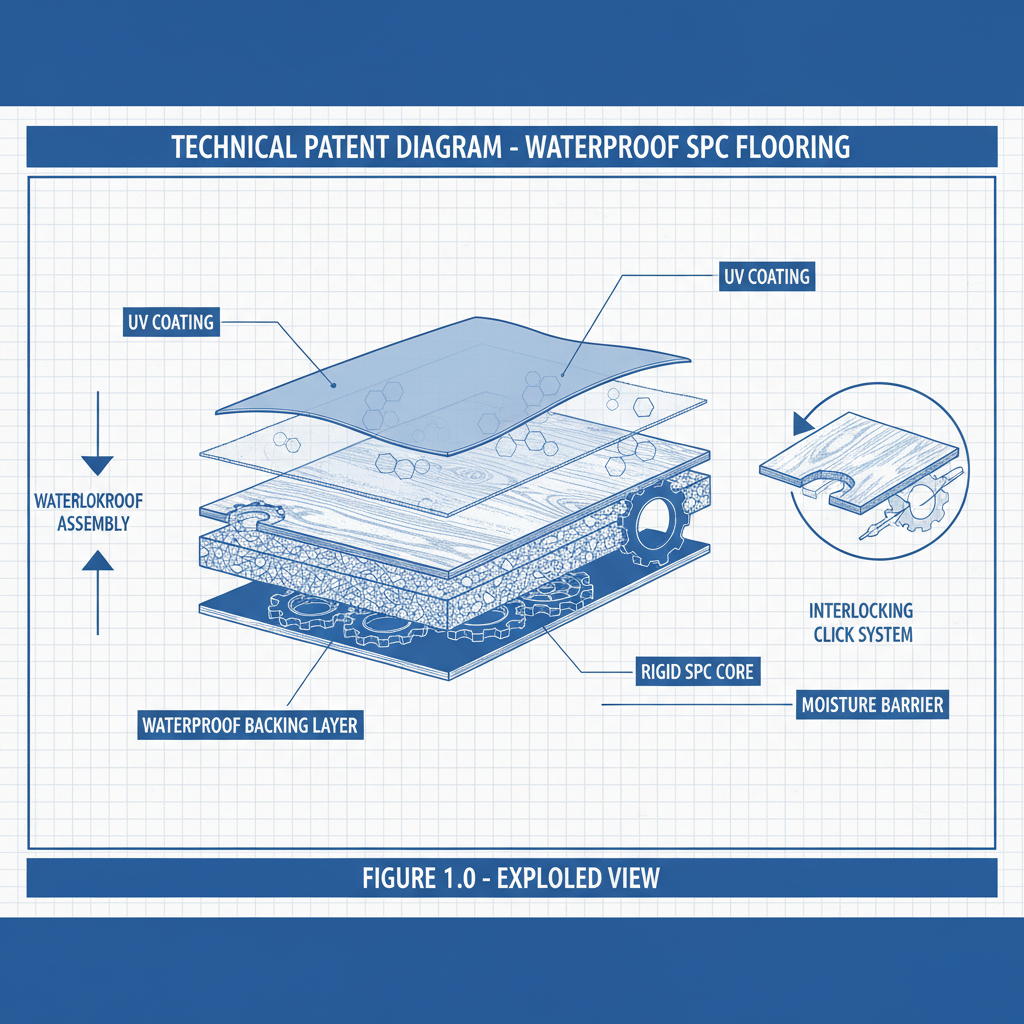 Comprehensive Guide to Waterproof SPC Flooring Durability and InstallationChoosing the right flooring for your home or business is a significant decision. Waterproof SPC flooring has emerged as a popular option due to its durability, affordability, and ease of installation. This article provides an in-depth look at waterproof SPC flooring, covering its benefits, installation process, maintenance, and comparisons with other flooring types. Understanding these aspects will help you determine if SPC flooring is the right choice for your project.Read More >
Apr 07 2026
-
 Discover the Durability and Style of Vinyl SPC Rigid Flooring SolutionsLooking for a durable, waterproof, and stylish flooring solution? Vinyl SPC rigid flooring is quickly becoming the go-to choice for homeowners and businesses alike. This article provides a comprehensive overview of this innovative flooring type, covering its benefits, installation, maintenance, and more. We’ll help you determine if SPC rigid vinyl flooring is the right fit for your project.Read More >
Apr 04 2026
-
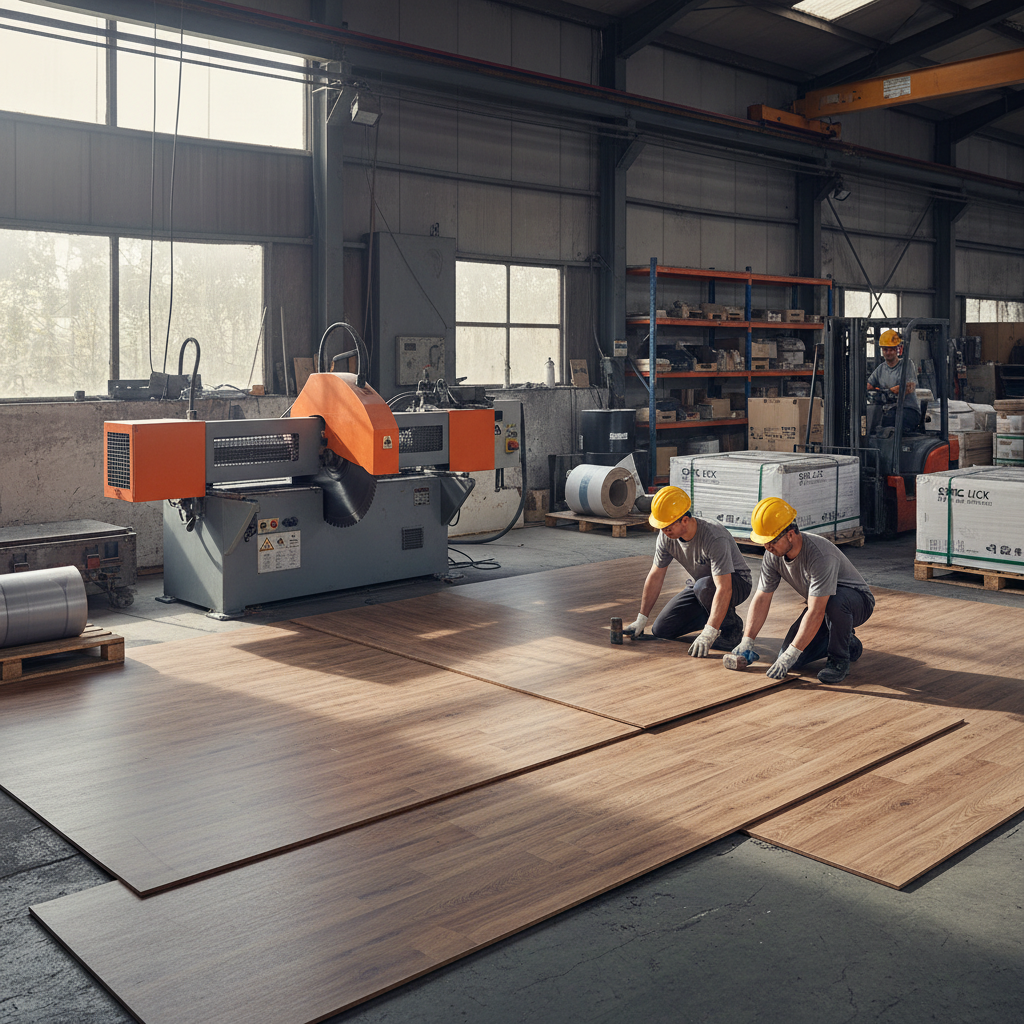 Comprehensive Guide to Durable Vinyl SPC Click Flooring Options and BenefitsChoosing the right flooring for your home or business is a significant decision. Vinyl SPC click flooring has emerged as a popular and durable option, offering a blend of aesthetic appeal and practical benefits. This article will explore the key features, advantages, installation process, and applications of SPC flooring, helping you determine if it's the right choice for your project. From its waterproof nature to its ease of installation, we'll cover everything you need to know.Read More >
Mar 31 2026
 +86 31185293045
  qian@ss711.com

Shijiazhuang Sothink trading Co., LTD.
Our company focuses on product development, production, sales and other all-round services, and is committed to providing customers with high-performance products and high-quality services.